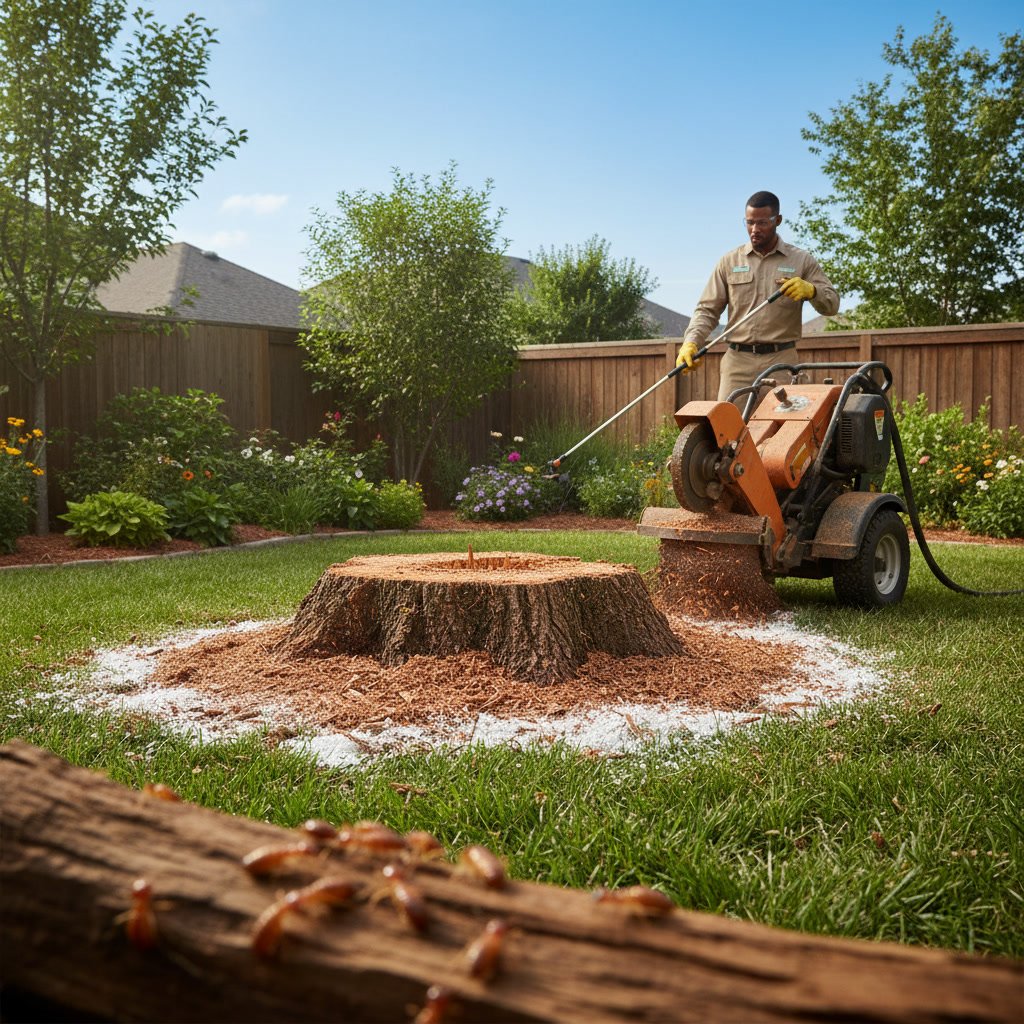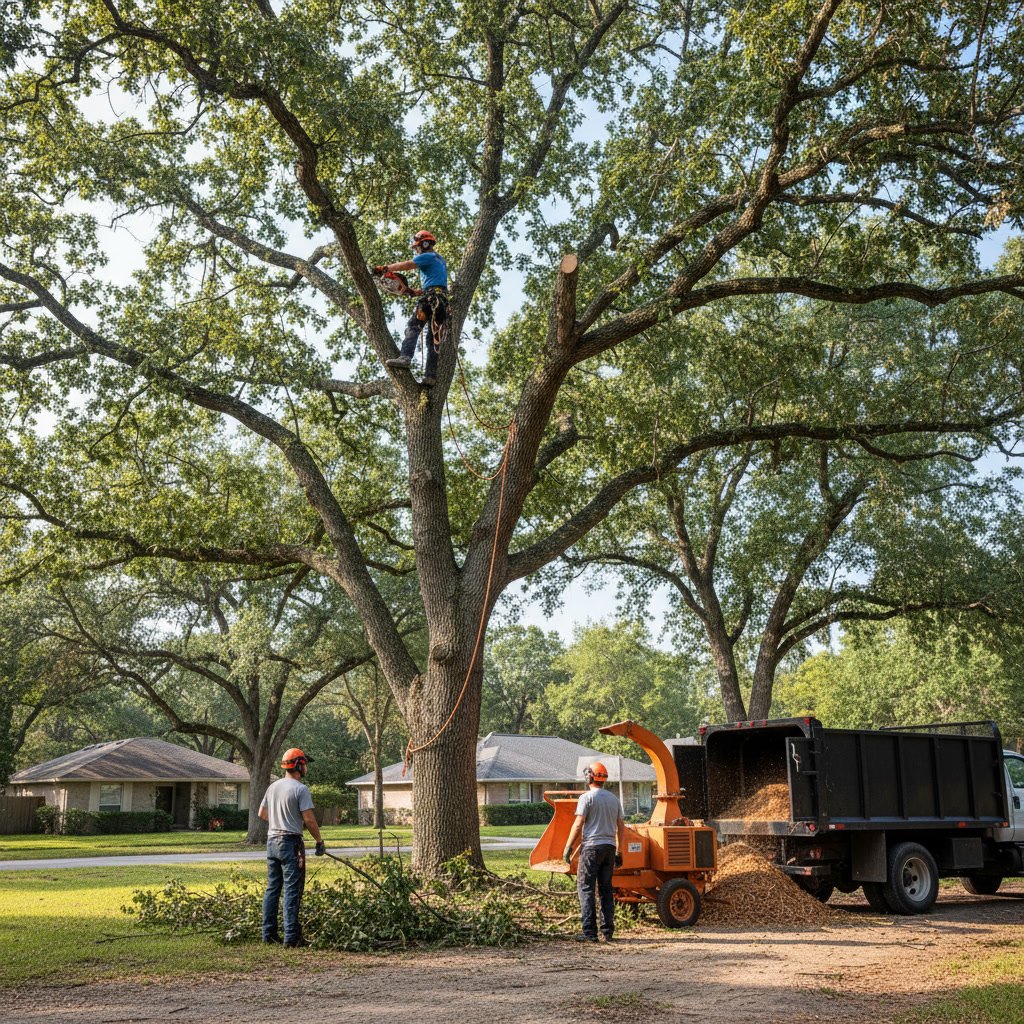
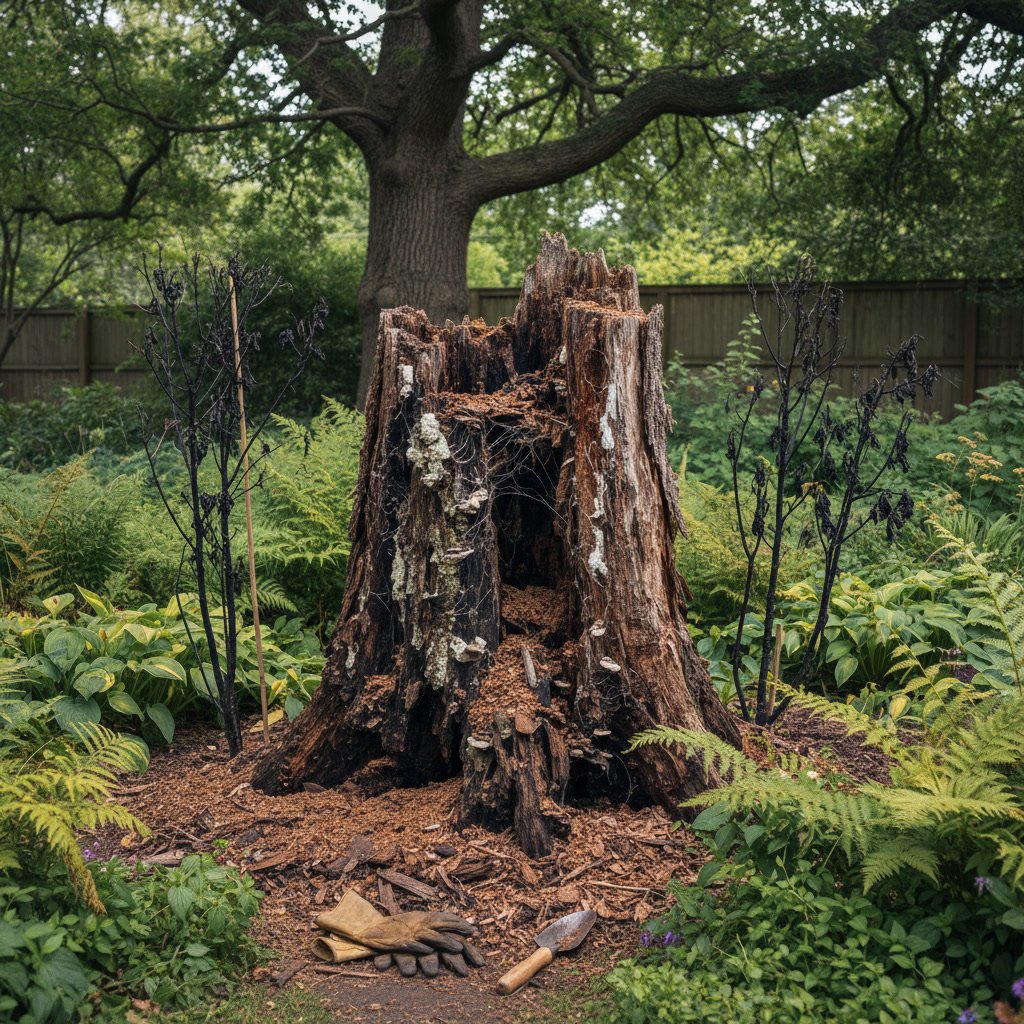
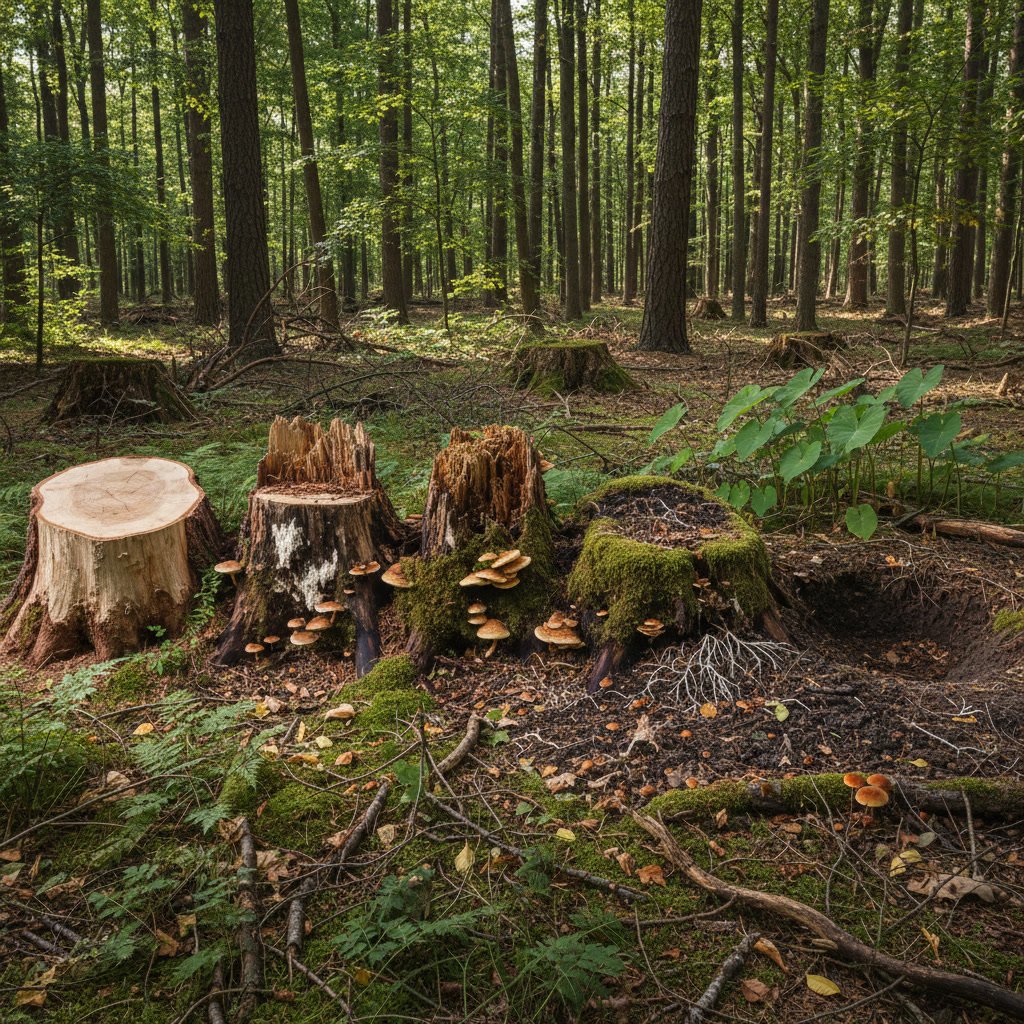
Rotting tree stumps display visible fungal growth, soft spongy wood that crumbles easily, strong musty odors, and insect activity including termites and carpenter ants. These tree stump rotting signs indicate active decay that can spread harmful pathogens to nearby plants through interconnected root systems. If you notice nearby plants wilting, developing root rot, or showing unexplained decline despite proper care, the culprit may be a decomposing stump releasing disease organisms into the surrounding soil.
Why Tree Stumps Decay After Removal
When you cut down a tree, the stump left behind no longer receives nutrients from leaves through photosynthesis. The wood tissue begins to die, creating ideal conditions for fungi, bacteria, and insects that feed on dead organic matter. Unlike a living tree that can defend itself with sap and chemical compounds, a dead stump has no immune system.
Moisture trapped in the stump accelerates decomposition. Rain pools in crevices, and the porous wood acts like a sponge. This damp environment becomes a breeding ground for wood-decay fungi that break down cellulose and lignin, the structural components that give wood its strength.
Fungal Growth Signals Active Decomposition
One of the most visible indicators of a rotting stump is fungal growth. You might see mushrooms sprouting from the wood surface or at the base, ranging from small clusters to large shelf fungi attached to the sides. These fruiting bodies represent only a fraction of the fungal network, most of which grows invisibly inside the wood and throughout the soil.
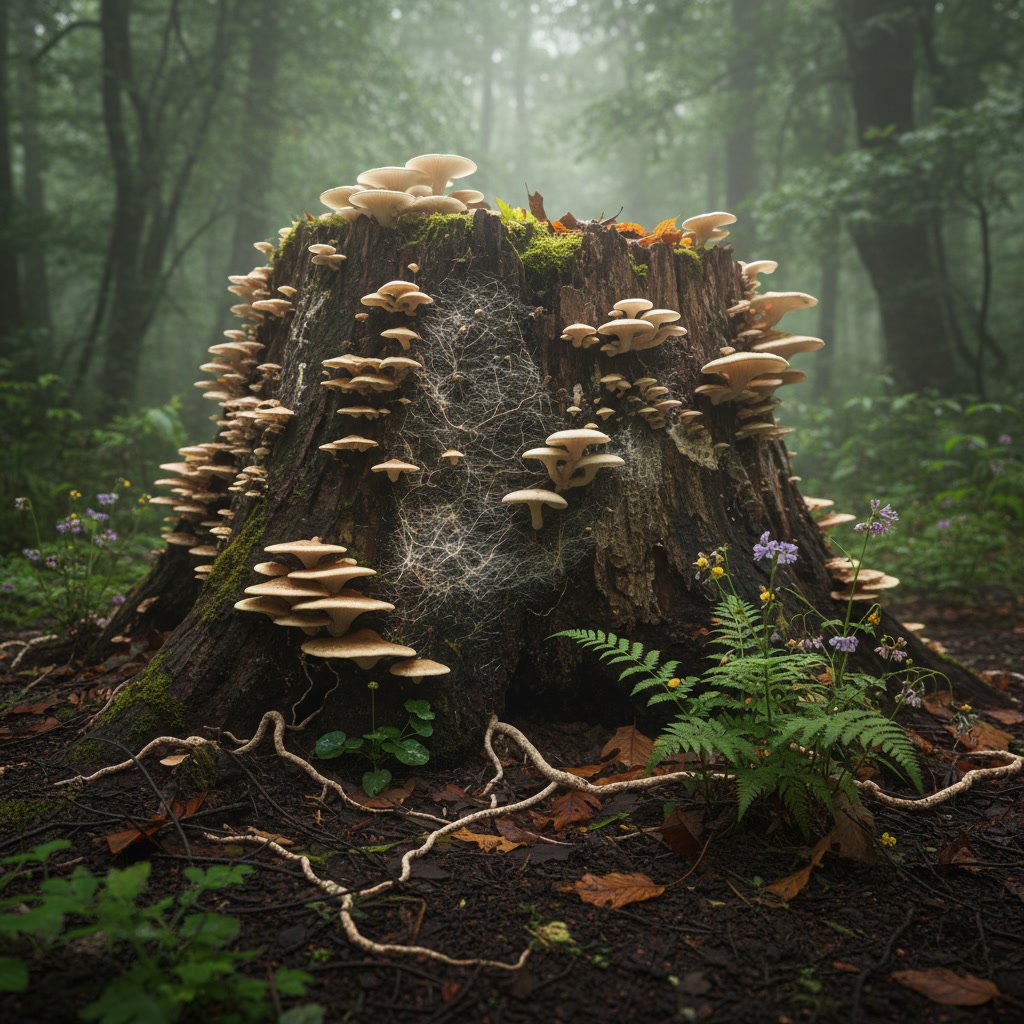
Common fungi found on rotting stumps include honey fungus, which produces golden-brown mushrooms, and artist’s conk, which creates hard, shelf-like growths. Honey fungus is particularly aggressive and can spread through the soil via root-like structures called rhizomorphs, infecting healthy trees and shrubs up to 30 feet away.
If you spot white, thread-like mycelium covering portions of the stump, decay is well underway. The wood beneath these areas will feel noticeably softer than surrounding tissue.
Physical Changes in Wood Texture and Appearance in Westminster Properties
Healthy wood is firm and solid. Rotting wood becomes soft, spongy, and easy to penetrate with a screwdriver or even your finger. Press against various spots on the stump. If the wood gives way easily or crumbles into powder, extensive decay has occurred.
The color of rotting wood changes dramatically. Fresh-cut stumps show natural wood tones, but as decay progresses, you’ll notice darkening to deep brown or black. Some types of rot produce a bleached, white appearance where fungi have consumed the lignin that gives wood its color.
Cracks and fissures widen as the wood loses structural integrity. Large sections may separate entirely, and the bark often peels away in sheets. These openings provide entry points for additional moisture and insects, further accelerating breakdown.
Odor as a Diagnostic Tool
Your nose provides valuable information about stump condition. Fresh wood has a clean, earthy smell. Rotting wood produces a distinctly unpleasant, musty odor similar to mildew or wet cardboard. This smell comes from volatile organic compounds released during fungal decomposition.
In advanced stages of decay, the odor intensifies and may smell sour or like fermenting vegetation. If you detect these scents near a stump, especially after rain when moisture levels are high, significant rot has developed inside even if the exterior looks relatively intact.
Insect Activity and Wood-Boring Pests
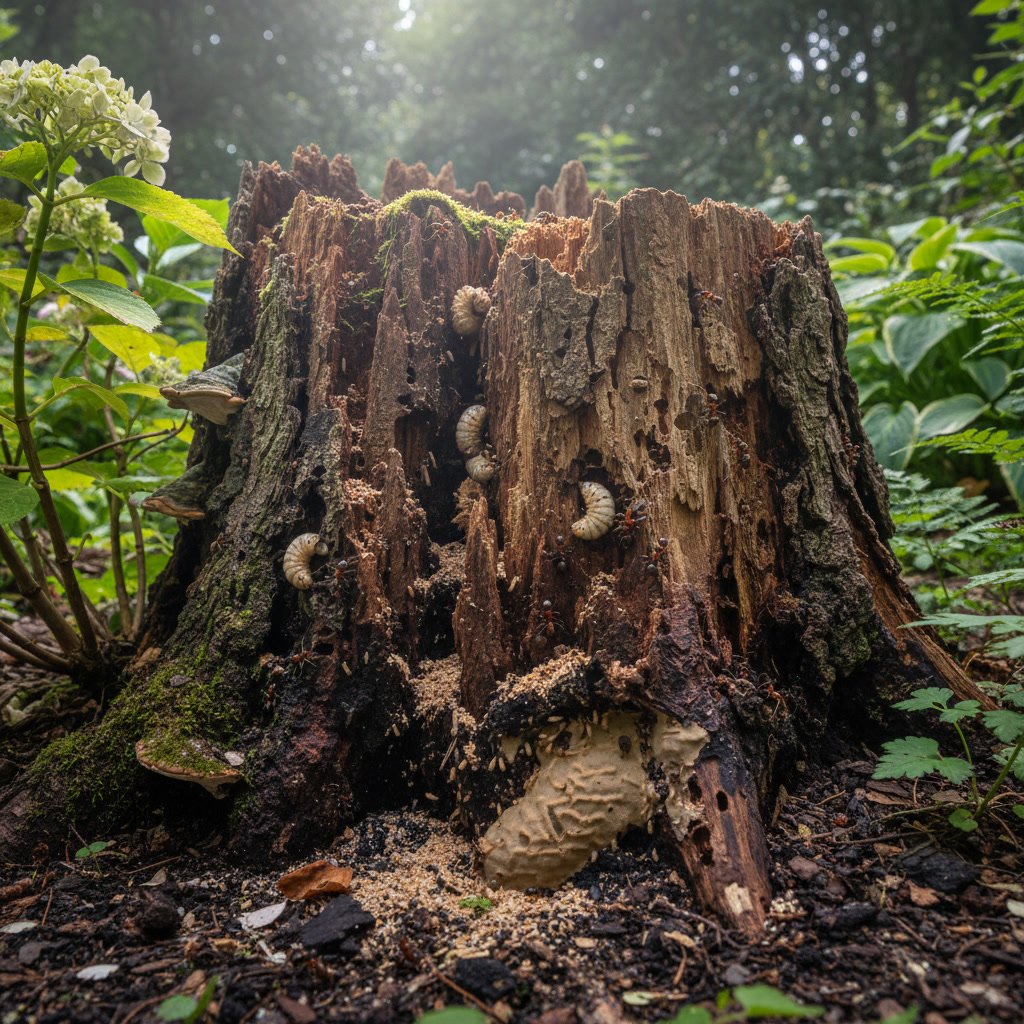
Decaying stumps attract numerous insects. Termites find rotting wood irresistible because it’s softer and easier to consume than healthy timber. If you see mud tubes running up the stump’s surface or find winged termites nearby during spring and summer, a colony has likely established itself.
Carpenter ants excavate galleries in softened wood to build nests. Look for small piles of sawdust-like material called frass near the stump base. These piles indicate active tunneling. While carpenter ants don’t actually eat wood like termites, their presence confirms the wood has softened enough for excavation.
Beetles, including powder post beetles and wood borers, lay eggs in dead wood. Their larvae tunnel through the interior, creating networks of channels. Small holes on the stump surface, about the diameter of a pencil lead, mark exit points where adult beetles emerged.
How Decay Spreads Through Soil and Root Systems
The most serious concern with rotting stumps isn’t the stump itself but the invisible threat below ground. Tree roots don’t immediately die when you cut down a tree. Some roots may persist for months or even years, slowly decomposing. During this time, pathogens from the rotting stump travel through connected root tissue.
Root grafting, where roots from different trees fuse together underground, creates pathways for disease transmission. A fungus colonizing your stump can migrate through these connections to healthy trees 20 to 40 feet away. This is especially common among trees of the same species planted close together.
Armillaria root rot, caused by honey fungus, spreads specifically through this mechanism. Once established in a stump, it sends out rhizomorphs that grow through soil, seeking new host plants. These rhizomorphs can persist for years, making professional stump removal the only reliable way to eliminate the threat.
Warning Signs in Surrounding Plants and Landscape
Pay attention to plants growing within 30 feet of an old stump. Yellowing leaves, wilting despite adequate water, stunted growth, and premature leaf drop can all indicate root infection from stump-borne pathogens. Shrubs and perennials are particularly vulnerable because their root systems occupy the same soil depth as decomposing stump roots.
Trees showing decline on one side, especially the side nearest the stump, may be fighting infection spreading through the root zone. Mushrooms appearing at the base of a seemingly healthy tree suggest the fungus has already colonized its roots.
Soil near a rotting stump may appear darker and wetter than surrounding areas, even during dry periods. This happens because decaying wood releases moisture and changes soil structure, affecting drainage patterns. Poor drainage combined with fungal contamination creates conditions where root rot diseases thrive.
Timeline of Stump Decomposition and Risk Periods
Stump rot doesn’t happen overnight. The timeline varies based on tree species, stump size, climate, and soil conditions. Softwood stumps from pine or fir begin showing decay within six months to a year. Hardwood stumps from oak, maple, or hickory may take two to five years to significantly decompose.
The highest risk period for disease spread occurs during the first two to three years after tree removal. During this window, the stump retains enough structure to harbor large fungal colonies while the roots remain partially viable as transmission pathways. Understanding cost factors and timing can help you plan, as detailed in resources about stump grinding expenses.
After five to seven years, most stumps have decomposed to the point where they collapse into the soil. However, the pathogens they introduced may persist indefinitely, continuing to threaten new plantings in contaminated soil.
Comparing Natural Decay Versus Professional Removal
Some homeowners choose to let stumps rot naturally, believing nature will handle the problem. While stumps do eventually decompose, this passive approach carries significant risks. Natural decay takes years, during which the stump harbors pests, spreads disease, and occupies valuable landscape space.
Professional stump grinding removes the visible portion down to 6 to 12 inches below ground level within hours. This eliminates the food source for fungi and insects, halts disease spread, and allows you to replant immediately. The wood chips produced during grinding can be used as mulch or removed entirely.
Chemical stump removers accelerate decomposition by increasing wood porosity, but they still require months to work and don’t prevent disease transmission during that period. They also introduce chemicals into your soil that may affect nearby plants.
Complete stump extraction, where the entire stump and major roots are pulled from the ground, offers the most thorough solution but requires heavy equipment and leaves a large hole requiring backfill. For properties with multiple stumps or those preparing land for construction, comprehensive land clearing services provide efficient solutions.
Expert Assessment and Treatment Options
If you suspect stump rot is affecting your landscape, professional assessment identifies the extent of the problem. Arborists can inspect not just the visible stump but also probe the soil and examine nearby plants for infection symptoms. They may take soil samples to test for specific pathogens.
Early intervention prevents minor problems from becoming landscape-wide disasters. A single infected stump discovered and removed promptly protects dozens of surrounding plants. Delay allows fungal networks to establish throughout your property, requiring years of management and potentially the loss of mature trees.
Professional tree care services offer treatments beyond basic removal. Root barrier installation prevents pathogen spread through soil. Fungicide applications to surrounding trees create protective zones. Soil amendments restore healthy microbial balance after contaminated material is removed.
Protecting Your Landscape Investment
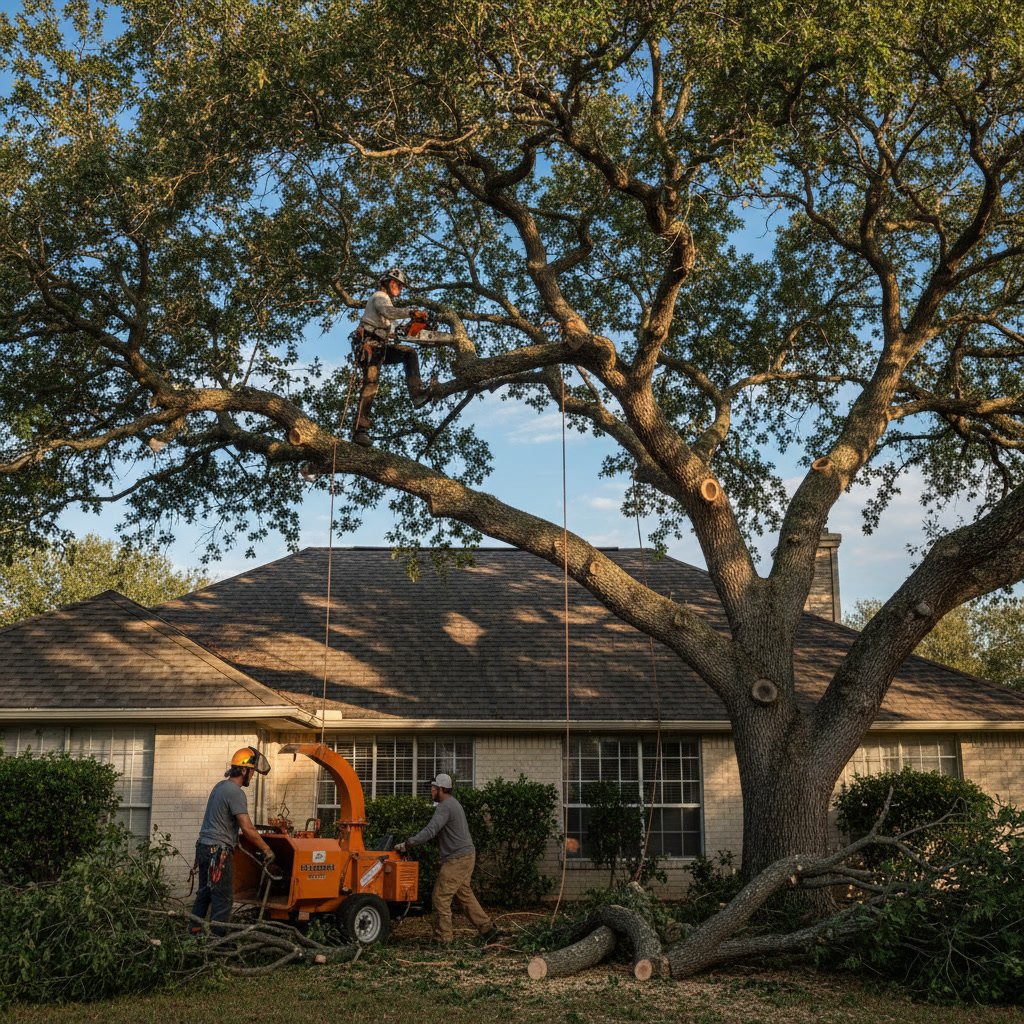
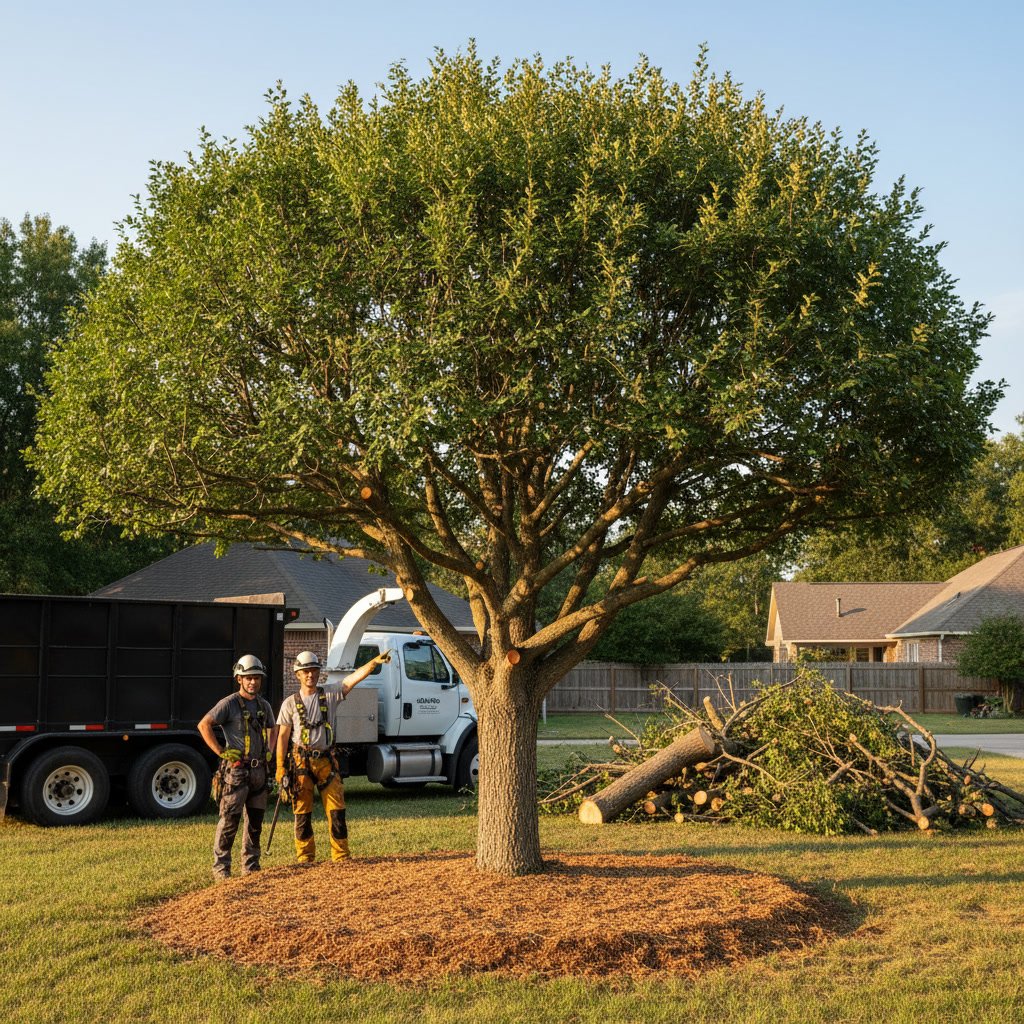
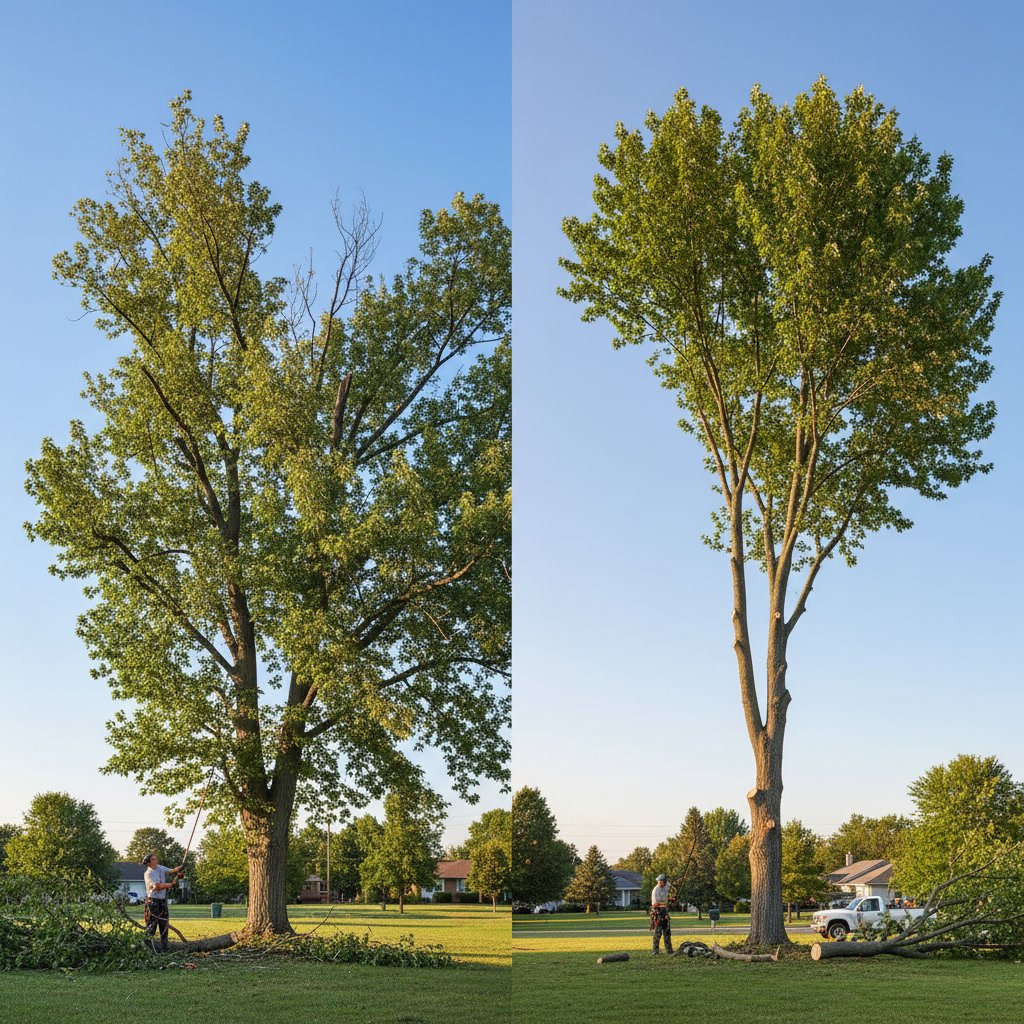
Your trees and landscaping represent a significant investment in property value and environmental quality. A mature tree can add thousands of dollars to property worth, while a diseased landscape detracts from curb appeal and creates ongoing maintenance headaches. Proper tree care, including regular tree trimming, maintains plant health and reduces disease risk.
Addressing rotting stumps quickly preserves this investment. The cost of stump removal is minimal compared to replacing multiple trees and shrubs lost to preventable disease. Prevention always costs less than cure in arboriculture.
Regular property inspections help you catch problems early. Walk your landscape every few months, looking for the warning signs discussed above. Document changes with photos so you can track progression. When you notice concerning symptoms, act quickly.
If you’ve identified tree stump rotting signs on your property or noticed declining health in nearby plants, addressing the issue promptly protects your entire landscape from spreading decay. Professional assessment determines the extent of the problem and the most effective removal strategy for your specific situation. Abba Chief Tree Service provides comprehensive stump removal throughout Carroll County, helping property owners eliminate hidden threats before they cause widespread damage. Contact our team at +14435367420 to schedule an evaluation and protect your landscape investment.