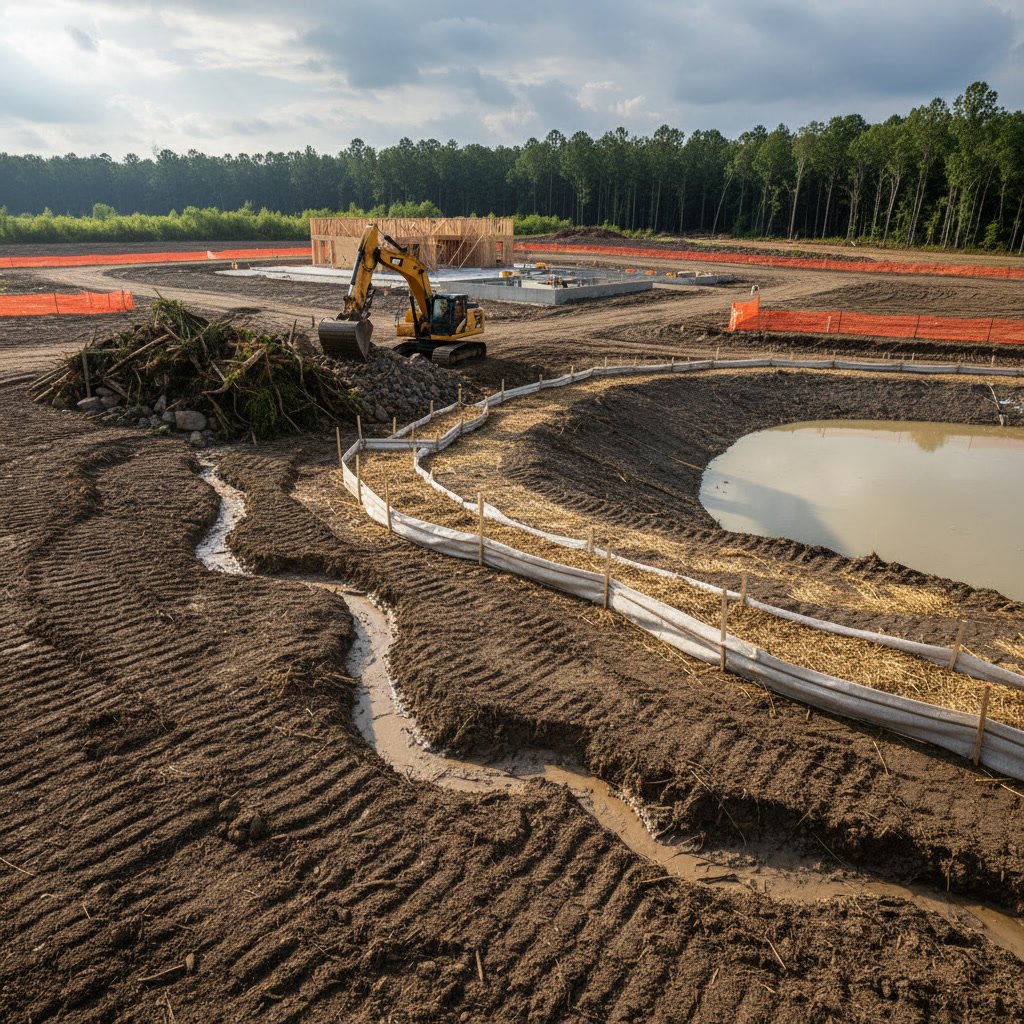
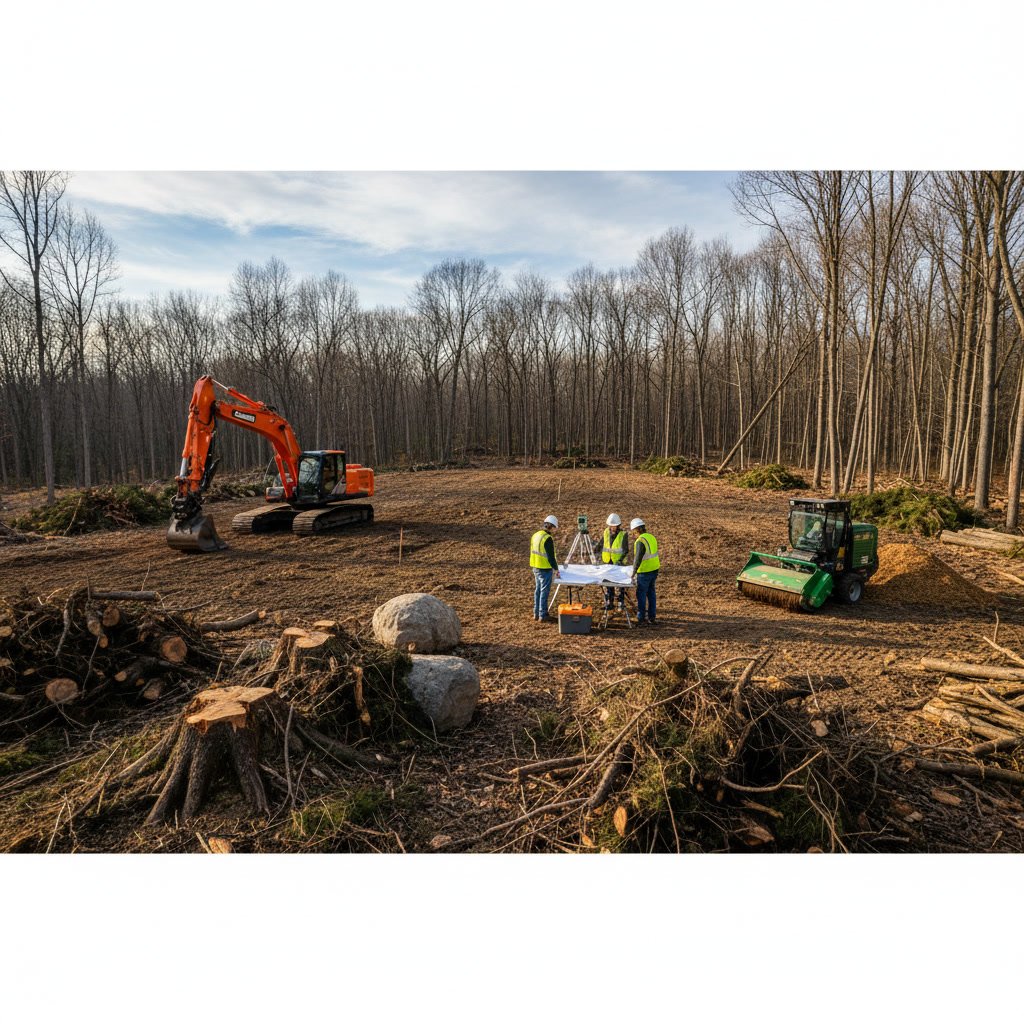
Most building permits are denied or delayed because properties fail to meet local land clearing building codes before construction begins. Local ordinances in Carroll County require specific setbacks, vegetation removal, and site preparation standards that vary by zone. When your property shows overgrown vegetation within required setbacks, unstable trees near proposed structures, or dense undergrowth that prevents proper surveying, you likely need professional clearing before breaking ground.
Property owners planning construction or improvement projects frequently discover compliance gaps during the permit application phase. Recognizing the warning signs early allows you to address clearing needs proactively rather than scrambling to meet inspector demands mid-project.
Understanding Local Ordinances That Trigger Clearing Requirements
Carroll County and surrounding jurisdictions enforce distinct regulations governing tree removal, vegetation management, and site preparation. Zoning classifications determine setback distances from property lines, which often require clearing all vegetation within specific zones. Residential zones typically mandate 10 to 25 feet of cleared space from structures, while commercial properties face stricter requirements.
Fire safety codes add another layer of requirements, especially in areas designated as wildland-urban interface zones. Properties near woodland edges must maintain defensible space by removing dead wood, thinning dense stands, and clearing brush within prescribed distances from buildings. These requirements apply whether you’re constructing new buildings or renovating existing structures.
Excessive Vegetation Within Required Setback Zones
Overgrown trees, shrubs, and brush within mandated setback areas represent the most common code violation property owners encounter. Building inspectors measure these setbacks precisely, and even attractive landscaping can trigger violations if it encroaches on required clearance zones. When mature trees or dense hedgerows occupy space designated for clearance, you’ll need professional land clearing before permits can be issued.
Setback violations become particularly problematic when the encroaching vegetation includes protected species or historic trees. In these cases, you may need variance approvals or alternative site plans, but the underlying clearing requirement remains. Surveyors and inspectors document these issues during initial assessments, and addressing them early prevents expensive project delays.
Unstable or Hazardous Trees Near Construction Zones in Westminster
Dead, diseased, or structurally compromised trees within or adjacent to construction areas present both safety hazards and code compliance issues. Building inspectors routinely flag trees with visible decay, significant lean, or root damage that could endanger workers or structures. Properties in Westminster and throughout Carroll County often contain aging trees that require assessment before construction can proceed.
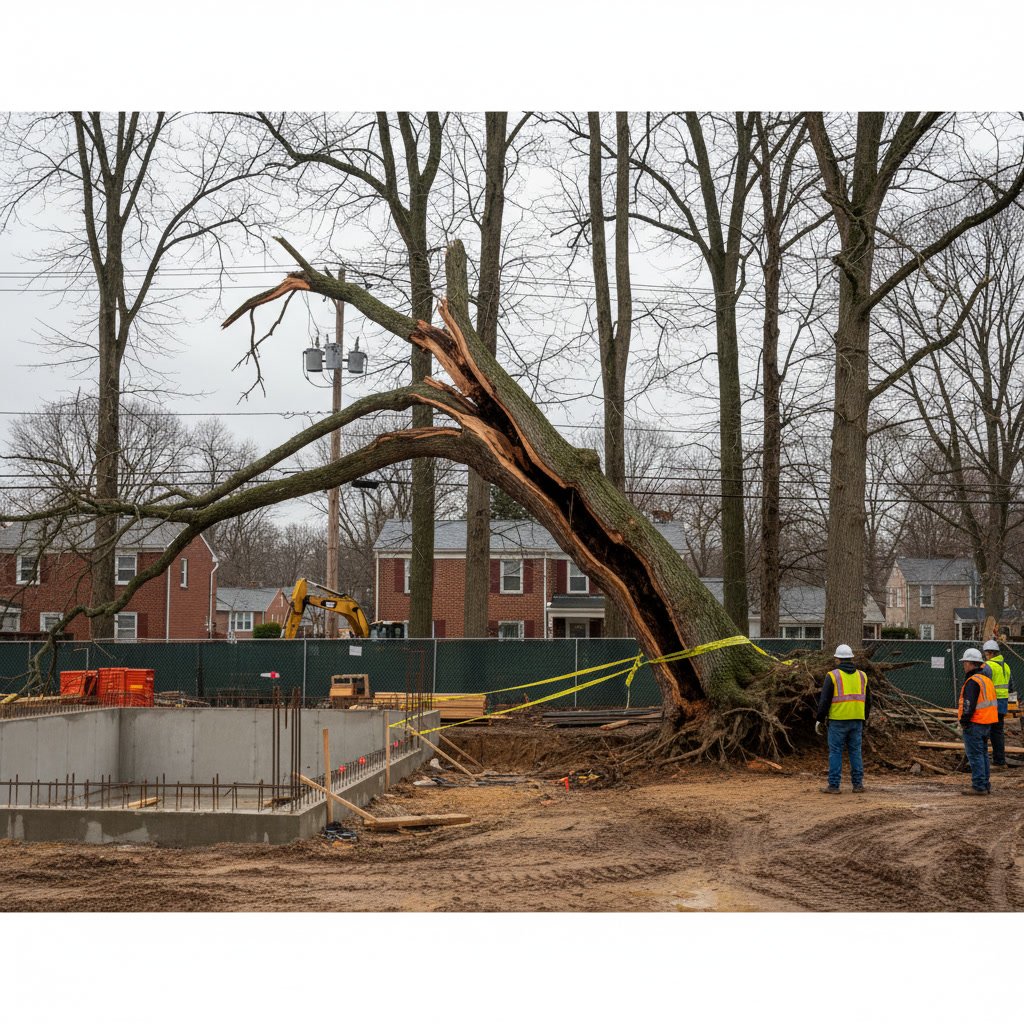
Trees showing signs of internal rot, large cavities, or fungal growth at the base pose particular concerns. Even if these trees stand outside immediate construction zones, their potential to fall during storms makes them targets for mandatory removal. Insurance companies and liability considerations often align with code requirements, making early removal the prudent choice.
Dense Undergrowth Preventing Accurate Property Surveys
Surveyors cannot establish precise property boundaries, topographic features, or grading plans when thick undergrowth obscures the ground plane. Building permits require accurate surveys showing existing conditions, proposed improvements, and confirmation that setbacks will be met. When dense vegetation prevents survey crews from accessing and measuring your property, clearing becomes a prerequisite to obtaining permits.
This issue extends beyond simple bushes and shrubs. Properties with invasive species like multiflora rose, autumn olive, or honeysuckle often need extensive clearing before survey work can begin. The cost of survey delays typically exceeds the investment in strategic clearing, making early action financially sensible. For guidance on when professional clearing becomes necessary, understanding the scope of clearing services helps property owners make informed decisions.
Drainage and Grading Issues Caused by Vegetation
Building codes mandate proper drainage to prevent water accumulation near structures and protect neighboring properties from runoff. Vegetation patterns that channel water incorrectly or create ponding issues must be addressed before construction. Tree roots, dense ground cover, and accumulated leaf litter can alter natural drainage patterns, creating code violations even on previously approved sites.
Engineers and inspectors evaluate drainage plans based on bare-earth grading, not existing vegetation. When your property’s drainage depends on vegetation absorption rather than proper slope and engineered systems, you’ll need clearing and regrading to meet code. This becomes especially critical in areas like Eldersburg and Sykesville, where clay soils and elevation changes create complex drainage challenges.
Fire Code Violations From Accumulated Deadwood and Debris
Fire marshals enforce strict requirements for combustible material management, particularly on properties near wooded areas. Accumulated fallen branches, dead standing trees, brush piles, and leaf litter create fire hazards that violate safety codes. Properties seeking occupancy permits or building approvals must demonstrate compliance with these clearance standards.

The specific clearance distances vary by jurisdiction and property type, but most residential properties require removal of all dead vegetation within 30 feet of structures. Commercial and multi-family properties face even stricter standards. When inspectors document excessive deadwood during site visits, they typically issue correction notices that must be resolved before permits advance. In many cases, older stumps also contribute to fire risk and pest issues, making stump removal part of comprehensive compliance work.
Sight Distance and Access Requirements for Development
Building codes and transportation ordinances mandate minimum sight distances at property entrances and along internal access roads. Trees, shrubs, and other vegetation that obstruct sight lines must be removed to meet these safety standards. This applies whether you’re constructing a new driveway, improving an existing entrance, or developing multi-lot subdivisions.
Engineers calculate sight distances based on approach speeds and road geometry. A residential driveway onto a 35 mph road typically requires 300 feet of unobstructed view in each direction. Commercial entrances demand even greater clearance. When existing vegetation blocks these sight lines, clearing becomes mandatory before access permits can be issued.
Environmental and Wetland Buffer Zone Compliance
Properties containing or adjacent to wetlands, streams, or protected environmental features face additional clearing restrictions and requirements. Building codes often mandate buffer zones where vegetation must remain undisturbed, while other areas require clearing to prevent encroachment. Determining which vegetation stays and which must go requires professional assessment and often involves multiple agency approvals.
Failing to identify these zones early leads to permit denials or expensive remediation requirements. When rare plant species, nesting habitats, or critical root zones exist on your property, clearing plans must account for protection measures while still meeting development requirements. Professional clearing contractors coordinate with environmental consultants to ensure compliance with both preservation and construction codes.
Common Code Violations: A Priority Checklist
Building inspectors consistently cite specific violations when reviewing properties for permit approval. Understanding these common issues helps you assess whether your property needs clearing work:
- Vegetation encroaching within five feet of proposed foundation locations
- Trees with trunks larger than six inches diameter within required setbacks
- Ground cover exceeding 18 inches in height within 10 feet of structures
- Dead or dying trees within falling distance of buildings or utility lines
- Brush or undergrowth preventing access for emergency vehicles
- Accumulated debris or fallen timber within fire safety zones
- Root systems compromising existing or planned utility trenches
- Vegetation blocking required sight triangles at access points

Addressing these violations requires more than simple mowing or trimming. Most situations demand complete removal of vegetation, including root systems, followed by grading and stabilization. Professional clearing services ensure work meets inspector standards the first time, avoiding costly callbacks and permit delays.
When Storm Damage Creates Compliance Emergencies
Severe weather events that topple trees or create debris accumulation can instantly transform a compliant property into a code violation. Even if your property met all requirements before a storm, damaged vegetation and fallen timber trigger new clearing obligations. Insurance claims and permit modifications often hinge on prompt response to these situations.
Properties with active permits face particular urgency when storms create damage. Inspectors may halt construction until hazards are cleared and the site is re-certified as safe. This makes rapid response essential, and understanding what qualifies as emergency removal helps property owners act quickly when storms strike.
Protecting Your Investment Through Proactive Site Preparation
Addressing clearing requirements before formal permit applications saves both time and money. Early site assessment identifies potential compliance issues when you still have flexibility to adjust building locations, modify plans, or phase clearing work economically. Once permits are submitted, your options narrow and urgency increases costs.
Working with experienced clearing professionals during the planning phase provides valuable insights into code requirements specific to your property and intended use. They can identify vegetation that must be removed, trees that can be preserved with proper protection measures, and grading needs that affect both compliance and construction costs. This proactive approach transforms land clearing from a reactive expense into a strategic investment in project success.
Properties showing any combination of overgrown setbacks, hazardous trees, survey obstacles, or drainage concerns benefit from professional assessment before construction begins. Understanding these warning signs allows you to address compliance issues on your timeline rather than under pressure from inspector demands. Abba Chief Tree Service brings extensive experience helping property owners throughout Carroll County navigate clearing requirements and prepare sites for successful development.
If your property shows signs of code compliance issues or you’re planning construction that requires site clearing, professional guidance ensures your project starts on solid ground. Our team understands local requirements and provides efficient clearing services that meet inspector standards. Contact us at +14435367420 to schedule an assessment and get your property ready for development.