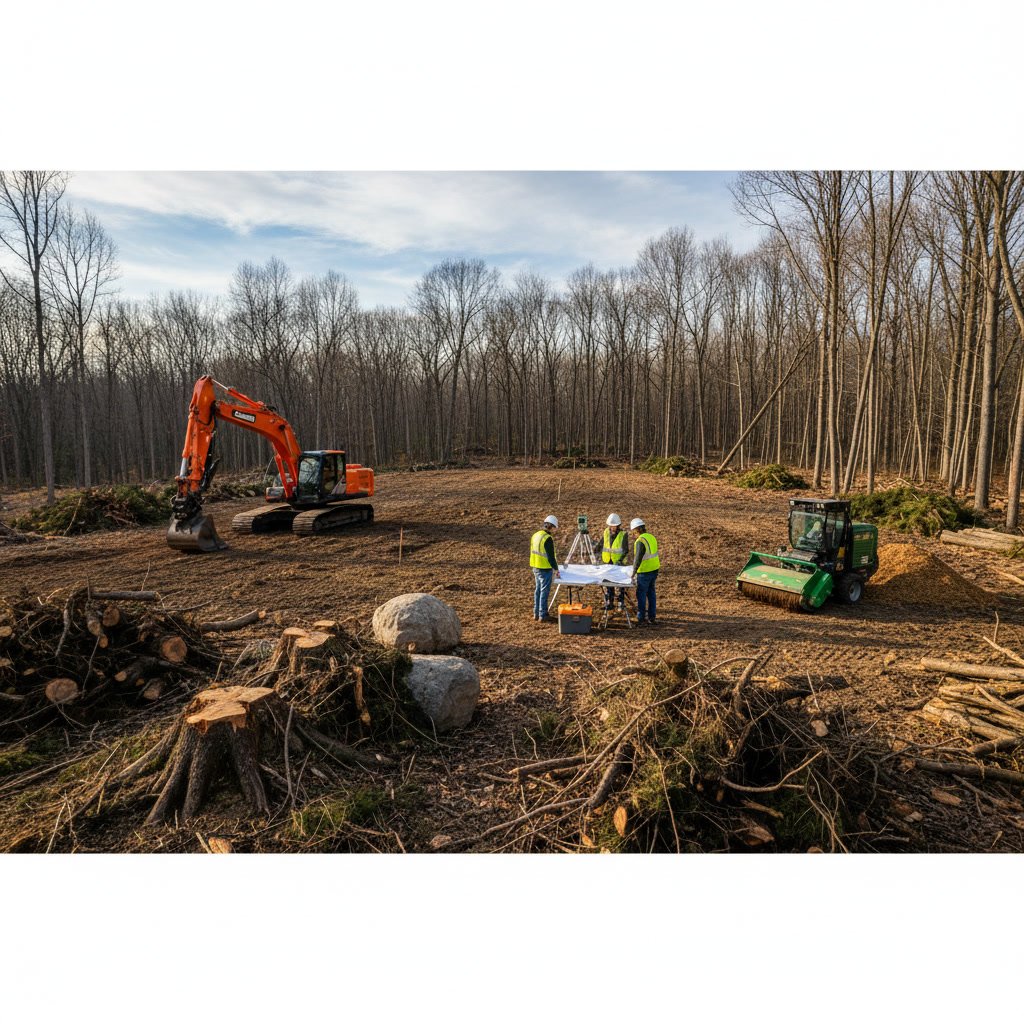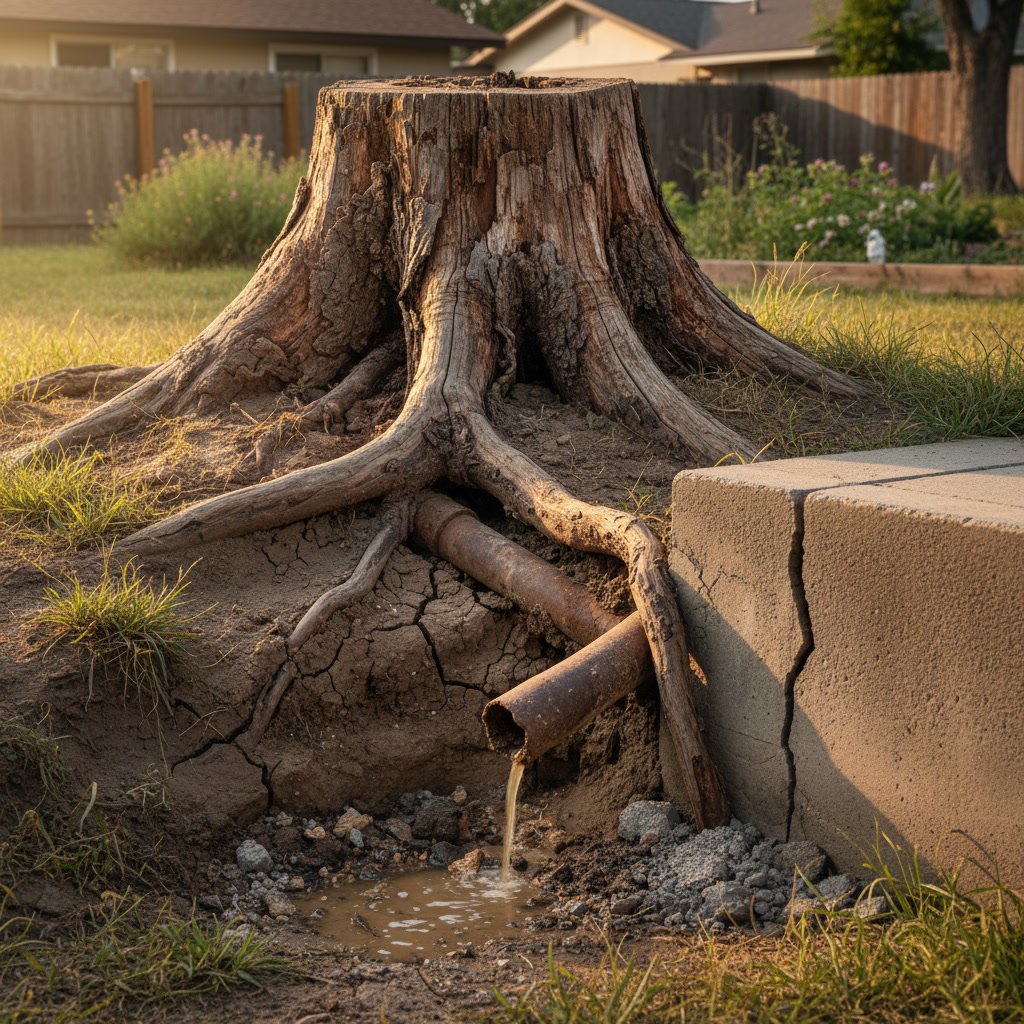
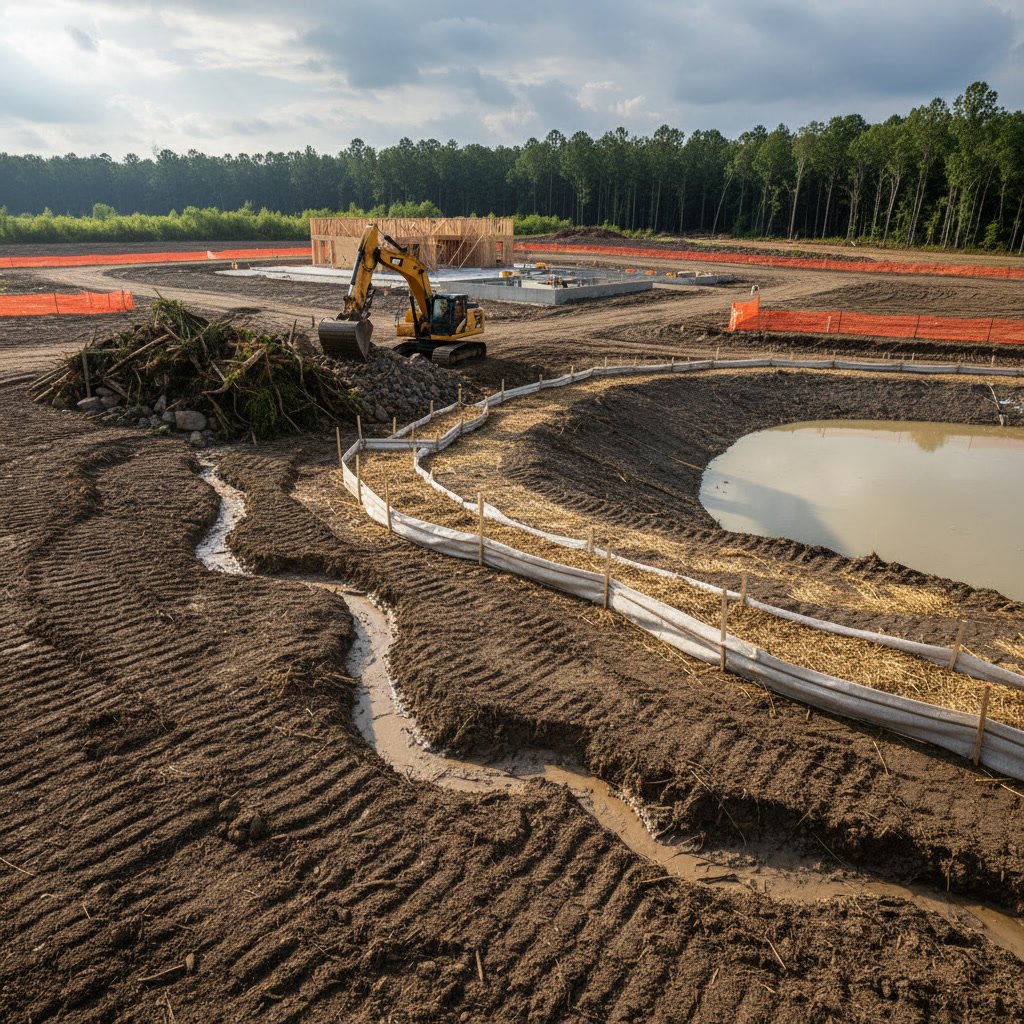
Proper land clearing soil erosion control begins with understanding that strategic vegetation removal actually stabilizes soil rather than destabilizing it. When done correctly, clearing removes shallow-rooted plants and destabilizing trees while establishing controlled drainage patterns and compacted work zones. The process creates defined grades that channel water away from foundation areas, preventing the concentrated runoff and sediment loss that plague unprepared sites. Professional clearing also removes root systems that, when left to decay after tree removal, create voids and settlement issues in construction zones.
Why Uncleared Construction Sites Experience Severe Erosion
Construction activity on unprepared land creates erosion problems that cleared sites avoid. Heavy equipment traffic on vegetated ground tears up root mats without removing them, leaving loose soil exposed to rain and wind. Tree canopies that once intercepted rainfall get damaged but not removed, creating drip lines that concentrate water flow into erosive channels. The result is muddy jobsites, sediment-choked storm drains, and foundation excavations that fill with runoff-carried soil.
Uncleared sites also hide drainage problems that only appear after construction begins. Low spots concealed by undergrowth become standing water zones. Natural channels blocked by fallen limbs redirect water toward foundation areas. These hidden issues cost thousands in remediation when discovered mid-project, whereas proper clearing identifies and addresses them before excavation starts.
How Strategic Vegetation Removal Stabilizes Soil Structure
Professional clearing removes problematic vegetation while preserving soil integrity. The process targets shallow-rooted brush and invasive species whose root systems provide minimal soil binding. These plants compete with deeper-rooted ground covers that actually prevent erosion. Removing them allows operators to establish erosion control vegetation suited to construction site conditions.
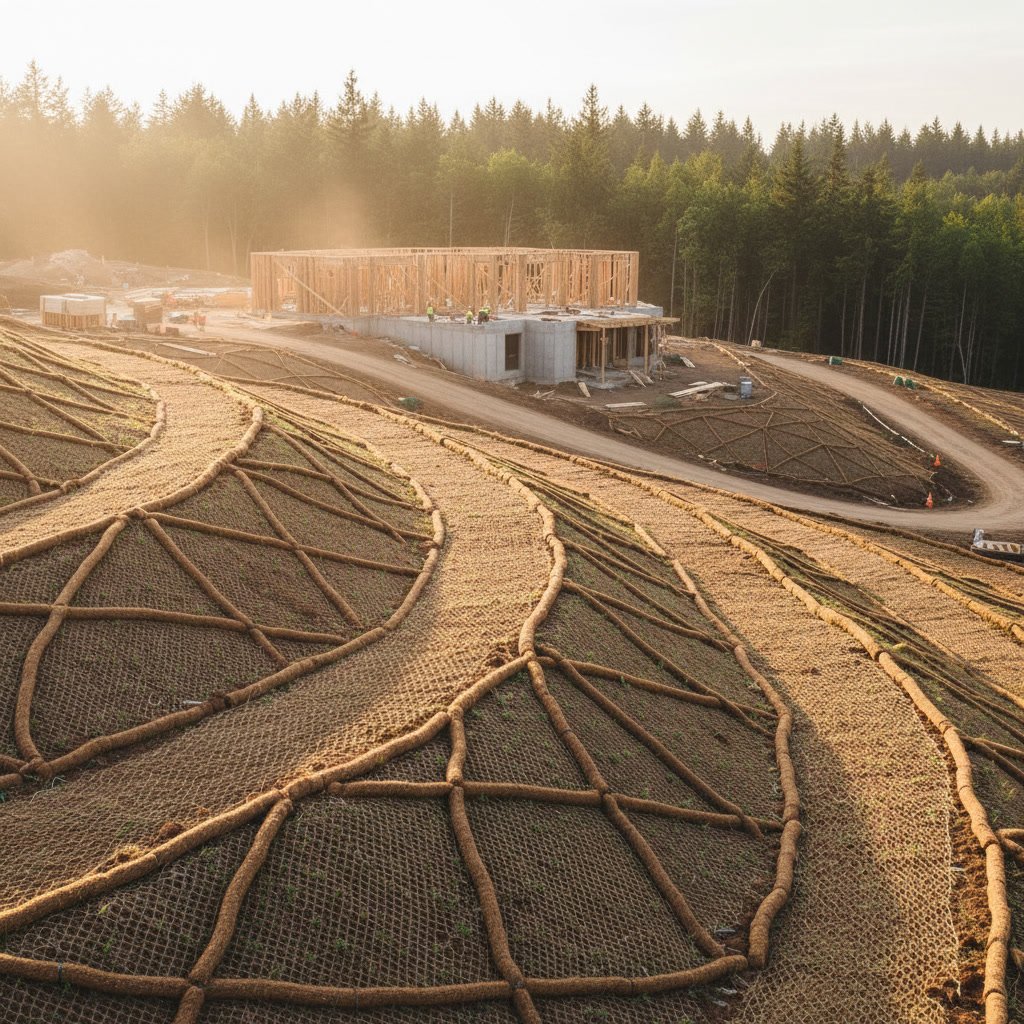
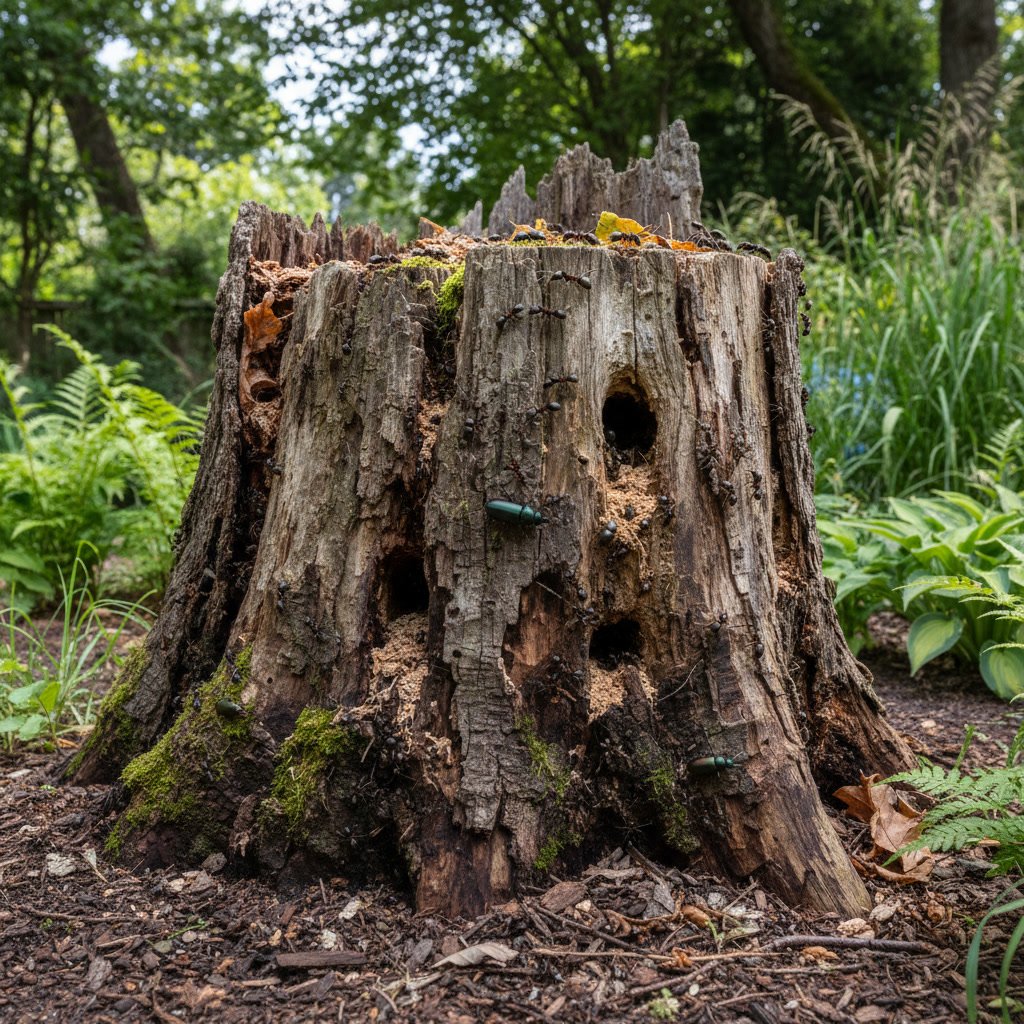
Selective clearing also addresses trees with root systems that will decay during construction. A dying root ball 24 inches below a future foundation creates a settlement void. Removing these trees and grinding stumps eliminates future problems. Stump removal is particularly critical within 20 feet of planned structures, where decaying roots can undermine footings years after construction.
Establishing Proper Grade and Drainage Patterns in Westminster
Land clearing creates the opportunity to establish controlled site grades before construction equipment arrives. Operators can shape the cleared surface to direct water away from building zones toward designated drainage areas. This grading work is impossible on vegetated sites where roots and stumps prevent proper equipment access and soil movement.
In Westminster and surrounding Carroll County, clay-heavy soils require particular attention to drainage during clearing. Clay expands when wet and shrinks when dry, creating movement that cracks foundations. Professional land clearing establishes grades that keep water moving off-site rather than pooling near foundation zones where clay movement causes problems.
Erosion Control Measures During the Clearing Process
Professional clearing includes erosion control measures throughout the process, not just after completion. Operators work in phases, clearing and stabilizing sections before moving to adjacent areas. This prevents the entire site from sitting bare and vulnerable to a single storm event.
Proper clearing also preserves natural buffers along property lines and near water features. These vegetated zones filter sediment from runoff leaving the cleared area. A 25-foot buffer of existing vegetation can capture 80% of sediment from construction site runoff, protecting neighboring properties and meeting municipal erosion control requirements.
Three Critical Steps for Erosion-Resistant Site Preparation
First, identify and mark all existing drainage features before clearing begins. Natural swales, seasonal streams, and low spots must be preserved or improved, not filled or disrupted. These features provide paths for water that will exist whether you plan for them or not.
Second, remove all root systems within the building footprint and 15 feet beyond. Surface clearing that leaves roots creates voids as they decay. Professional clearing includes stump grinding to 12 inches below final grade, ensuring no voids form under foundations or hardscaping. This step connects directly to preventing underground root damage that affects completed structures.
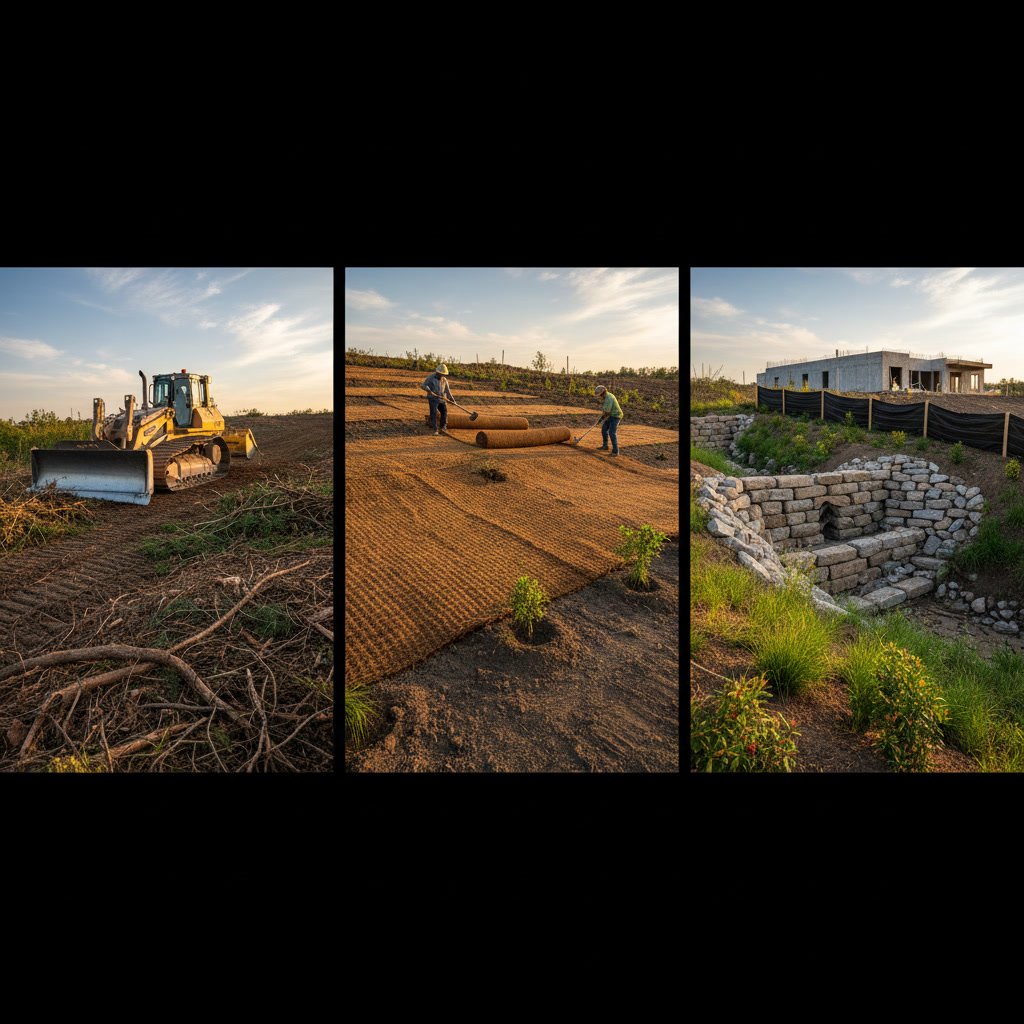
Third, establish temporary ground cover within 48 hours of clearing. Seeding with fast-germinating annual rye grass or covering with erosion control blankets protects bare soil until construction begins. Even a thin cover reduces erosion by 70% compared to bare ground during the critical first month after clearing.
How Clearing Timing Affects Erosion Risk
Clearing during dry seasons minimizes erosion risk during the vulnerable bare-soil period immediately after vegetation removal. Summer and early fall clearing in Maryland allows operators to establish grades and temporary cover before winter rains arrive. Sites cleared in spring face immediate exposure to storm season before protective measures take hold.
Timing also affects the speed of follow-up construction. A site cleared in June can be graded, stabilized, and ready for foundation work by August. Spring clearing often results in delayed construction starts because wet conditions prevent proper compaction and grading work. These delays extend the period when bare soil remains vulnerable to erosion.
Compliance with Local Erosion and Sediment Control Requirements
Carroll County requires erosion and sediment control plans for land disturbances exceeding 5,000 square feet. Professional clearing services understand these requirements and incorporate compliant measures into the clearing process. This includes silt fencing along down-slope boundaries, stabilized construction entrances to prevent sediment tracking onto roads, and documented inspection schedules.
Sites that fail inspections face stop-work orders and fines up to $10,000. Proper clearing eliminates this risk by building compliance into the initial site preparation. Operators install required erosion controls as they clear, rather than treating them as afterthoughts once problems appear.
Preventing Sediment Damage to Surrounding Properties
Uncontrolled erosion from construction sites damages neighboring properties through sediment deposition and altered drainage patterns. Soil washed from a cleared site can smother landscaping, clog drainage systems, and create standing water where none existed before. Property owners affected by construction site erosion can pursue legal remedies that far exceed the cost of proper erosion control.
Professional clearing prevents these conflicts by containing sediment on-site from day one. Perimeter controls installed during clearing capture runoff before it leaves the property. Regular maintenance of these controls throughout construction ensures they continue functioning as intended. This proactive approach protects both the construction project and surrounding property owners.
Long-Term Soil Stability After Construction Completion
Proper clearing sets the stage for permanent erosion control after construction finishes. Sites cleared with attention to final grades and drainage patterns accept landscaping and permanent vegetation more successfully. The stable base created during clearing supports healthy plant establishment that provides long-term erosion protection.

Sites cleared improperly require expensive remediation after construction. Regrading to correct drainage problems means disturbing finished landscaping. Installing drainage systems that should have been planned during clearing damages hardscaping and irrigation systems. The cost of fixing clearing mistakes after construction often exceeds the price of proper initial clearing by a factor of three or more.
Specialized Equipment for Erosion-Conscious Clearing
Professional clearing operations use equipment specifically chosen to minimize soil disturbance. Tracked machinery distributes weight over larger areas, reducing compaction and rutting that create erosion channels. Mulching heads that grind vegetation in place return organic matter to the soil, improving structure and water retention rather than leaving bare mineral soil exposed.
This equipment choice matters most on slopes and in areas with erosion-prone soils. Standard bulldozing creates compacted pans that shed water and bare slopes that gully during the first rain. Specialized clearing equipment preserves soil structure while removing vegetation, giving erosion control measures a better chance of success.
Protecting Your Construction Investment Through Professional Site Preparation
The connection between proper clearing and erosion control directly impacts construction budgets and timelines. Sites that experience erosion problems face delays while contractors address sediment control violations, repair damage to excavations, and wait for conditions to dry enough for foundation work. These delays cascade through the entire construction schedule, pushing completion dates and increasing carrying costs.
Professional clearing eliminates these problems by addressing erosion risk before it materializes. The modest additional cost of proper clearing pays for itself many times over through avoided delays, compliance with regulations, and protection of the foundation investment. Construction on properly cleared sites proceeds on schedule without erosion-related interruptions.
When you plan new construction, the clearing phase sets the foundation for everything that follows. Professional land clearing that incorporates erosion control from the start protects your soil, your investment, and your timeline. Properties throughout Manchester, Taneytown, and surrounding communities benefit from clearing services that understand local soil conditions and regulatory requirements.
Abba Chief Tree Service provides comprehensive land clearing services that protect your construction site from erosion while preparing it for successful building. Our team understands the critical connection between proper clearing technique and long-term site stability. Contact us at +14435367420 to discuss how professional clearing can protect your next construction project from costly erosion problems.