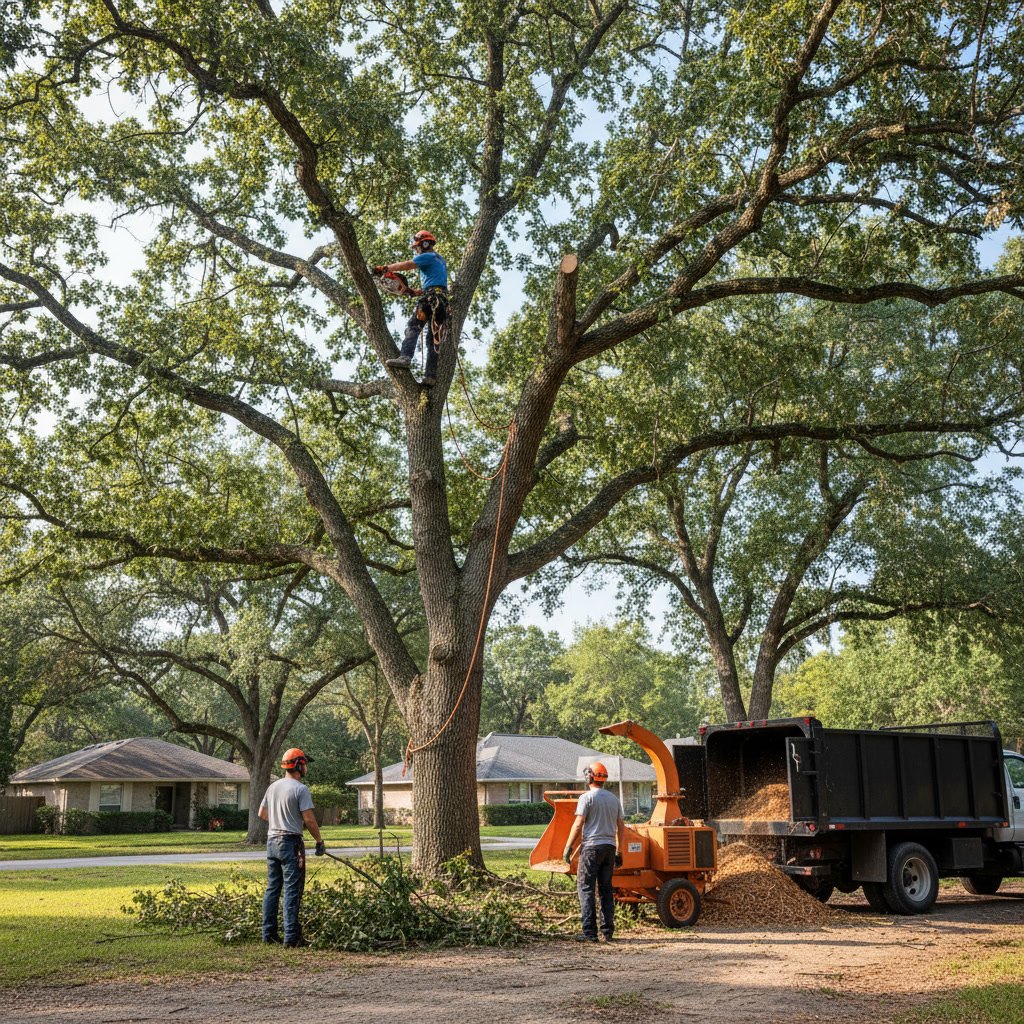
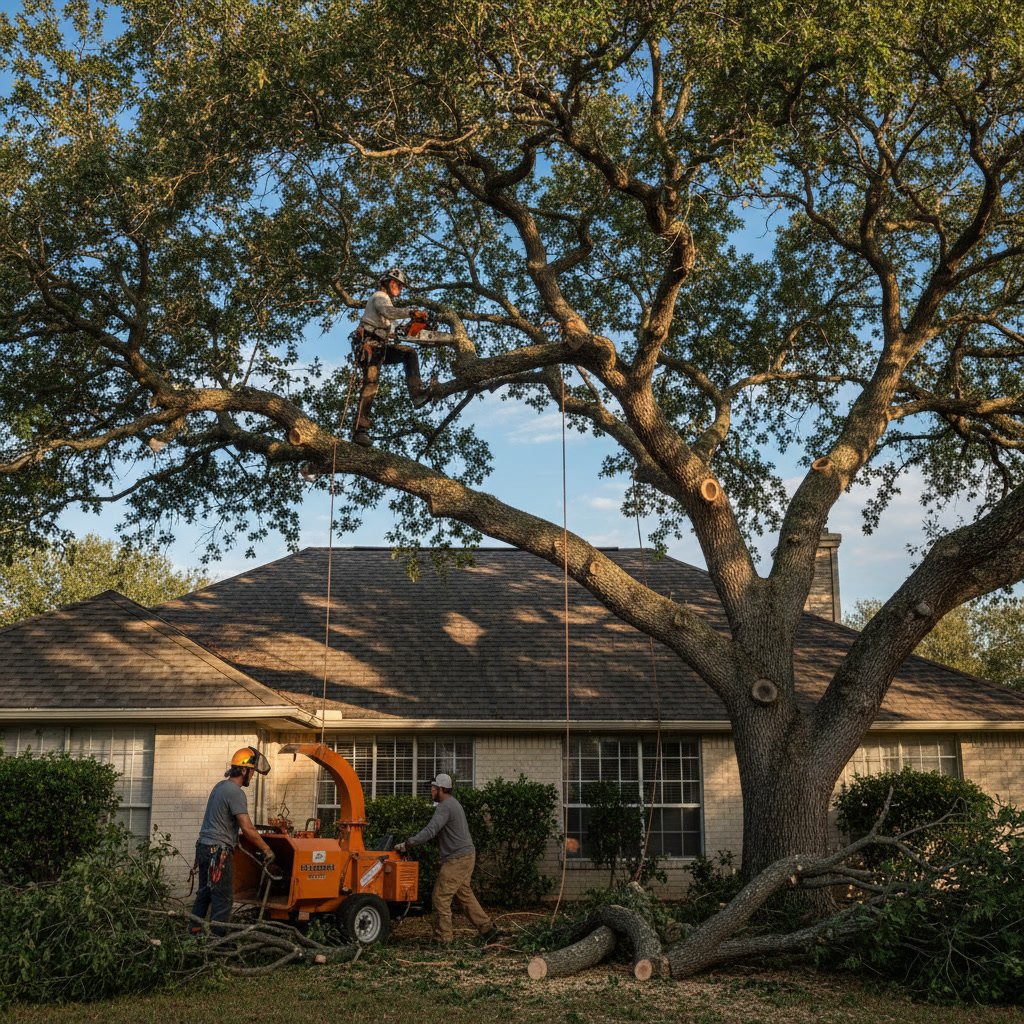
Overhanging branches create constant contact points that scrape shingles, trap moisture, and provide pathways for pests directly onto your roof. Professional tree trimming protects roof surfaces by establishing a safe clearance zone that eliminates these threats. When branches hang too close, every windstorm turns them into abrasive tools that wear down protective roofing materials, while fallen leaves and debris clog gutters and create perfect conditions for rot and leaks.
Your roof represents one of your home’s largest investments, yet many property owners overlook the slow, steady damage caused by nearby tree limbs. Understanding how proximity affects your roofing system helps you take preventive action before minor issues become expensive replacements.
The Hidden Dangers of Branches Near Your Roofline
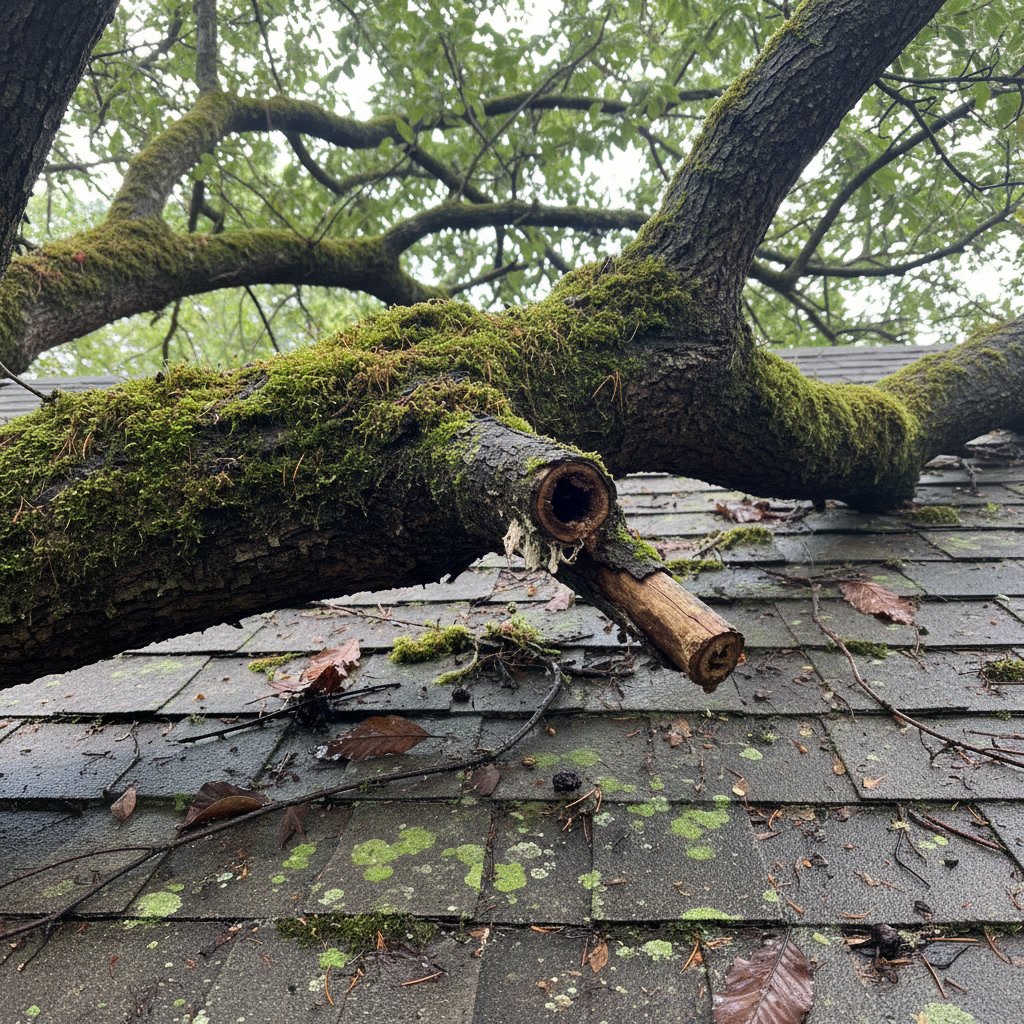
Trees positioned close to your home create specific hazards that compound over time. Branches within six feet of your roof surface act like sandpaper during windy conditions, gradually removing the protective granules from asphalt shingles. Once these granules wear away, the underlying material becomes vulnerable to UV damage and accelerates aging by years.
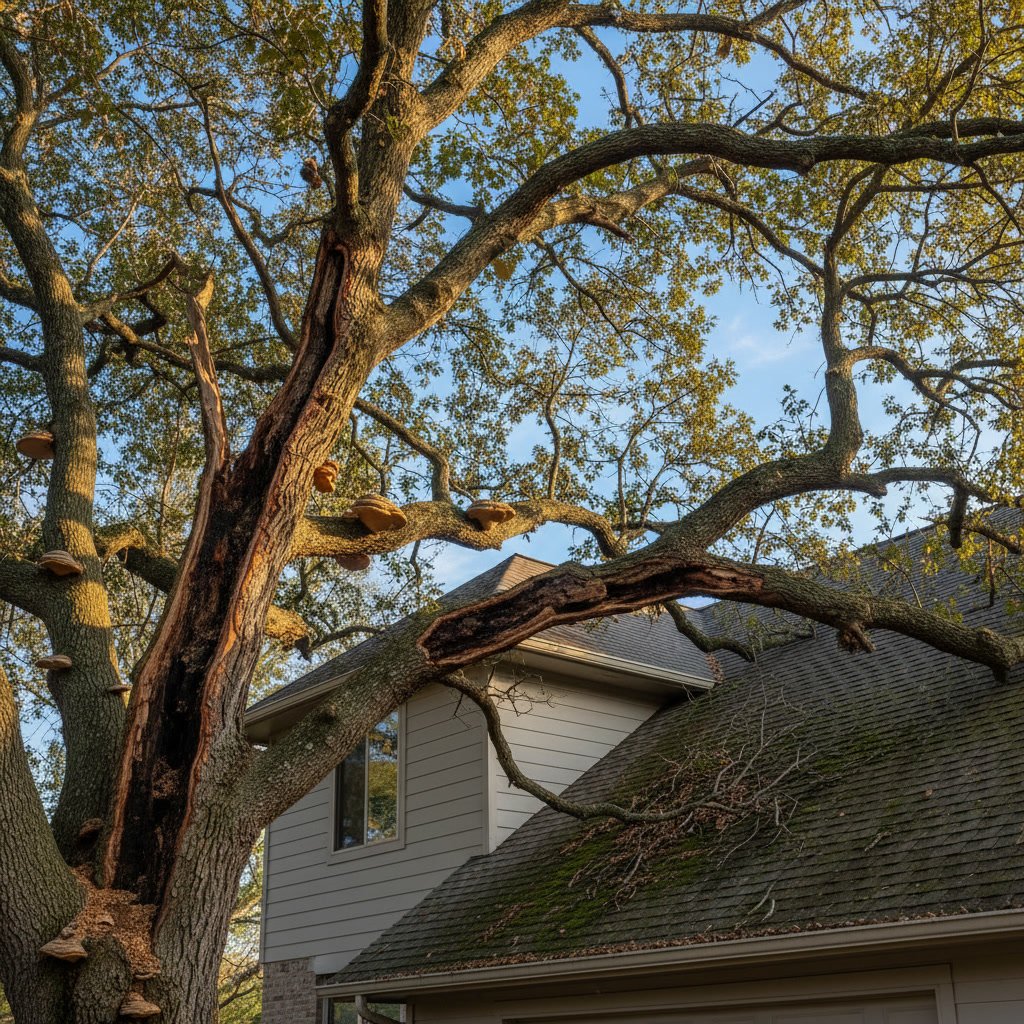
Larger limbs pose structural risks during storms. A branch just eight inches in diameter can weigh 300 pounds or more when saturated with rain. If that limb breaks and falls, it can puncture through multiple roof layers, causing immediate leaks and requiring emergency repairs that cost thousands of dollars.
Moisture Accumulation and the Rot Cycle
Shade from overhanging branches prevents sunlight and airflow from reaching your roof surface. This creates persistently damp conditions where algae, moss, and mold thrive. These organic growths don’t just create ugly black streaks. They actively break down roofing materials by retaining moisture against shingles and wood decking.
When leaves and small twigs accumulate in roof valleys and around chimneys, they form dams that trap water. Even a small pile of organic debris holds moisture like a sponge, keeping the area beneath it wet for days after rain stops. This constant dampness rots wood sheathing and can penetrate into your attic, damaging insulation and creating conditions for interior mold growth.
How Pests Use Trees as Highways to Your Home
Squirrels, raccoons, and rats rarely jump from the ground to your roof. Instead, they climb trees and use overhanging branches as bridges. Once on your roof, these animals seek entry points under soffits, through vents, or by chewing through weakened areas. The damage they cause ranges from torn insulation to chewed electrical wiring.
Carpenter ants and termites also travel along branches that touch your roofline. These insects establish satellite colonies in damp wood, which is exactly what you find when branches create the moisture problems described earlier. Regular tree trimming removes these access routes and forces pests to find alternative, more difficult paths.
Establishing the Right Clearance Distance in Westminster
Professional arborists recommend maintaining at least six to ten feet of clearance between branch tips and your roof surface. This distance accounts for branch movement during wind events and provides enough space for proper air circulation and sunlight exposure. The specific clearance needed depends on tree species, growth rate, and your roof’s pitch.
Fast-growing species like silver maples and Bradford pears require more frequent attention because they can add several feet of growth per season. Property owners in Westminster, MD should schedule trimming every two to three years for these aggressive growers, while slower species like oaks may only need attention every four to five years.
Gutter Protection Through Strategic Branch Management
Your gutters form the first line of defense against water damage, but they only work when water flows freely through them. Overhanging branches drop thousands of leaves directly into gutter channels each fall. When gutters clog, water backs up under shingles, saturates fascia boards, and can even seep into walls.
Trimming back branches reduces the leaf load your gutters must handle by 60 to 80 percent. This extends the time between cleanings and reduces the risk of overflow damage. Many homeowners don’t realize that gutter overflow causes foundation problems too, as water cascades down exterior walls and pools around basement perimeters.
Storm Damage Prevention: Proactive Versus Reactive Approaches
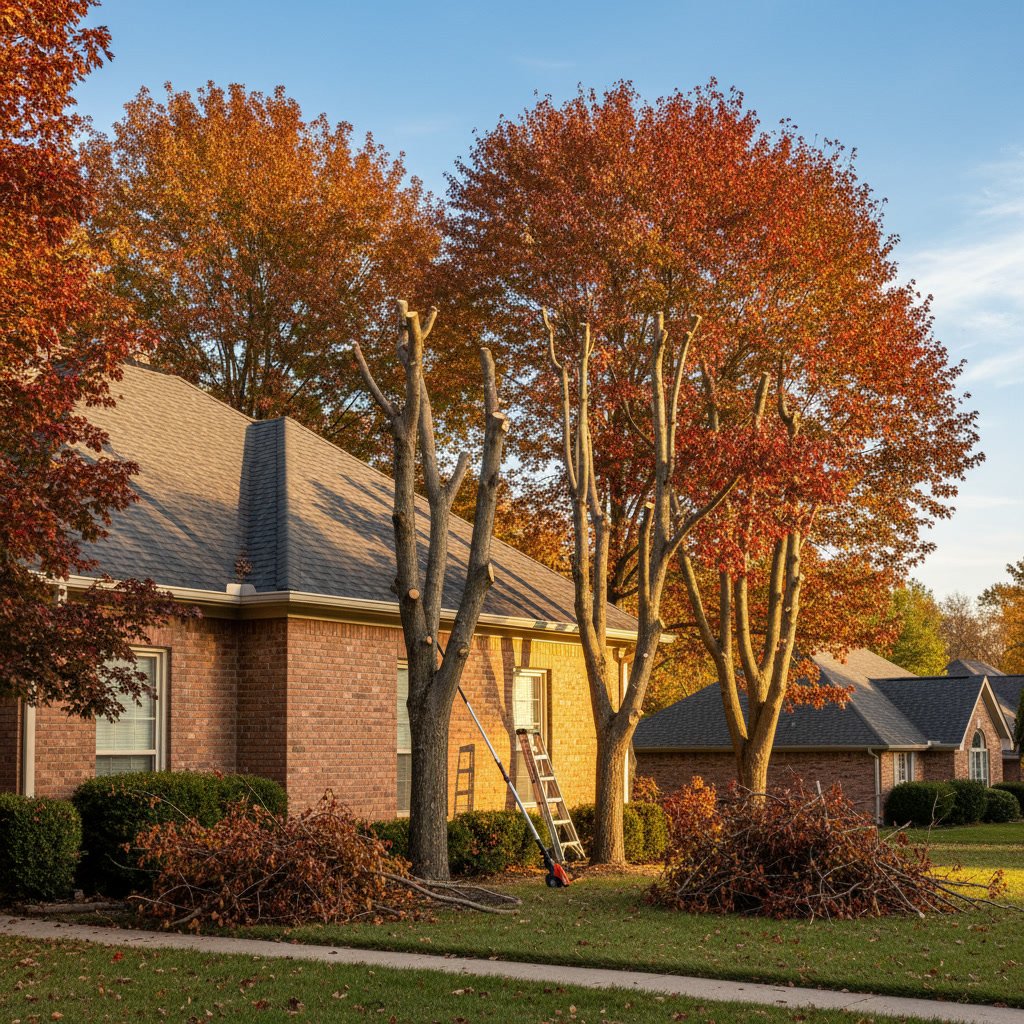
The difference between minor storm cleanup and catastrophic roof damage often comes down to branch management before severe weather arrives. Dead or weakened limbs become projectiles during high winds. A branch that looks secure in calm conditions may have internal decay or poor attachment that fails when stressed.
Property owners who wait until after storms often face emergency situations requiring immediate response. Understanding what to do after storm damage helps, but preventing the damage in the first place saves money and stress. Scheduling regular inspections identifies hazardous limbs before they become problems.
The Shingle Lifespan Extension You Gain
Asphalt shingles typically last 20 to 25 years under normal conditions. Constant branch contact can reduce that lifespan to 12 to 15 years by accelerating granule loss and creating wear patterns. The financial impact is significant. Replacing a roof ten years early on a 2,000-square-foot home costs $8,000 to $15,000 depending on materials.
By maintaining proper clearance, you protect your investment and maximize the return on your roofing system. The few hundred dollars spent on periodic trimming prevents premature replacement and the disruption that comes with major roofing projects.
Five Signs Your Trees Need Immediate Attention
Certain warning signs indicate that your trees pose active threats to your roof. First, if you hear scraping sounds during windy conditions, branches are making contact and causing damage. Second, visible scratch marks or missing granules on shingles show where contact occurs regularly.
Third, excessive moss or algae growth on one roof section indicates poor sunlight and airflow, typically from overhanging canopy. Fourth, finding small animals on your roof or hearing them in your attic suggests they’re using tree branches as access routes. Fifth, piles of leaves in roof valleys or around chimneys after storms mean branches are dropping debris directly overhead.
Any of these signs warrants professional evaluation. The situation only worsens with time, and addressing problems early prevents escalation into emergency tree service situations that cost more and create urgent safety hazards.
Timing Your Trimming for Maximum Protection
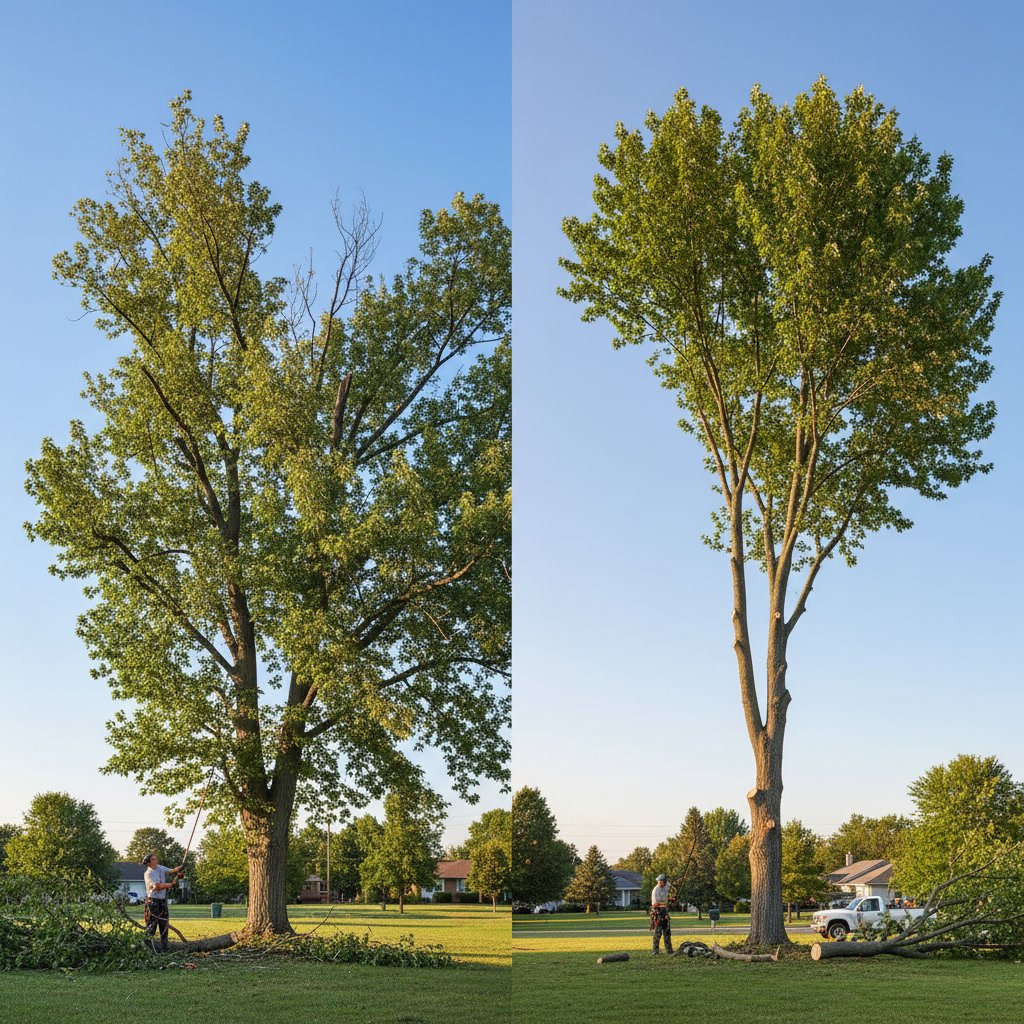
Late winter and early spring offer ideal windows for roof-protecting tree work. Trees remain dormant, making cuts heal quickly when growth resumes. Visibility improves without leaves, allowing arborists to assess branch structure and identify problems hidden during growing season.
Fall trimming works well for removing dead wood and hazard limbs before winter storms arrive. Avoid heavy pruning during active growth periods in late spring and summer, as this stresses trees and promotes excessive sprouting that creates denser canopy requiring more frequent maintenance.
Professional Assessment Versus DIY Approaches
Homeowners can safely remove small branches under two inches in diameter using proper tools and techniques. Anything larger, higher than you can reach from the ground, or near power lines requires professional expertise. Incorrect cuts damage tree health, while working near rooflines and power lines creates serious injury risks.
Professional arborists understand tree biology and make cuts that promote healthy regrowth rather than creating weak, dangerous branch structures. They also carry insurance that protects you if accidents occur during work. The cost difference between professional service and potential medical bills or property damage from DIY accidents makes professional help the smarter choice for substantial work.
Beyond basic safety, experienced tree care specialists identify structural issues that untrained observers miss. Hidden decay, insect damage, and poor branch attachments all compromise stability and create future hazards. Just as proper trimming improves tree health, it also extends the protective benefits your landscape provides when maintained correctly.
Protecting Your Investment for Years to Come
Regular tree maintenance creates a protective zone around your home that prevents damage before it starts. The investment in periodic trimming pays returns through extended roof life, reduced repair costs, and improved property aesthetics. Trees and homes coexist beautifully when managed with attention to the specific risks that proximity creates.
By understanding how branches affect your roofing system and taking proactive steps to maintain proper clearance, you protect one of your home’s most critical components while preserving the beauty and benefits your trees provide.
Abba Chief Tree Service provides expert trimming services that safeguard your roof while promoting healthy tree growth throughout Carroll County. Our certified arborists assess your specific situation and develop maintenance plans tailored to your property’s needs. Contact us at +14435367420 to schedule an evaluation and protect your home from unnecessary damage.