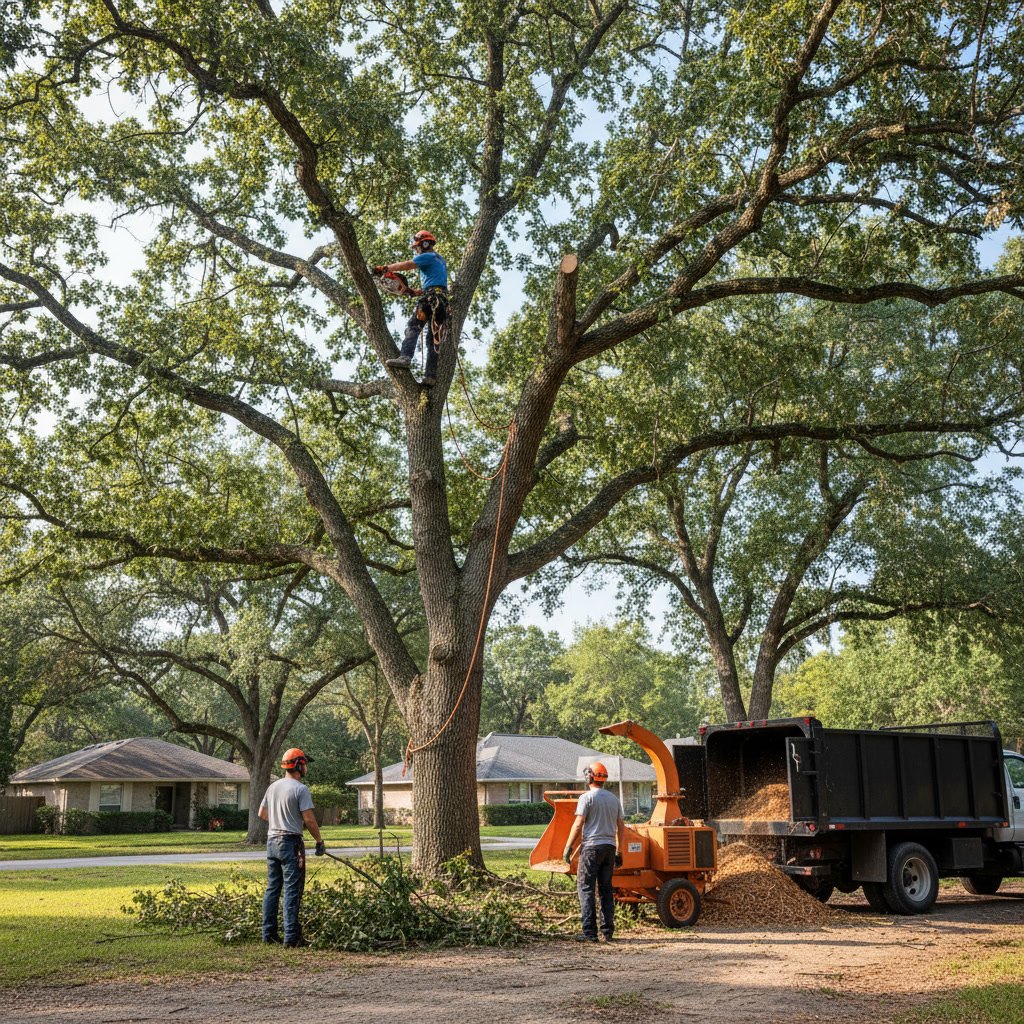
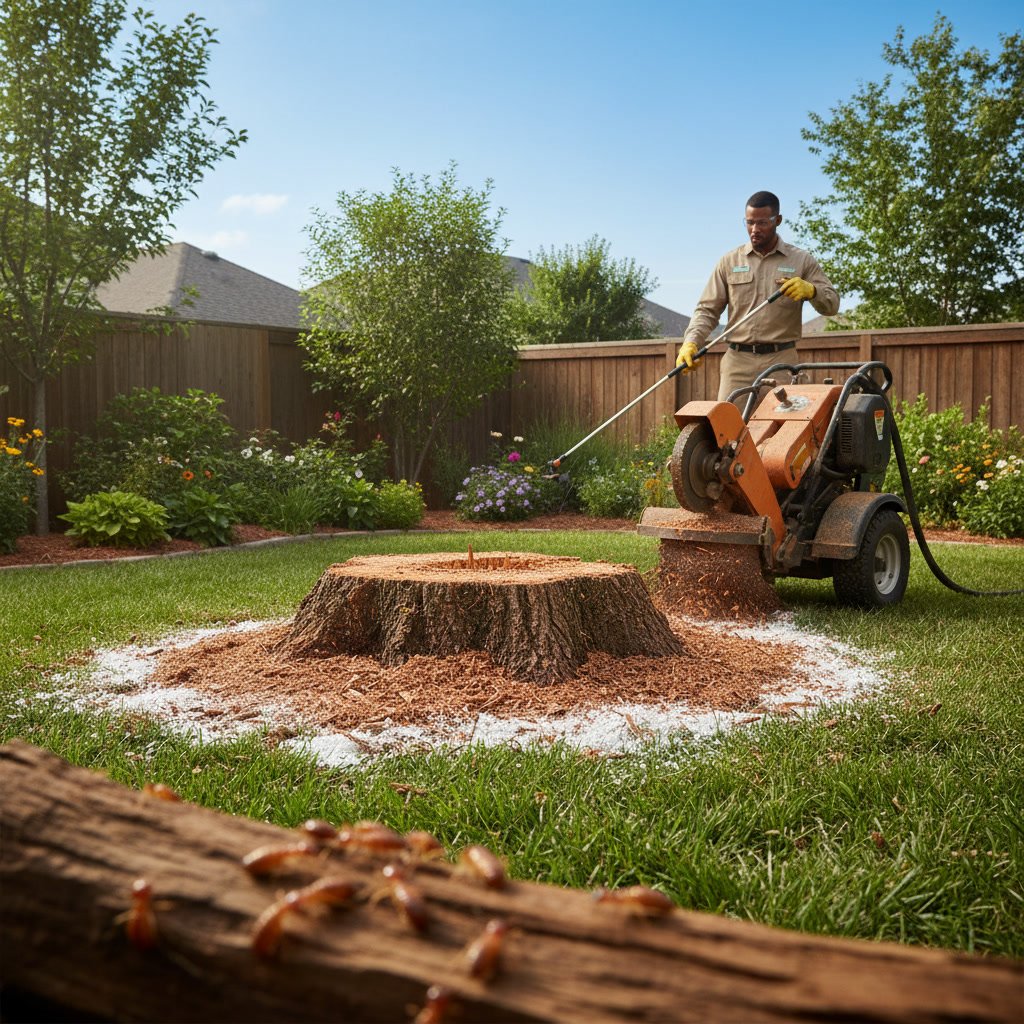
Tree stumps left behind after tree removal create perfect habitats for termites, carpenter ants, beetles, and other wood-destroying pests. As the wood decays, it attracts insects that feed on rotting material, and these pests often migrate to nearby structures including your home’s foundation, deck, or wooden fencing. Professional stump removal prevents termites and other destructive insects from establishing colonies in your yard and threatening your property.
Why Dead Tree Stumps Attract Destructive Insects
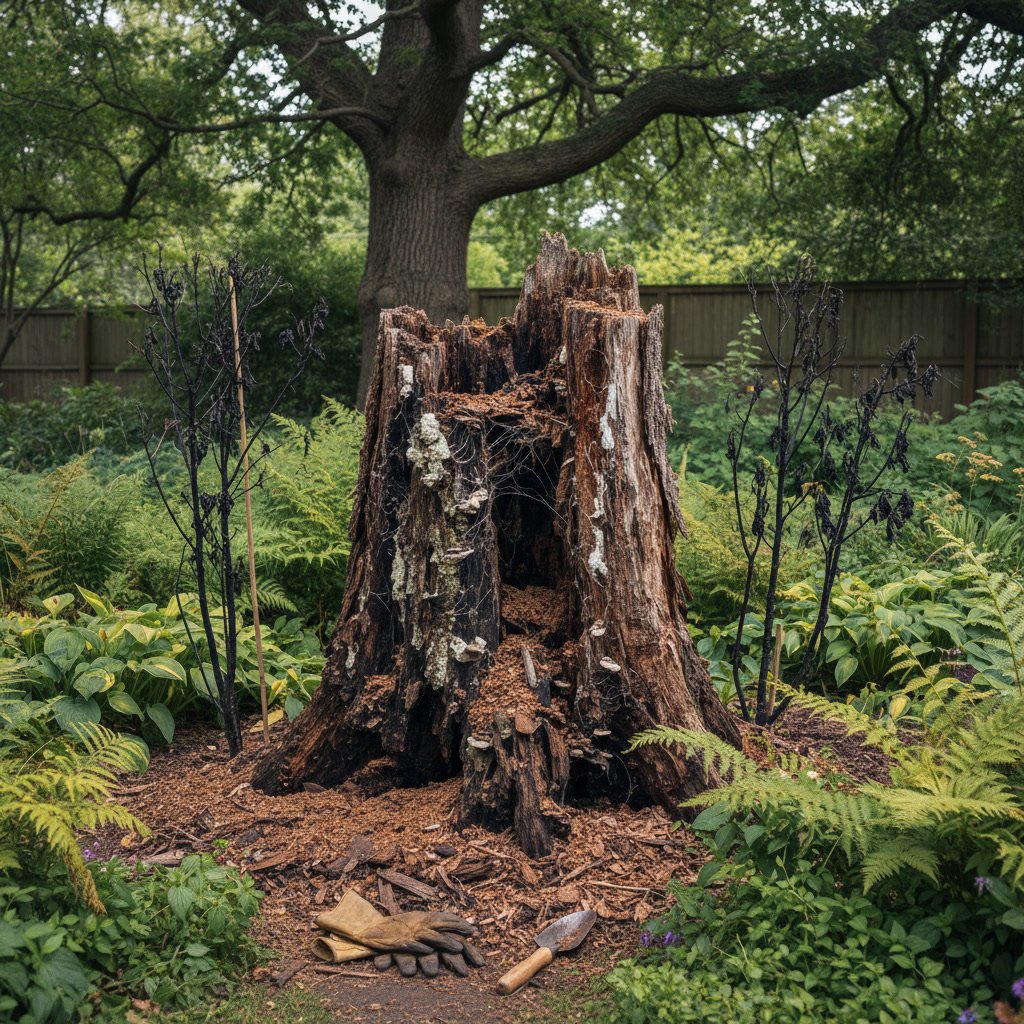
A tree stump begins decomposing the moment it’s cut. This decomposition process softens the wood and creates moisture pockets that many pest species find irresistible. Termites, in particular, thrive in moist, decaying wood where they can tunnel freely and establish extensive colonies.
The bark and outer layers of a stump break down first, exposing the softer inner wood. This creates entry points for beetles, ants, and other boring insects. Within six months to a year, a single stump can house thousands of insects, many of which reproduce rapidly and search for new food sources.
Stumps also retain moisture far longer than living trees. Rain pools in crevices, and the decaying wood acts like a sponge. This constant moisture supports fungal growth, which further attracts insects that feed on both wood and fungi.
The Connection Between Termites and Untreated Stumps
Subterranean termites, the most common species in Maryland, build colonies underground and forage for wood above the soil line. A decaying stump provides an abundant, easily accessible food source that can support a colony of hundreds of thousands of termites.
Once a colony establishes itself in a stump, worker termites begin exploring outward in search of additional wood. Your home’s wooden siding, deck posts, or foundation supports may be only 20 to 50 feet away. Termites can travel up to 150 feet from their colony, meaning a stump anywhere in your yard poses a real threat.
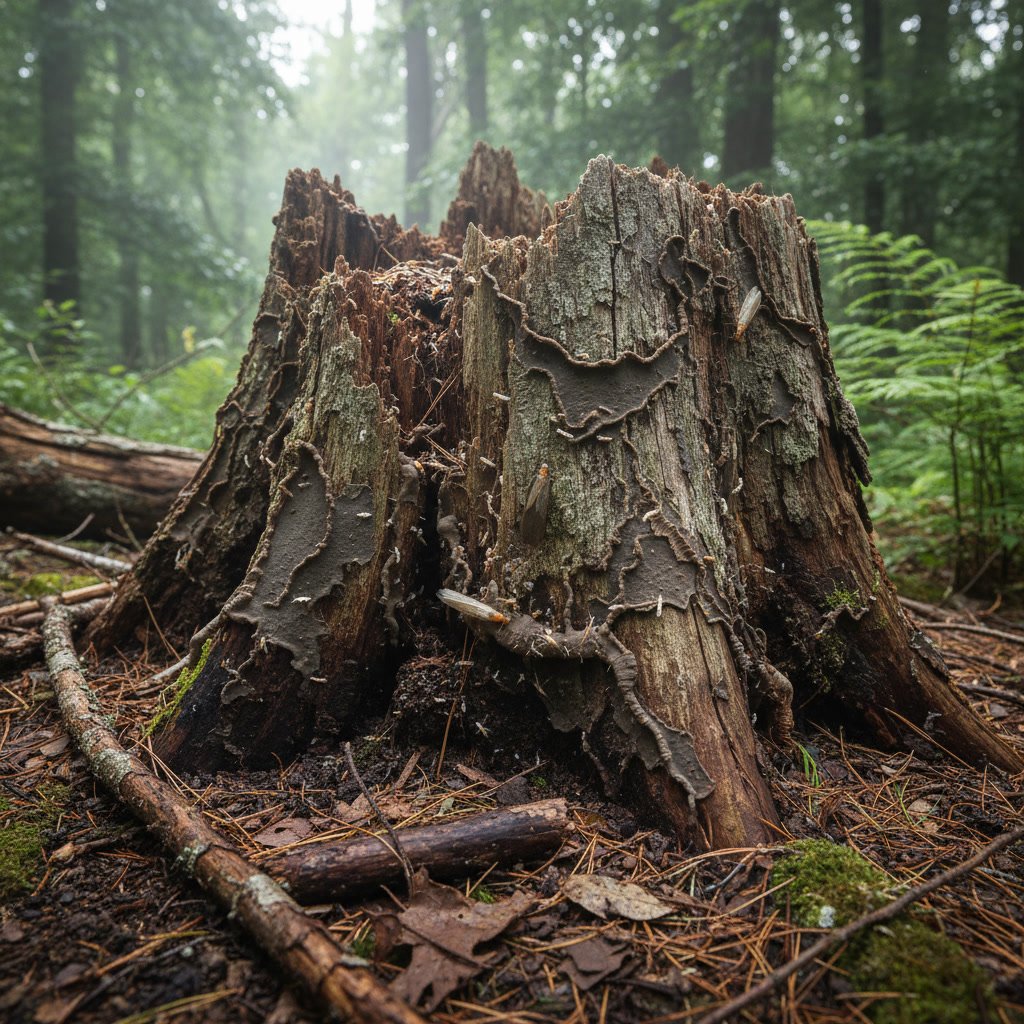
Research from the University of Maryland Extension shows that properties with untreated stumps within 50 feet of structures have significantly higher rates of termite activity. The presence of decaying wood near a home essentially serves as a lure, drawing termite scouts that may discover your house during their foraging.
Other Pests That Colonize Tree Stumps
Termites aren’t the only threat. Carpenter ants excavate galleries in softened wood to build their nests, and while they don’t eat wood like termites, they cause similar structural damage. A mature carpenter ant colony can house 10,000 to 20,000 ants, all actively tunneling through the stump and potentially spreading to nearby wood structures.
Wood-boring beetles, including powderpost beetles and longhorn beetles, lay eggs in cracks and crevices of stumps. The larvae tunnel through the wood as they feed, creating networks of holes that weaken the structure. Adult beetles emerge and often fly to nearby wooden fences, sheds, or homes to lay their next generation of eggs.
Rodents such as mice and voles often nest beneath stumps, using the root system and decaying wood as shelter. These animals can carry diseases and may move closer to your home as they search for food, potentially entering crawl spaces or basements.
How Professional Stump Removal in Westminster Eliminates Pest Risks
Stump removal eliminates the food source and habitat that pests require. Professional grinding removes the stump down to 6 to 12 inches below ground level, destroying the above-ground wood and severing the root system.
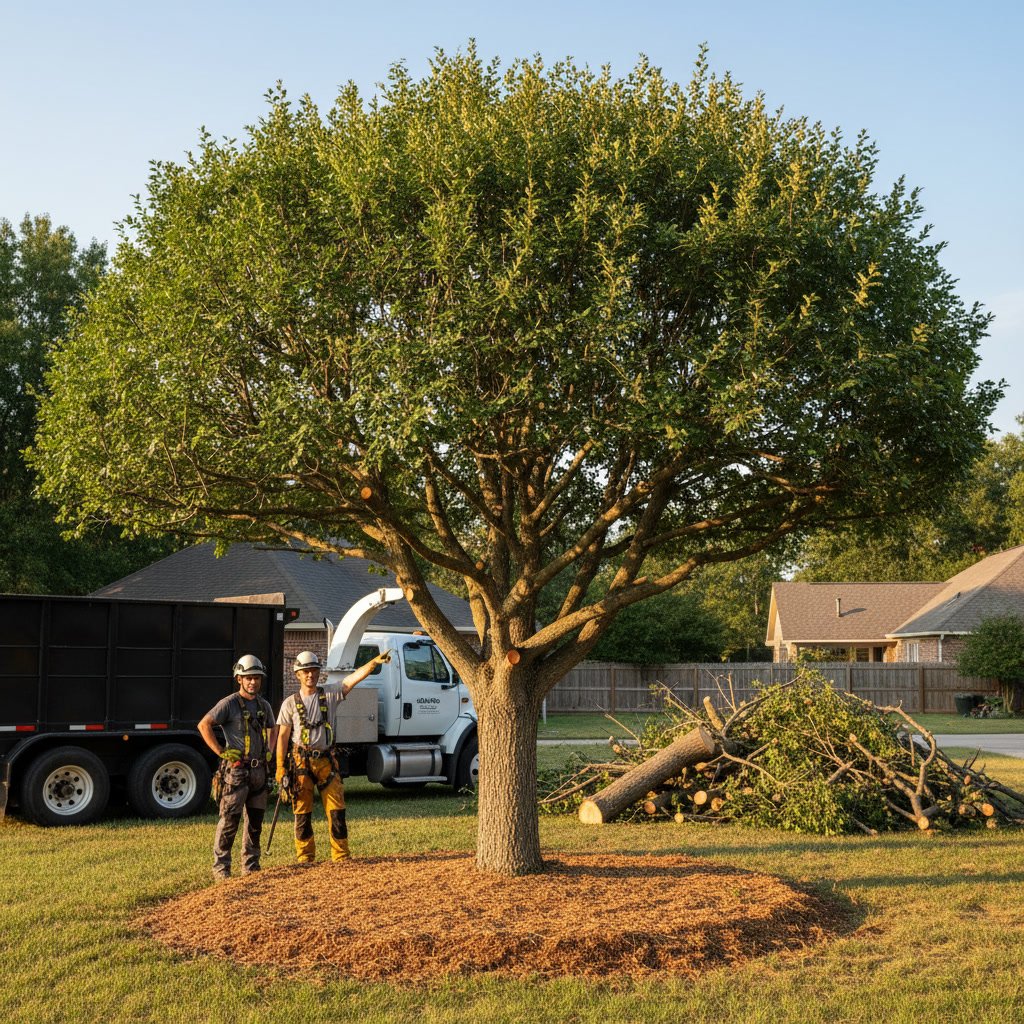
Without the stump, termites and other insects lose their primary nesting site. The wood chips left behind after grinding are much smaller and dry out quickly, making them far less attractive to pests than a solid, moisture-retaining stump. Most professionals also remove or treat the chips to prevent any lingering pest activity.
Grinding also eliminates the visual and physical obstacles that stumps create, reducing the number of hiding spots and damp areas in your yard where pests congregate.
Five Steps to Pest-Proof Your Yard After Tree Removal
Taking action immediately after a tree is removed maximizes your protection against infestations.
First, schedule stump grinding within two to four weeks of tree removal. The fresher the stump, the less time pests have to colonize it. Waiting months or years dramatically increases your risk.
Second, remove all large wood debris, including branches, logs, and root sections. Piles of wood anywhere on your property serve as additional pest attractants.
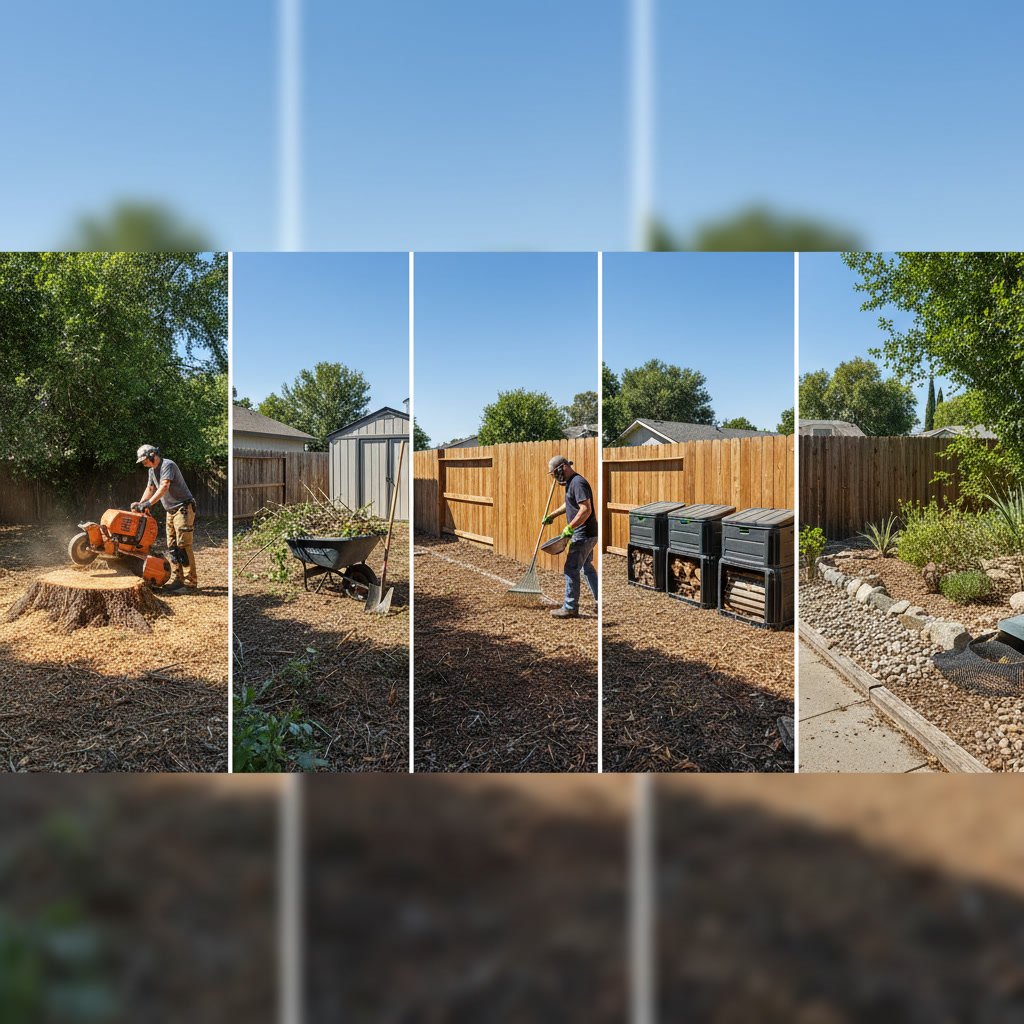
Third, fill the hole left by grinding with quality topsoil and seed it with grass. This prevents water from pooling and eliminates a potential nesting site for insects or rodents.
Fourth, inspect wooden structures near the removed stump for signs of pest activity. Look for mud tubes on foundations (a termite sign), small exit holes in wood (beetles), or piles of sawdust (carpenter ants).
Fifth, maintain a vegetation-free zone of at least 12 inches around your home’s foundation. Mulch, woodpiles, and dense plantings create moisture and cover that attract pests from any remaining stumps or wood debris.
The Hidden Cost of Delaying Stump Removal
Many homeowners postpone stump removal to save money, not realizing the financial risk they’re taking. Termite damage repair averages $3,000 to $8,000 nationally, with severe infestations costing $15,000 or more. Structural damage to floor joists, wall studs, or roof supports can require extensive reconstruction.
Carpenter ant remediation typically costs $250 to $500 for treatment alone, not including repairs to damaged wood. If the infestation spreads to your home’s framing, repair costs escalate quickly.
Beyond direct pest damage, stumps decrease property value and curb appeal. Real estate appraisers and buyers view neglected stumps as maintenance issues, often negotiating lower prices or requesting removal before closing.
When you compare these potential costs to professional stump removal, which typically ranges from $100 to $400 depending on size and location, the value of prevention becomes clear. Understanding stump grinding costs helps homeowners budget appropriately and avoid expensive surprises down the road.
Signs Your Stump Already Has a Pest Problem
If you’ve had a stump in your yard for more than a year, inspect it closely for signs of active infestation. Soft, crumbly wood that breaks apart easily indicates advanced decay and likely insect activity.
Look for mud tubes running from the ground up the sides of the stump. These pencil-width tunnels are built by subterranean termites to protect themselves as they travel between soil and food sources.
Small round or oval holes in the wood surface, often accompanied by fine sawdust or powder, signal wood-boring beetles. Fresh sawdust indicates active boring, while old dust may mean the beetles have already moved on.
Carpenter ants leave coarse sawdust mixed with insect body parts near their galleries. You may also see ants themselves, particularly large black ants active during evening hours.
Fungal growth, including mushrooms or bracket fungi growing from the stump, indicates significant internal decay. While fungi aren’t pests themselves, they attract insects and accelerate wood breakdown.
Why Chemical Stump Removal Doesn’t Solve Pest Issues
Some homeowners try chemical stump removers as a budget alternative to professional grinding. These products accelerate decomposition by softening the wood, making it easier to break apart manually.
However, chemical treatments actually make stumps more attractive to pests in the short term. The softened, moisture-rich wood provides an ideal environment for termites and beetles. The stump remains in place for months or even years while it decomposes, giving pests ample time to colonize.
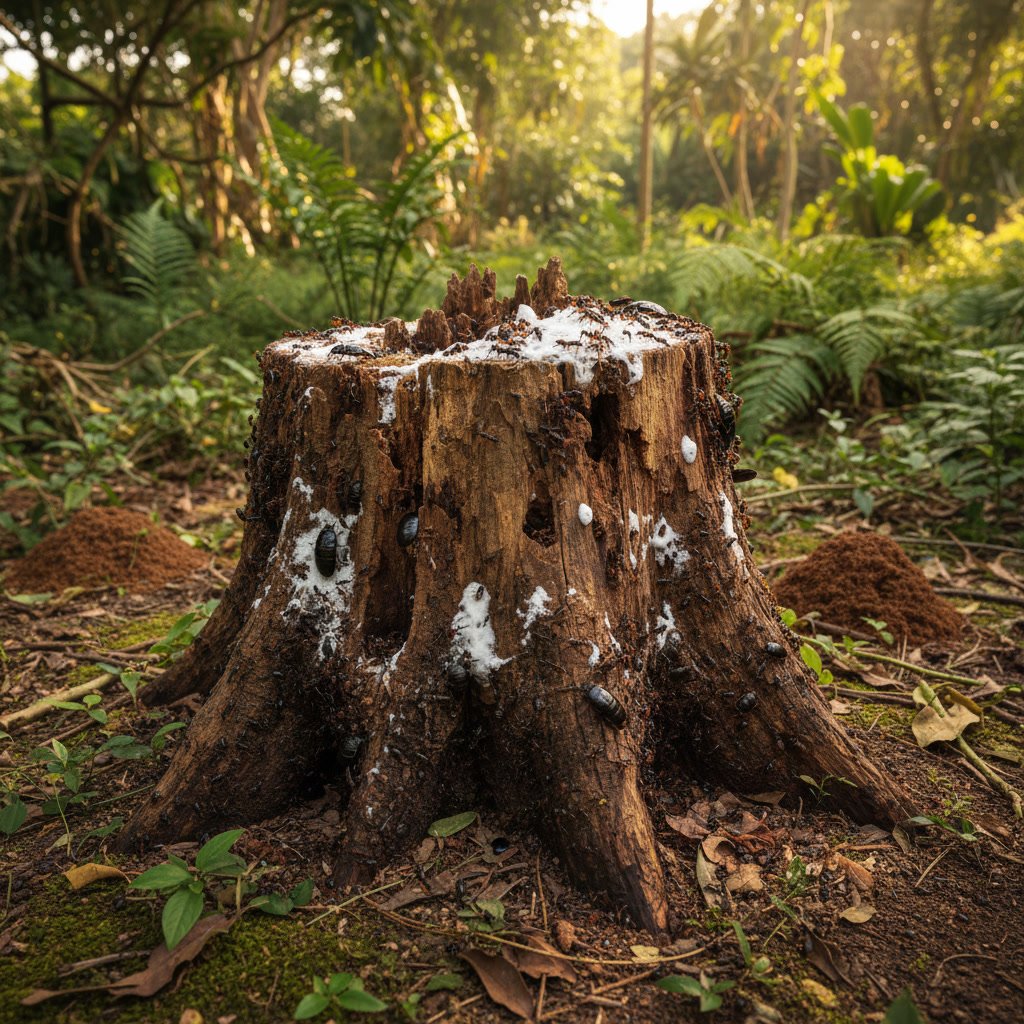
Chemical removal also leaves extensive root systems underground. These roots continue to decay and can support termite colonies just as effectively as the visible stump portion.
Professional grinding, by contrast, physically removes the problem immediately. There’s no waiting period, no prolonged decomposition, and no decaying wood left behind to attract pests.
How Stump Removal Complements Other Tree Services
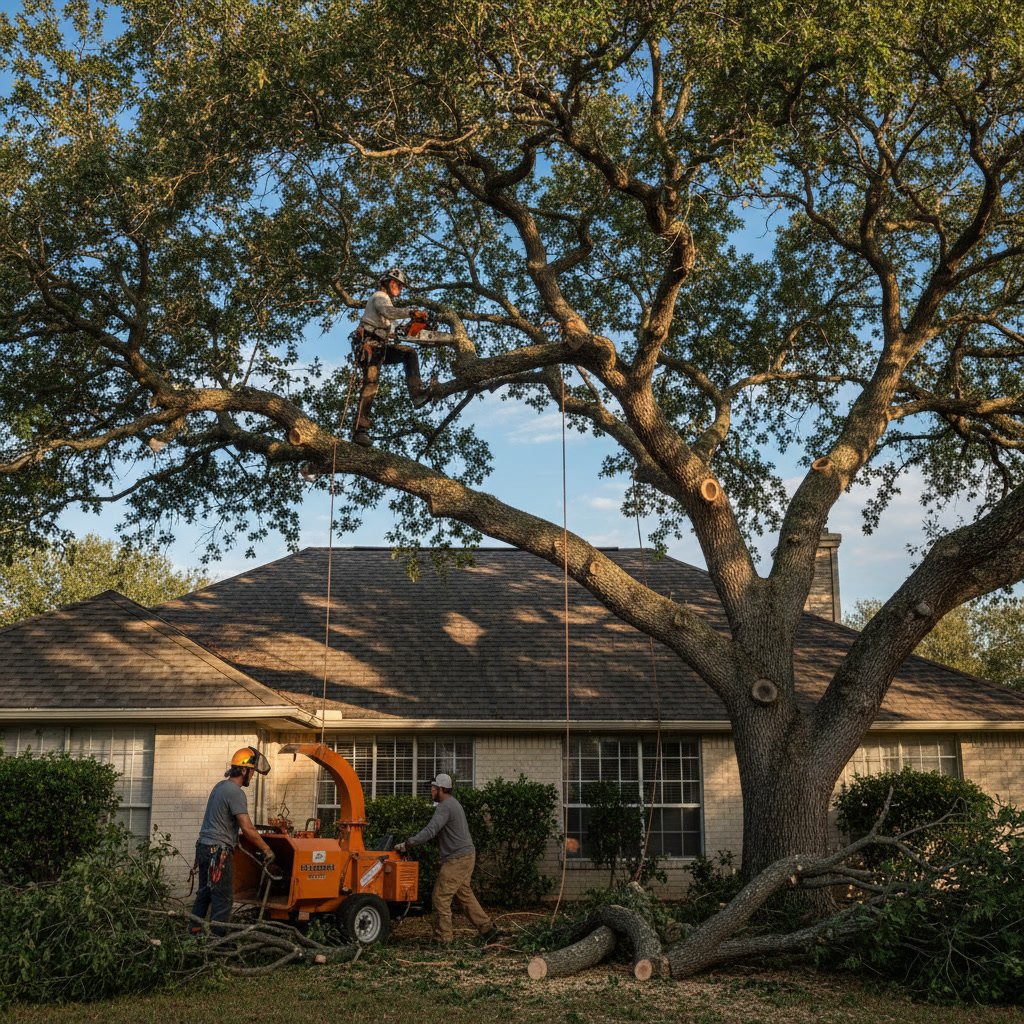
Stump removal often works hand-in-hand with other tree care services. After storm damage cleanup, multiple stumps may need removal to restore your yard and eliminate pest risks from downed trees.
Land clearing projects typically involve removing numerous stumps to prepare sites for construction, gardens, or lawn installation. Addressing all stumps simultaneously is more efficient and ensures no pest harbors remain.
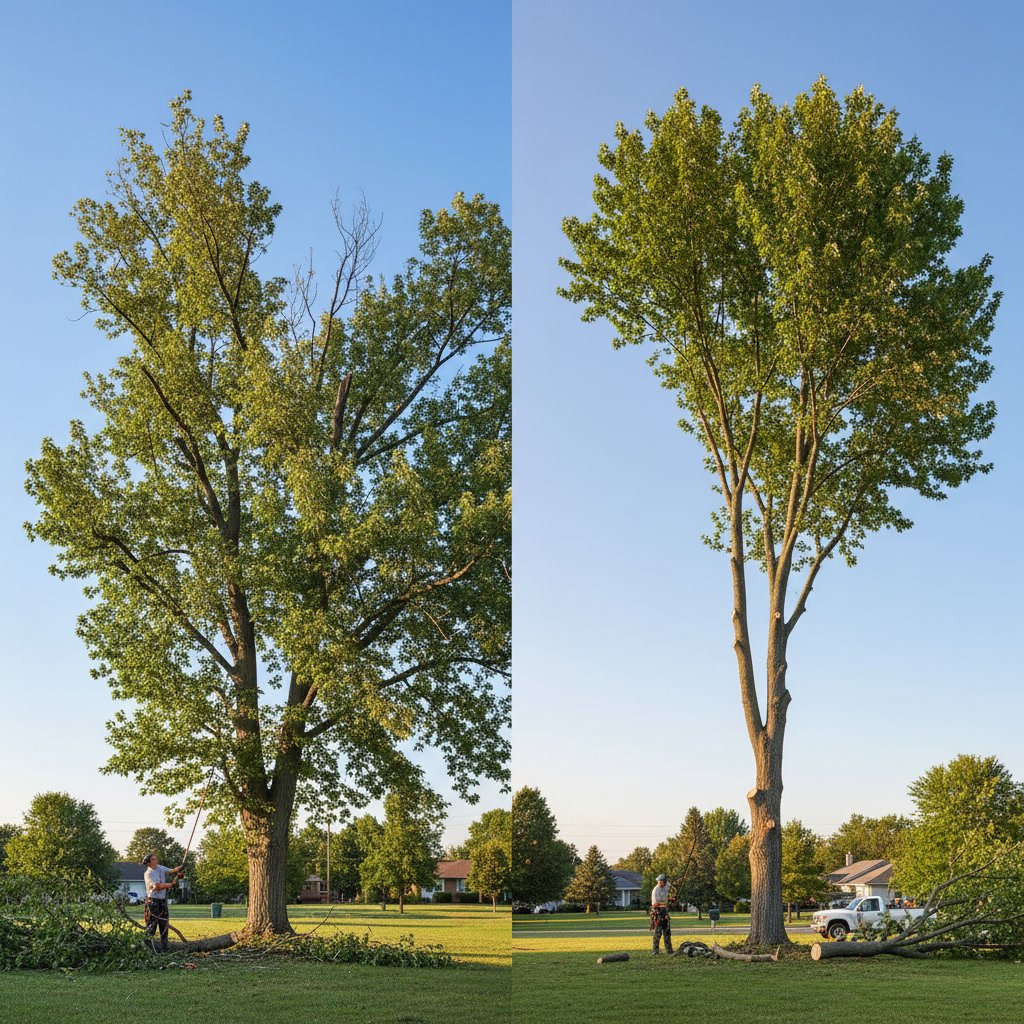
Regular tree maintenance, including proper pruning and health monitoring, reduces the likelihood of tree death and removal needs. Keeping trees healthy through professional tree trimming means fewer stumps to deal with over time.
Regional Pest Pressures in Central Maryland
Carroll County’s climate and soil conditions create favorable environments for both termites and wood-boring insects. The region’s humid summers and moderate winters allow termite colonies to remain active for most of the year, with peak swarming seasons in spring and fall.
Eastern subterranean termites, the dominant species in Maryland, cause an estimated $5 billion in property damage annually across the United States. Maryland ranks among the top 20 states for termite activity, making prevention especially important for local homeowners.
The mixed hardwood forests common throughout the area mean properties often have multiple trees and stumps. Without proper removal, yards can accumulate several stumps over the years, multiplying the pest risk exponentially.
Protecting Your Investment Through Proactive Tree Care
Your home represents your largest financial investment, and protecting it from pest damage should be a priority. Stump removal is a straightforward, affordable preventive measure that eliminates a major pest attractant before problems begin.
Professional tree care companies have the equipment and expertise to remove stumps safely and completely. Stump grinders use rotating cutting wheels with carbide teeth to pulverize wood and roots, a task that’s nearly impossible to accomplish with manual tools or household equipment.
Attempting DIY stump removal with chemicals, fire, or hand tools often creates more problems than it solves. Incomplete removal leaves decaying roots that continue attracting pests, while improper techniques can damage underground utilities, irrigation systems, or nearby structures.
Licensed professionals carry insurance and follow safety protocols that protect both workers and property. They also understand local soil conditions, root structures, and the most effective grinding depths for different tree species.
Taking Action to Safeguard Your Property
Removing stumps promptly after tree removal or storm damage protects your home from termite infestations, carpenter ant colonies, and wood-boring beetle damage. The modest cost of professional grinding delivers substantial value by eliminating pest habitats, improving property appearance, and preventing thousands of dollars in potential repair bills.
Whether you have a single stump from a recently removed tree or multiple stumps accumulated over years, addressing them now reduces your pest risk significantly. The longer stumps remain in place, the more likely they are to support insect colonies that can spread to your home.
Abba Chief Tree Service provides expert stump removal throughout Westminster and surrounding areas, using professional-grade equipment to eliminate stumps completely and safely. Our experienced team understands the connection between untreated stumps and pest problems, and we work efficiently to protect your property from these hidden threats. Contact us at +14435367420 to schedule an assessment and get a detailed quote for removing stumps from your property.