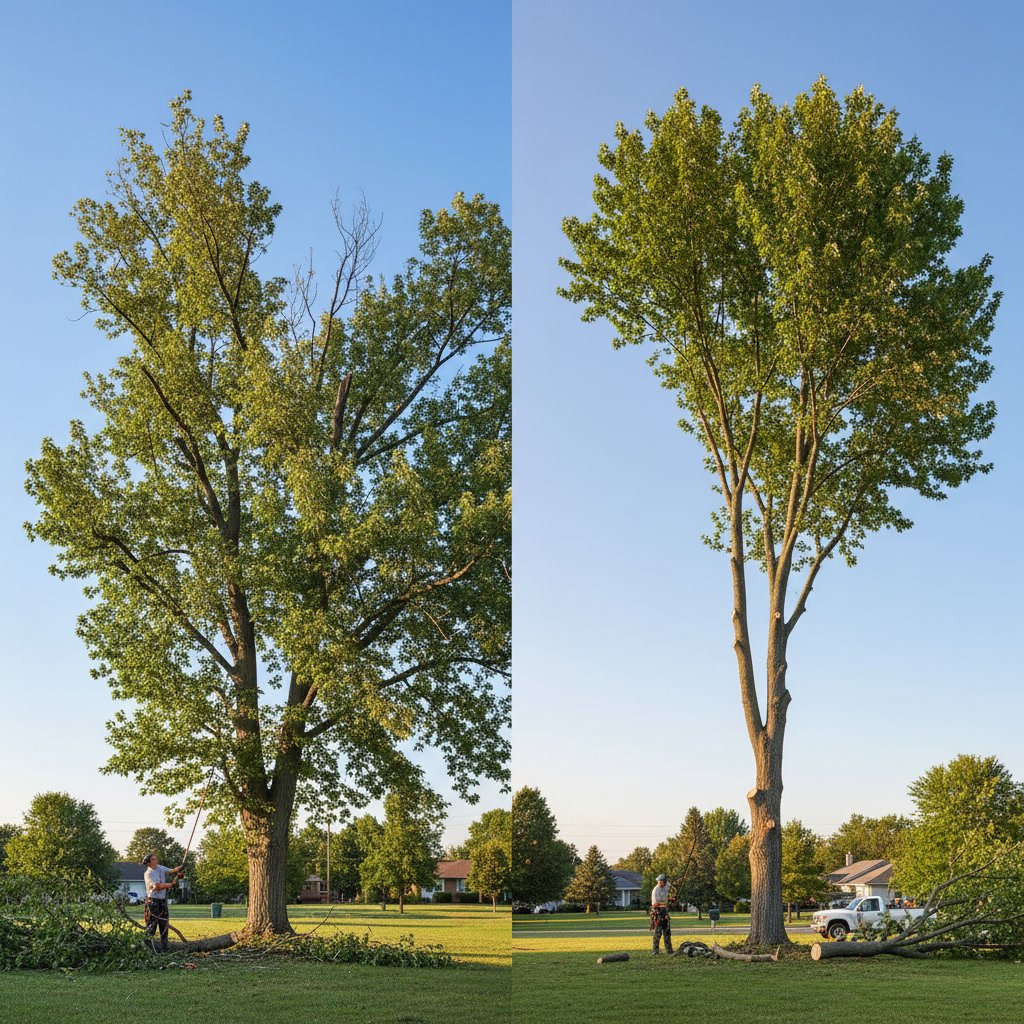
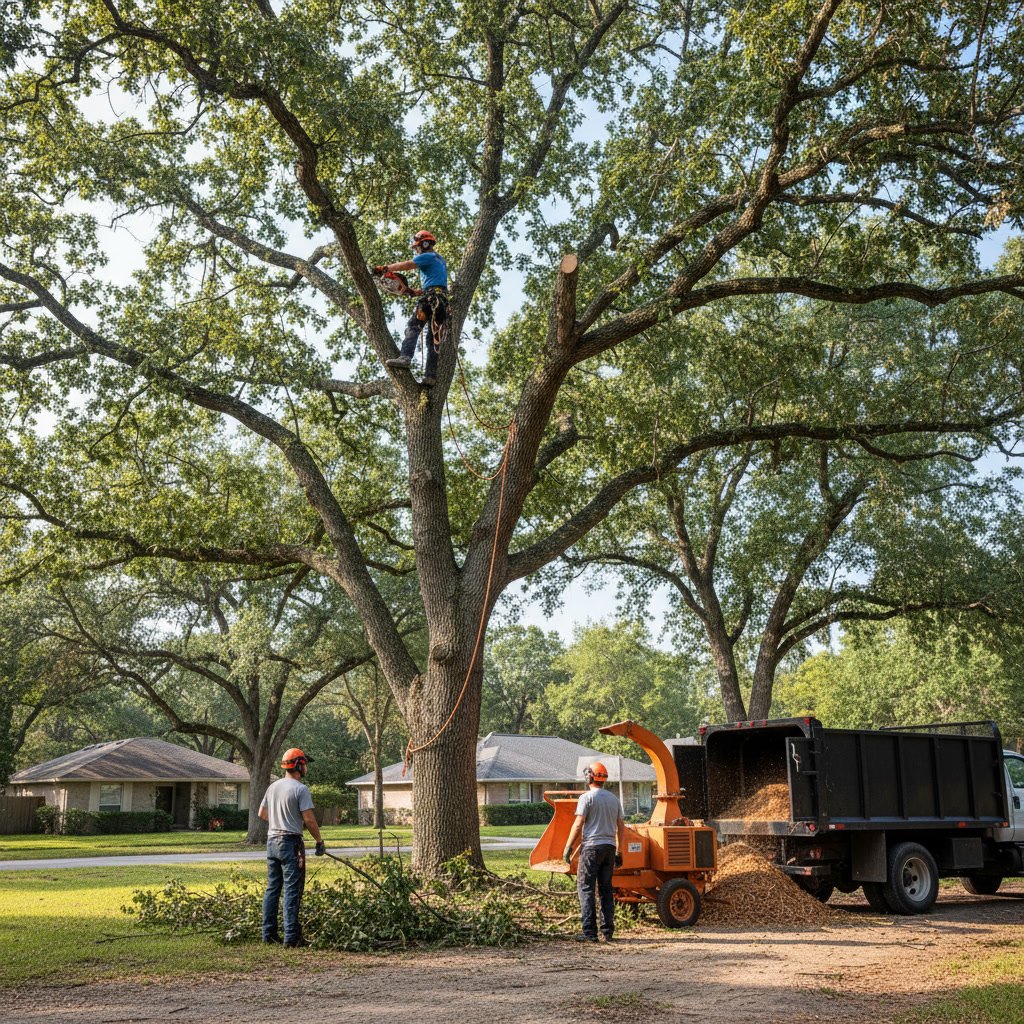
Regular tree trimming does more than keep your yard looking neat. Strategic pruning removes diseased branches, increases air circulation, and strengthens structural integrity, helping your trees resist infection and live longer. Understanding how tree trimming improves health gives property owners the tools to protect their investment and maintain vibrant landscapes for decades.
Why Healthy Trees Require Regular Maintenance
Trees growing in natural forests shed weak branches through wind and storm events, maintaining their own balance without human intervention. Urban and suburban trees face a different reality. They compete for sunlight with buildings, grow in compacted soil, and endure pollution that weakens their natural defenses. Without periodic pruning, these stressors accumulate into serious health problems.
Neglected trees develop dense canopies that trap moisture and block sunlight from reaching inner branches. This environment creates ideal conditions for fungal spores and bacterial infections to take hold. Dead wood accumulates in the crown, draining energy from healthy growth and providing entry points for pests and pathogens.
The Science Behind Pruning and Disease Prevention
When certified arborists remove branches, they create wounds that trees seal through a process called compartmentalization. Healthy trees form protective barriers around cuts, isolating potential infection sites from the rest of the vascular system. This natural defense only works when cuts are made correctly, at the right time of year, and on trees with sufficient vigor to respond.
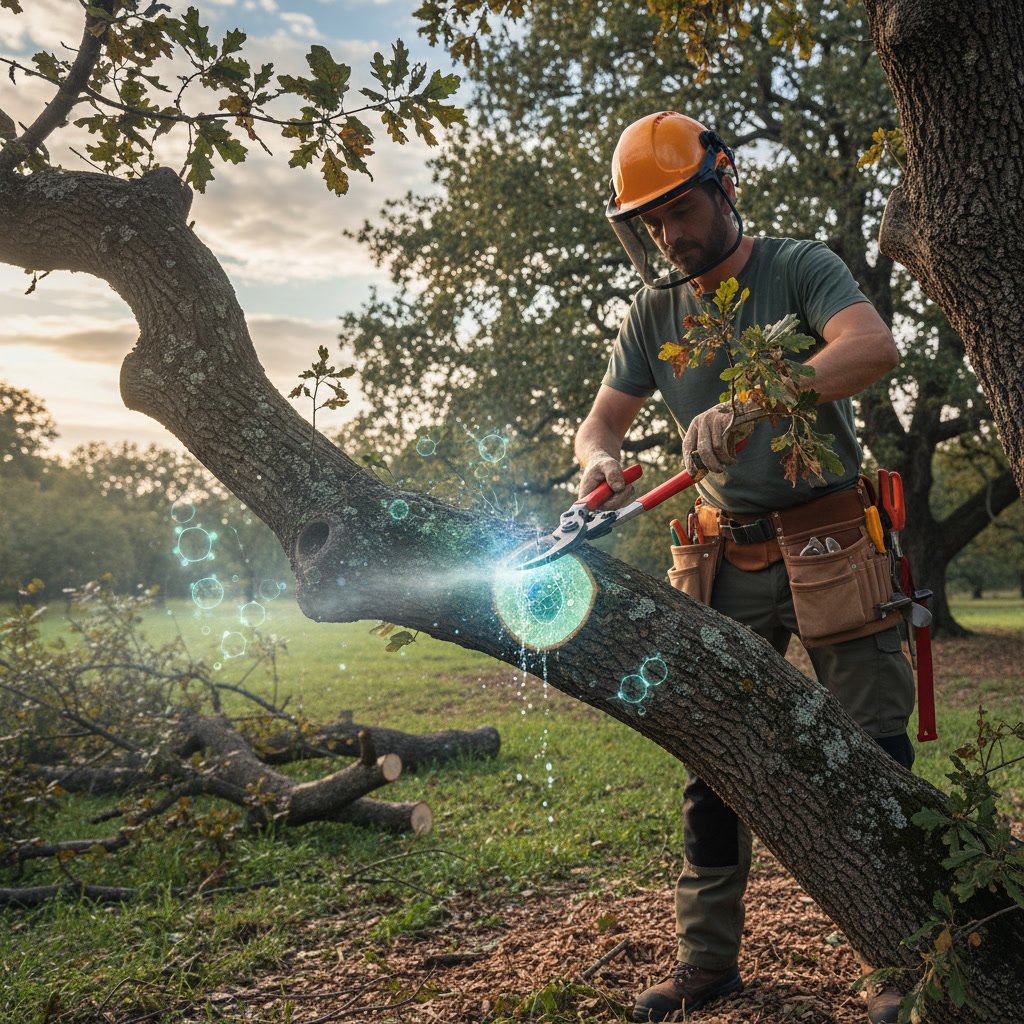
Proper pruning cuts respect the branch collar, the swollen area where a branch meets the trunk or parent limb. Cutting too close removes the tree’s ability to seal the wound effectively. Leaving a stub prevents proper closure and creates a perfect landing zone for decay organisms. The difference between a clean cut and a poor one can determine whether a tree thrives or slowly declines over the next decade.
How Removing Diseased Wood Stops Infection Spread
Many tree diseases spread through direct contact between infected and healthy tissue. Fire blight, anthracnose, and various canker diseases move from branch to branch when left unchecked. Removing symptomatic branches before spores mature breaks the infection cycle and protects the remaining canopy.
Timing matters significantly. Pruning diseased oak branches during the growing season can attract beetles that carry oak wilt, a lethal fungal disease. Waiting until dormancy protects the tree from secondary infections. Professional tree trimming services understand these seasonal risks and schedule work accordingly.
Tools must be sanitized between cuts when working with infected trees. A single pair of contaminated shears can spread disease to every tree on a property in one afternoon. Using a 10% bleach solution or 70% alcohol between cuts eliminates this risk.
Improving Air Circulation Through Strategic Thinning
Dense canopies hold moisture long after rain stops, creating humid microclimates where fungal diseases flourish. Selective thinning opens the crown structure, allowing wind to pass through and sunlight to penetrate. This reduces the duration that leaves stay wet, which directly correlates with lower infection rates for powdery mildew, leaf spot, and rust diseases.
The goal is not to remove excessive amounts of foliage. A general guideline suggests removing no more than 25% of a tree’s crown in a single year. Over-pruning stresses trees and triggers watersprout growth, those vertical shoots that emerge rapidly and grow weakly attached. These fast-growing branches become future maintenance problems and structural hazards.
Structural Pruning for Long-Term Vitality in Westminster
Young trees benefit enormously from early structural pruning that establishes a strong framework. Correcting co-dominant leaders, those two stems competing to become the main trunk, prevents future splitting that opens the heartwood to decay. Removing crossing branches eliminates wounds caused by constant rubbing during wind events.
Property owners throughout Westminster, MD can extend tree lifespan by decades through proactive structural work. Trees pruned properly in their first 15 years develop balanced architecture that resists storm damage and requires less intervention as they mature.
Five Key Benefits of Professional Pruning Services
Understanding specific advantages helps property owners prioritize this essential maintenance task:
- Enhanced nutrient distribution: Removing deadwood redirects water and minerals to productive branches that support photosynthesis and growth.
- Reduced pest habitat: Many wood-boring insects prefer stressed or dying branches. Eliminating these targets removes breeding sites before infestations establish.
- Increased fruit production: Fruit trees require specific pruning techniques to balance vegetative growth with reproductive energy, resulting in larger yields of higher quality fruit.
- Better storm resilience: Reducing end weight on long branches and eliminating weak attachments dramatically lowers breakage risk during severe weather.
- Extended tree lifespan: Regular maintenance prevents small problems from becoming structural failures that necessitate complete removal.
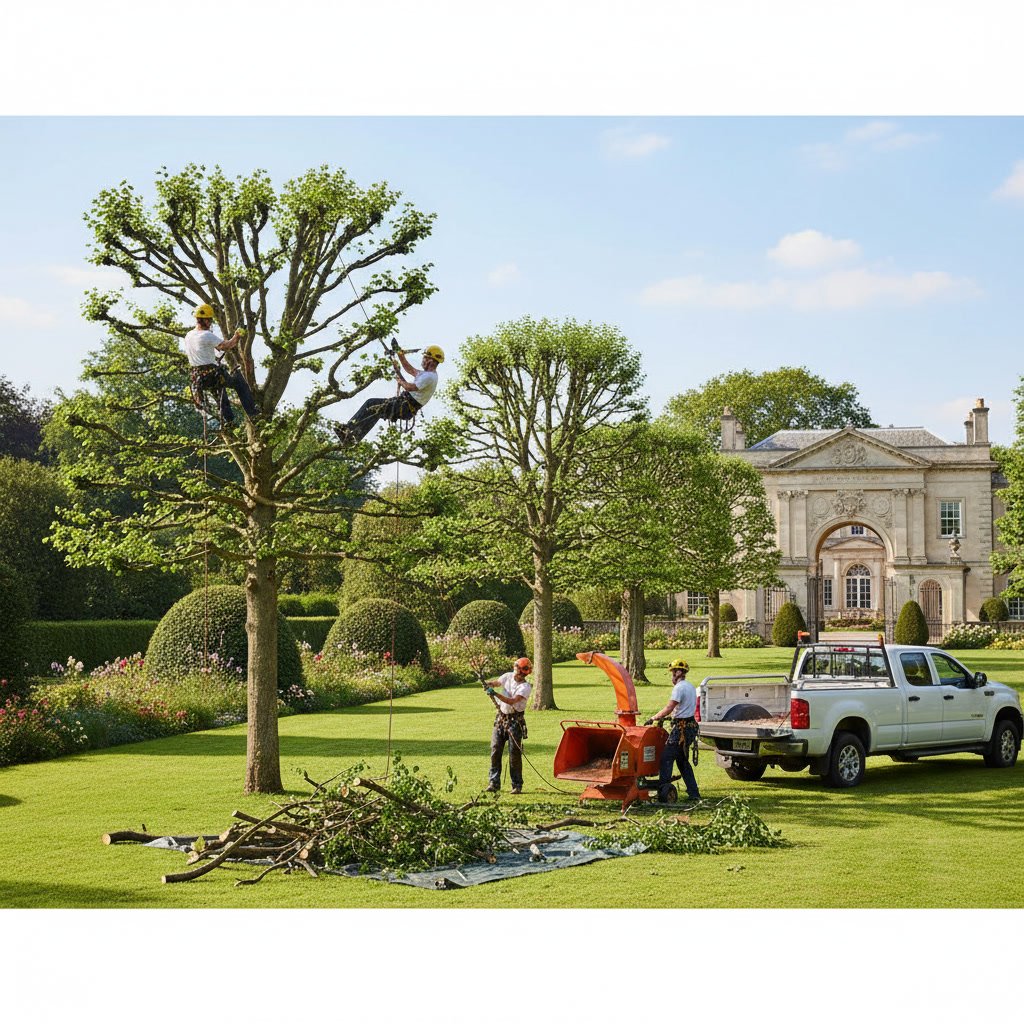
These benefits compound over time. A tree receiving consistent care from age five to age 50 will outperform and outlive a similar specimen that only receives attention during crisis situations.
Recognizing When Your Trees Need Attention
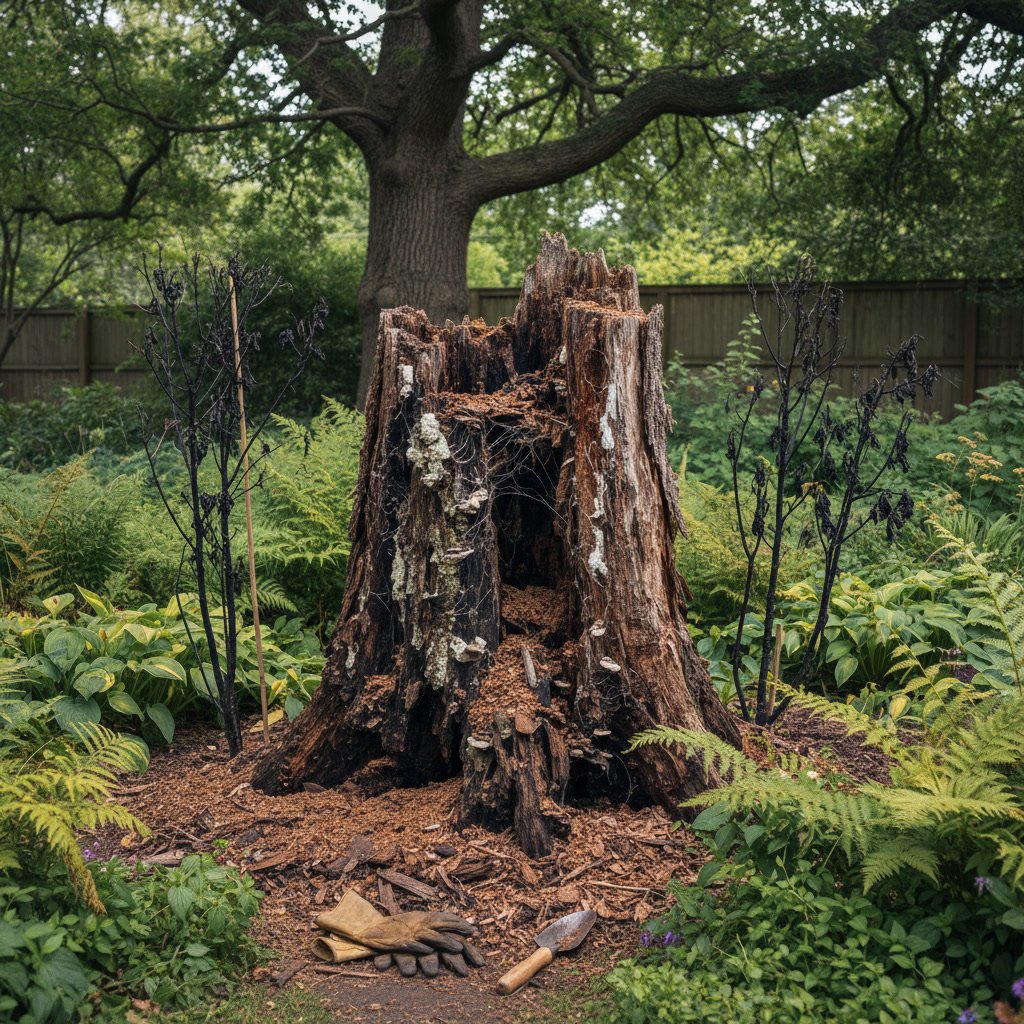
Several visual cues indicate trees would benefit from professional evaluation. Dead branches retain brown leaves through winter while surrounding limbs remain bare. Cankers appear as sunken, discolored areas on bark, often oozing sap. Fungal fruiting bodies, mushrooms growing on trunks or at the base, signal internal decay that may not be visible from the outside.
Sudden leaf drop during the growing season, especially when accompanied by yellowing or brown spots, suggests disease or pest problems that pruning can help manage. Crossing branches that have worn through bark create wounds that never fully heal without intervention.
After significant weather events, trees throughout areas like Hampstead and Sykesville often sustain damage that requires prompt attention. Our related guide on handling storm-damaged trees provides additional context for these urgent situations.
Seasonal Timing for Optimal Results
Late winter ranks as the ideal pruning window for most deciduous species. Trees are dormant, wounds seal quickly when growth resumes in spring, and the absence of leaves makes structural issues easy to identify. Maples and birches are exceptions, as they bleed sap profusely when cut in late winter. These species fare better with summer or fall pruning after leaves have fully expanded.
Evergreens tolerate pruning during their dormant period, typically late fall through early spring. Pines should only be pruned when new growth, called candles, is actively elongating in late spring. This precise timing allows you to control the tree’s size while maintaining its natural appearance.
Emergency situations override seasonal preferences. If a branch threatens structures or utility lines, immediate removal takes priority regardless of calendar date. Professional emergency tree service providers respond quickly to mitigate safety hazards while minimizing stress to the tree.
How Crown Raising and Crown Reduction Differ
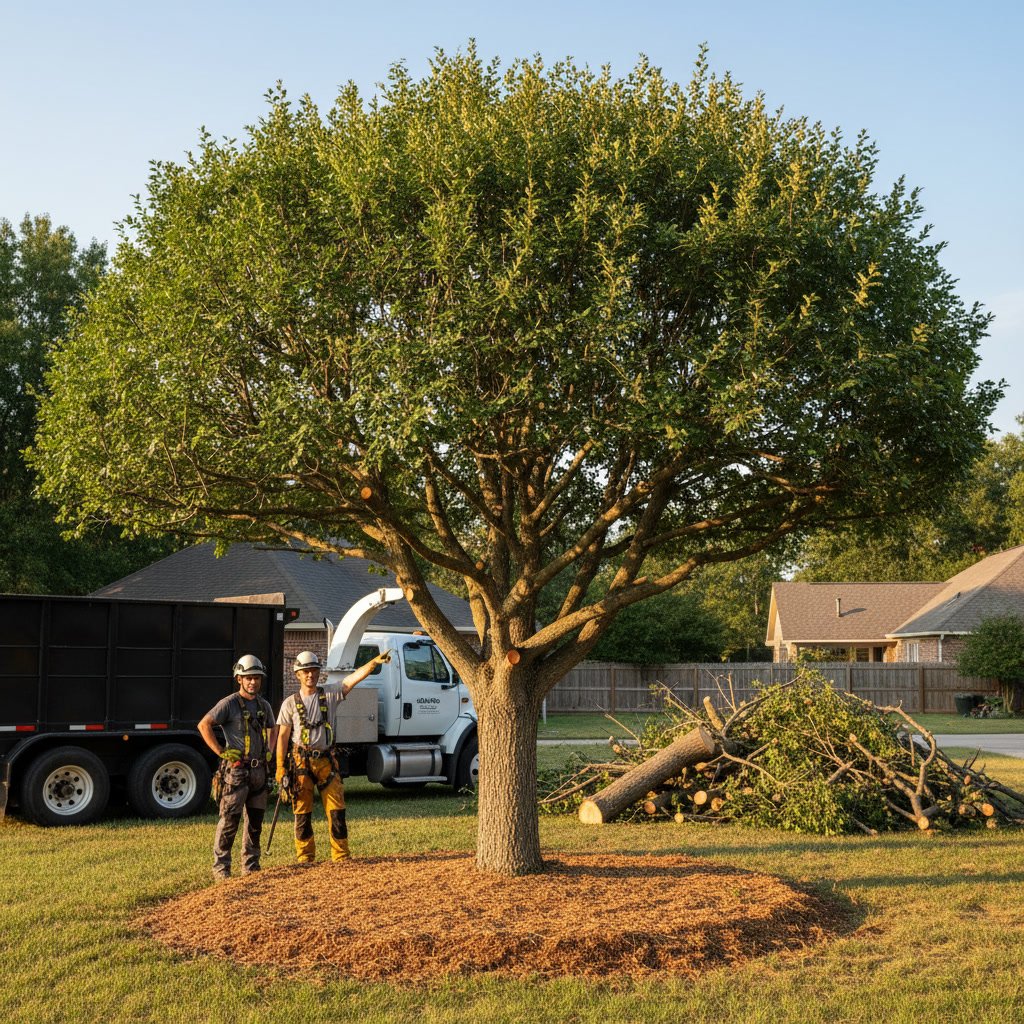
Crown raising removes lower branches to provide clearance over sidewalks, driveways, or structures. This technique improves sight lines and allows mowing equipment to pass beneath without damage. The practice should be gradual, never removing so much lower canopy that the tree becomes top-heavy and unstable.
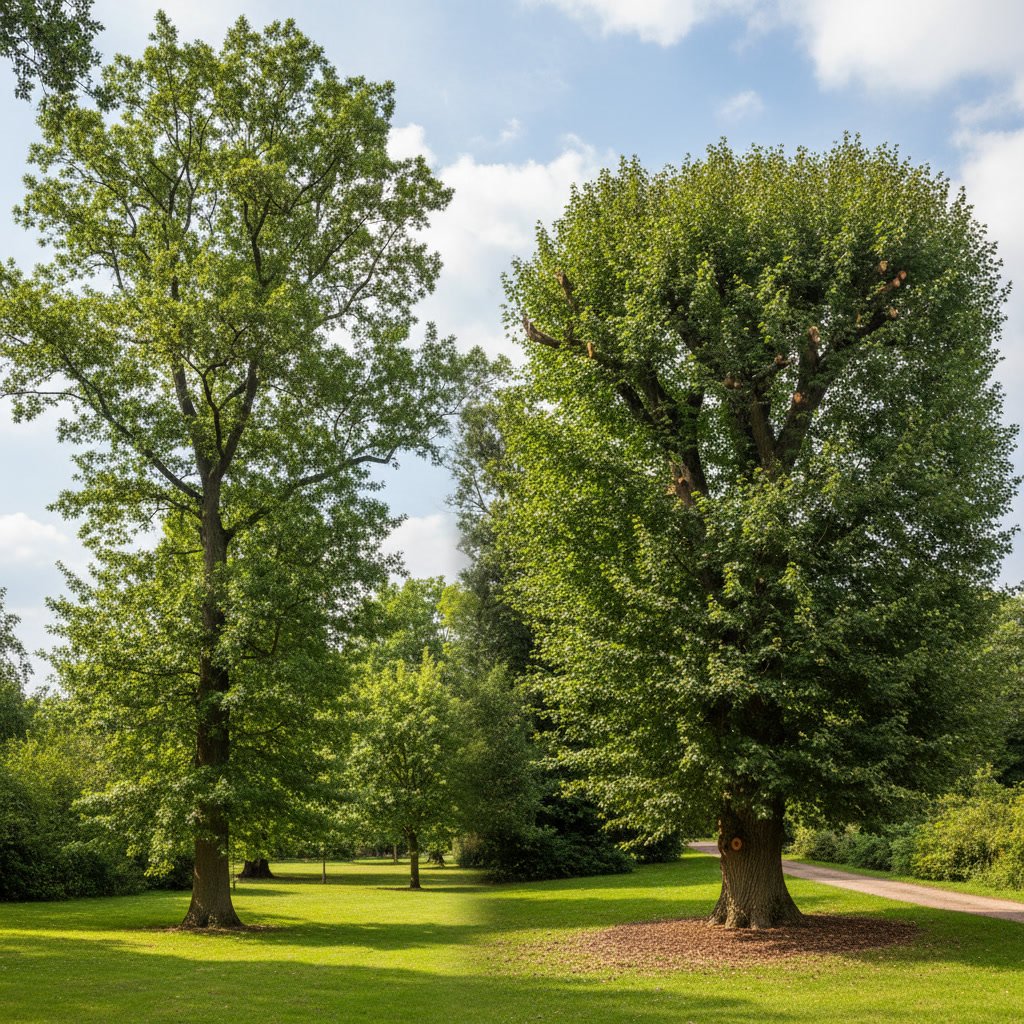
Crown reduction decreases overall tree height or spread by cutting back to lateral branches at least one-third the diameter of the removed section. This maintains natural form while making trees more proportionate to their site. Topping, the harmful practice of cutting main stems to stubs, should never be performed as it destroys tree structure and invites massive decay.
The Role of Proper Equipment and Expertise
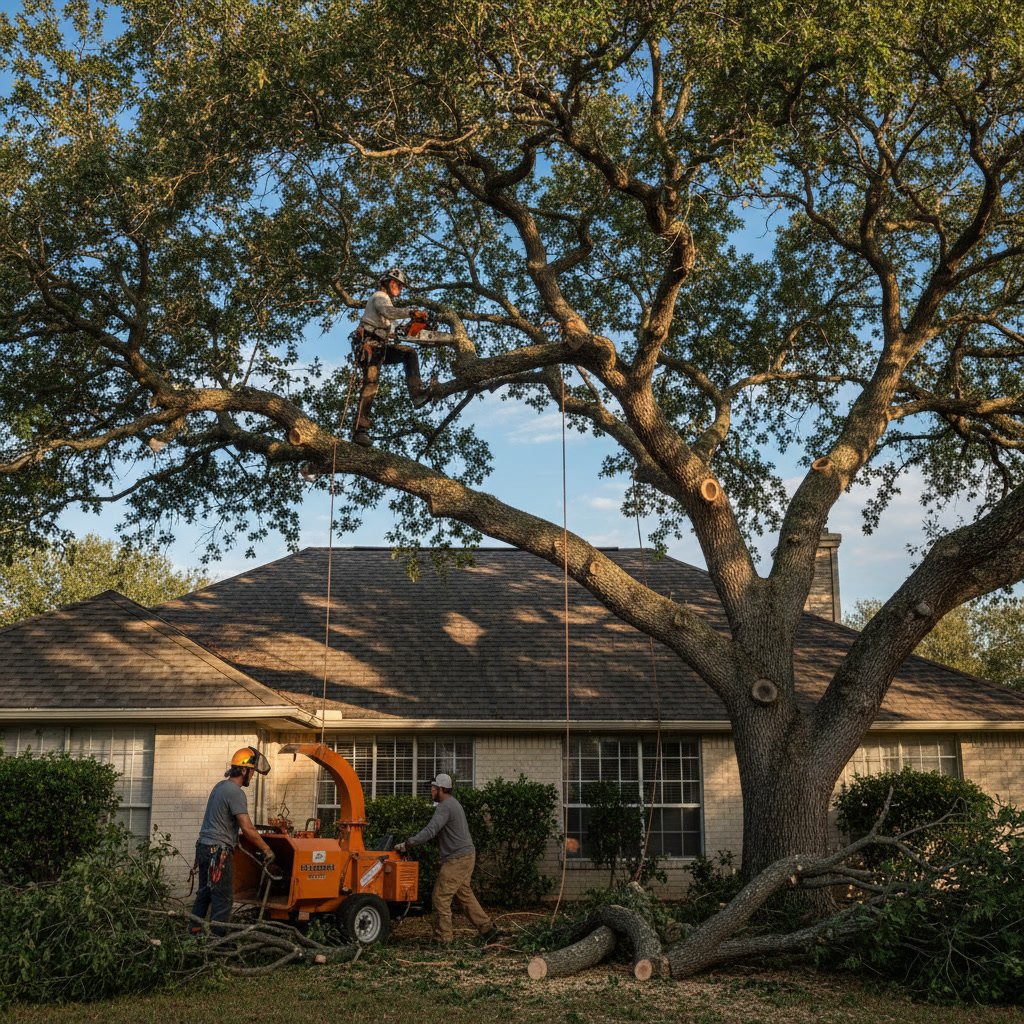
Professional arborists use tools designed specifically for clean cuts that heal rapidly. Hand pruners handle branches up to three-quarters of an inch, loppers work on stems up to two inches, and pruning saws cut larger wood without tearing bark. Pole saws extend reach into the canopy while chainsaws tackle major limbs safely from bucket trucks or with climbing equipment.
Sharp blades make all the difference. Dull tools crush and tear tissue instead of slicing cleanly, leaving ragged wounds that struggle to compartmentalize. Certified arborists maintain their equipment rigorously, understanding that tool condition directly impacts tree health outcomes.
Training and certification ensure practitioners understand tree biology, disease identification, and species-specific needs. The International Society of Arboriculture credentials signal a professional has passed rigorous examinations covering these topics. Property owners should always verify credentials before allowing work to proceed.
Protecting Your Landscape Investment Through Regular Care
Mature trees add significant property value, often contributing 10% to 20% to real estate appraisals. This value disappears rapidly when trees decline from neglect or die from preventable diseases. Establishing a three to five-year pruning cycle maintains tree health cost-effectively compared to emergency removals or property damage from failed limbs.
Documentation helps track which trees received attention and what work was performed. Photographs taken before and after pruning provide a visual record of improvement and help identify trees that may need more frequent intervention. This organized approach prevents trees from being overlooked until problems become severe.
Abba Chief Tree Service maintains detailed records for clients, ensuring each tree receives appropriate care at optimal intervals. Proactive maintenance costs a fraction of reactive crisis management while delivering superior results for tree longevity and landscape aesthetics.
Making Trees a Long-Term Asset
Trees represent living investments that increase in value as they grow, provided they remain healthy and structurally sound. Regular pruning is the single most effective practice property owners can implement to protect this investment. By removing disease, improving structure, and enhancing vigor, strategic trimming extends tree life and maintains the beauty that makes properties desirable.
The connection between proper pruning and disease prevention is direct and measurable. Trees receiving professional care show lower infection rates, recover more quickly from environmental stress, and contribute more years of shade, beauty, and environmental benefits to their surroundings.
Whether you manage a residential landscape or oversee commercial property, partnering with experienced arborists ensures your trees receive the specialized attention they require. Our team at Abba Chief Tree Service brings years of expertise to every project, combining technical knowledge with a genuine commitment to tree health and client satisfaction. Contact us at +14435367420 to schedule an evaluation and discover how professional pruning can transform your landscape.