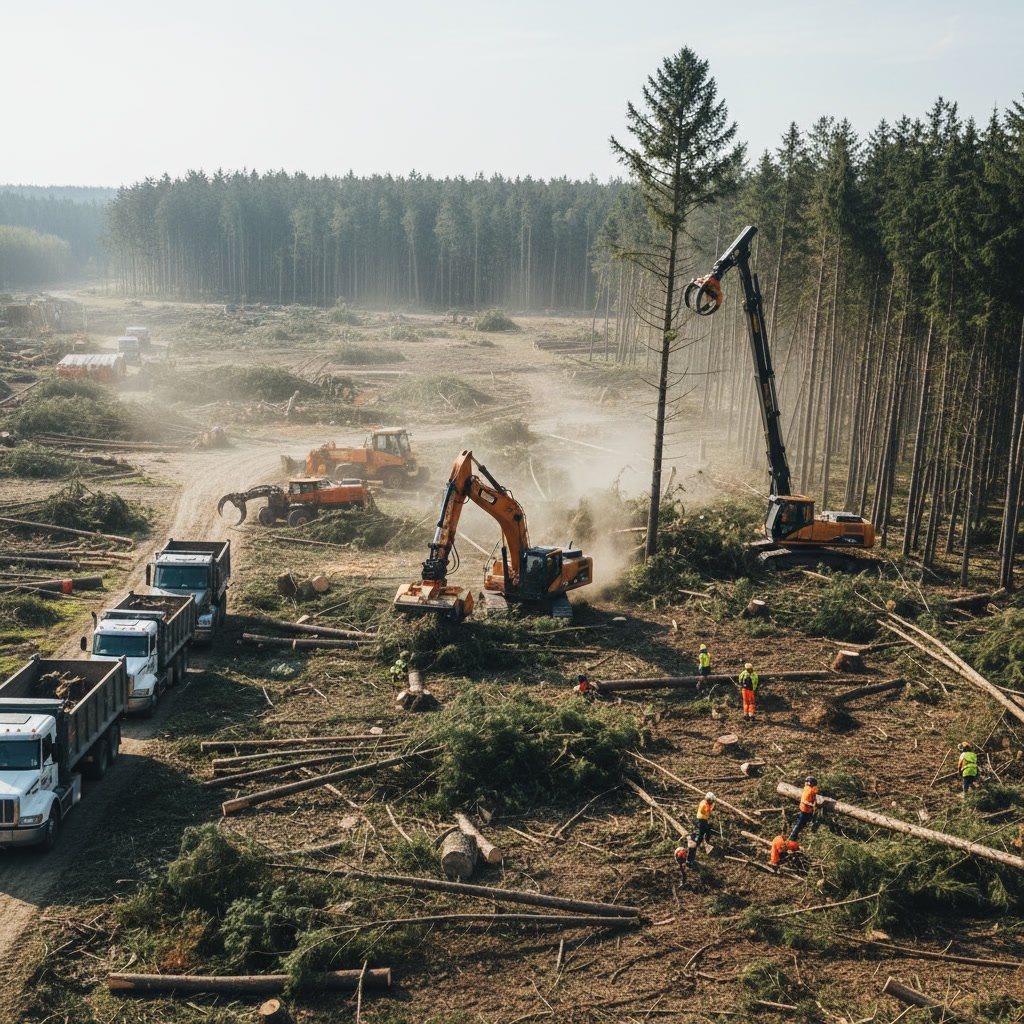
Overgrown vegetation, unwanted trees, and dense brush can transform a property from a valuable asset into an underutilized burden. Many property owners face this challenge without knowing where to start or what options exist. If you’ve ever looked at a piece of land and wondered how to make it usable, productive, or safe, you’re asking the right questions about land management.
This guide explains what is land clearing, when your property needs it, and how professional services handle the process from start to finish. Whether you’re preparing land for construction, improving pasture for livestock, or simply reclaiming overgrown areas around your home, understanding the fundamentals of land clearing helps you make better decisions about your property.
Defining Land Clearing and What It Involves
Land clearing is the systematic removal of trees, stumps, brush, rocks, and other vegetation from a piece of property. The goal is to transform raw or overgrown land into a clean, usable space suited for a specific purpose. This process goes beyond simple tree cutting and involves comprehensive site preparation that addresses everything from the canopy down to the root systems below ground.
Professional land clearing typically includes several distinct phases. First, vegetation assessment determines what needs removal and what might stay. Second, the actual clearing work removes trees, brush, and undergrowth using specialized equipment. Third, stump removal eliminates below-ground obstacles that could interfere with future land use. Finally, grading and debris removal leave the site ready for its intended purpose.
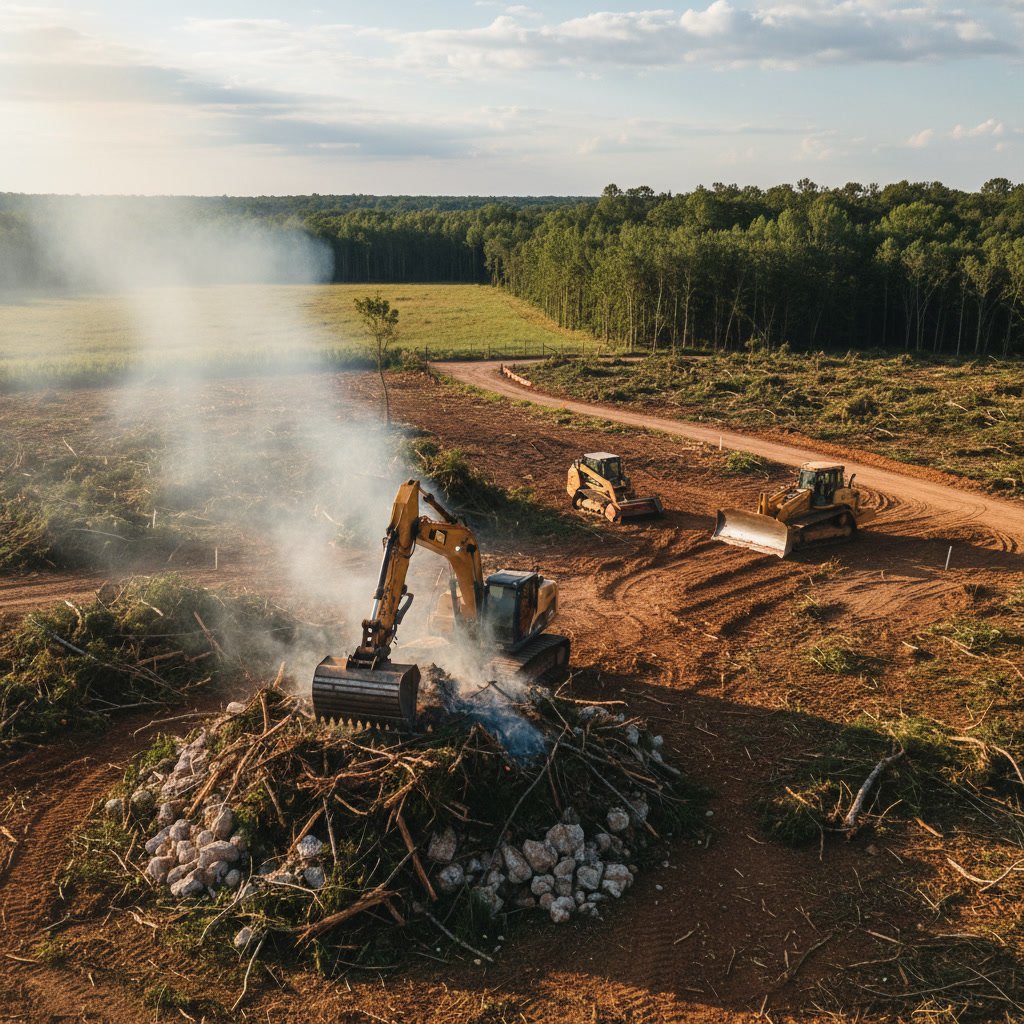
The specific methods and equipment used depend on property size, terrain, vegetation density, and the end goal. Small residential projects might require only a few pieces of equipment and a couple of days, while large commercial clearing jobs can involve excavators, mulchers, bulldozers, and weeks of work.
Common Reasons Property Owners Need Land Clearing
Understanding when you need land clearing helps you recognize the right time to contact professionals. Several scenarios frequently call for comprehensive clearing services in Westminster, MD and surrounding areas.
Construction and Development Projects
Building a new home, garage, barn, or commercial structure requires a clean foundation. Land clearing creates the blank canvas builders need, removing obstacles and establishing proper drainage patterns. Even additions to existing structures often require some degree of clearing to accommodate new footprints and access routes.
Developers working on subdivisions or commercial properties need extensive clearing to transform raw land into buildable lots. This work must meet local regulations and often involves coordination with surveyors, engineers, and municipal authorities.
Agricultural and Pasture Improvement
Farmers and hobby farm owners frequently need clearing services to expand pastures, create new fields, or reclaim land that has become overgrown. Brush and invasive species can quickly overtake agricultural land, reducing usable acreage and limiting livestock grazing areas.
Clearing for agricultural purposes requires careful attention to soil preservation. Professional services remove unwanted vegetation while protecting topsoil quality and preventing erosion that could damage the land’s productivity.
Fire Prevention and Safety
Dense vegetation close to structures creates significant fire hazards, particularly during dry seasons. Creating defensible space through selective clearing reduces the risk of wildfires spreading to homes and outbuildings. This is especially important for rural properties surrounded by wooded areas.
Property owners in fire-prone regions often maintain cleared perimeters around buildings, keeping combustible vegetation at safe distances. Regular maintenance of these cleared zones provides ongoing protection.
Property Access and Utility Installation
Installing driveways, access roads, utility lines, septic systems, and wells all require cleared pathways. These projects need more than just a mowed path; they require removal of stumps and roots that could interfere with underground installations or damage paved surfaces over time.
Utility companies often contract clearing services to establish rights-of-way for power lines, gas lines, and other infrastructure. Property owners benefit from similar clearing when bringing utilities to previously undeveloped portions of their land.
Signs Your Property Needs Professional Land Clearing
Recognizing the indicators that your property would benefit from clearing services helps you address issues before they become expensive problems. Several clear signs point to the need for professional intervention.
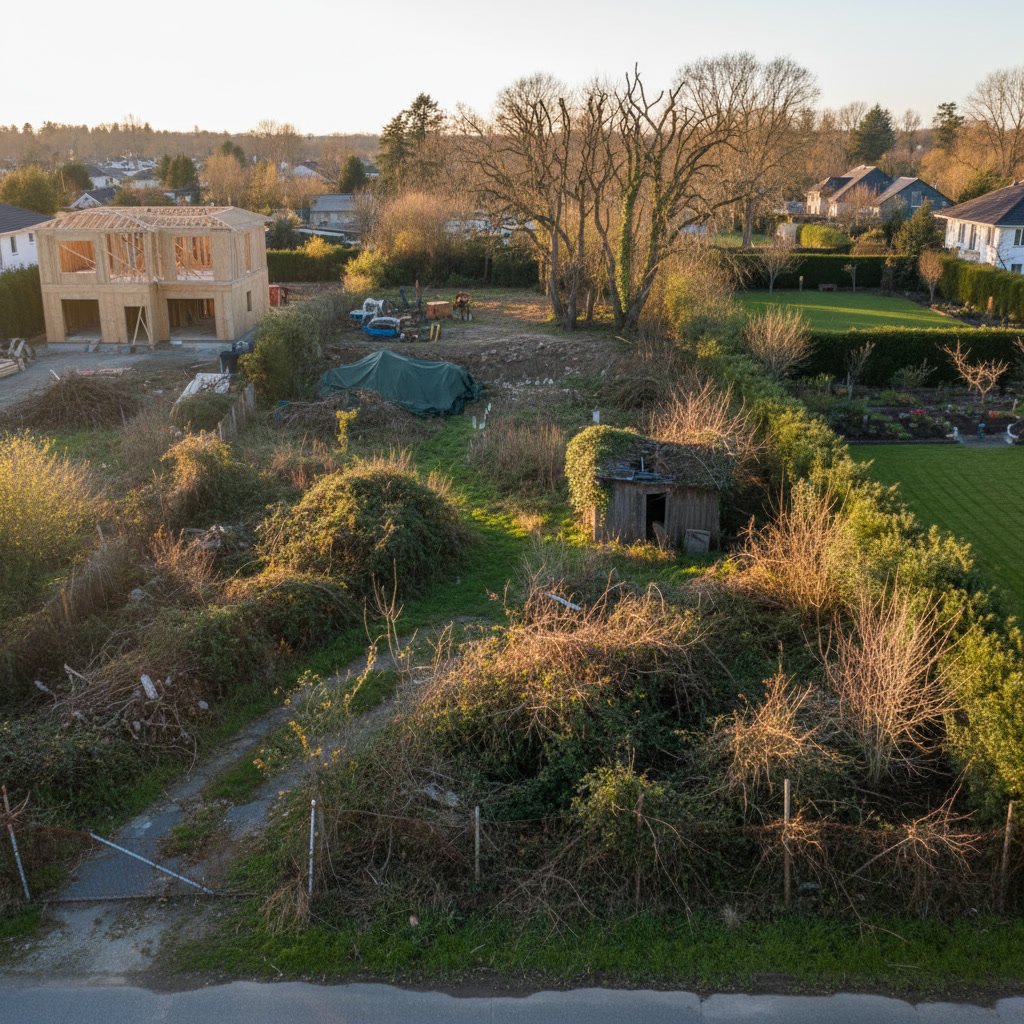
Overgrown vegetation that encroaches on structures, driveways, or maintained areas suggests the need for clearing. When brush and saplings begin reclaiming previously open spaces, they create maintenance headaches and reduce property usability. Left unchecked, this growth can damage buildings, block access routes, and harbor pests.
Dead, diseased, or hazardous trees scattered across your property represent both safety risks and obstacles to land use. A single dangerous tree might only require tree trimming, but multiple problem trees across a large area often indicate the need for comprehensive clearing.
Pro Tip: If you can’t easily walk through portions of your property due to dense undergrowth, or if you’ve lost sight of property boundaries due to vegetation, it’s time to consider professional land clearing services.
Drainage problems frequently stem from vegetation blocking natural water flow. If you notice standing water, erosion, or flooding in areas that previously drained well, overgrown vegetation might be redirecting water in problematic ways. Clearing can restore proper drainage patterns and prevent water damage.
Planning any construction, landscaping, or agricultural project naturally triggers the need for clearing. Rather than attempting to work around existing vegetation, starting with a properly cleared site saves time, money, and frustration throughout the project.
The Land Clearing Process From Start to Finish
Professional land clearing follows a systematic approach that ensures thorough results while protecting your property. Understanding this process helps you prepare and know what to expect.
Initial Assessment and Planning
The process begins with a site visit where professionals evaluate the property, identify obstacles, assess terrain challenges, and understand your goals. This assessment informs equipment choices, timeline estimates, and cost projections. Professionals also identify any trees or features you want preserved and plan clearing work around them.
During this phase, professionals check for utility lines, property boundaries, wetlands, and other factors that might affect clearing methods. Proper planning prevents costly mistakes and ensures compliance with local regulations.
Vegetation and Tree Removal
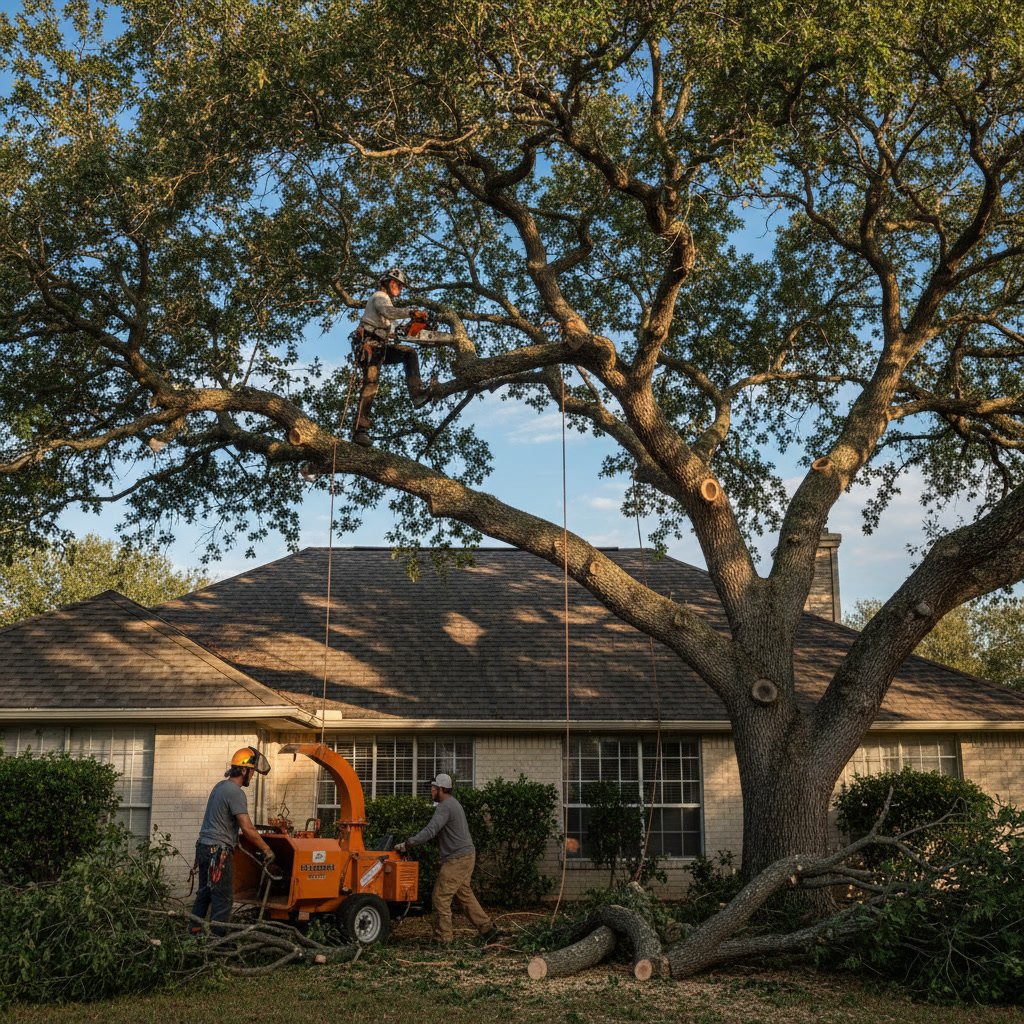
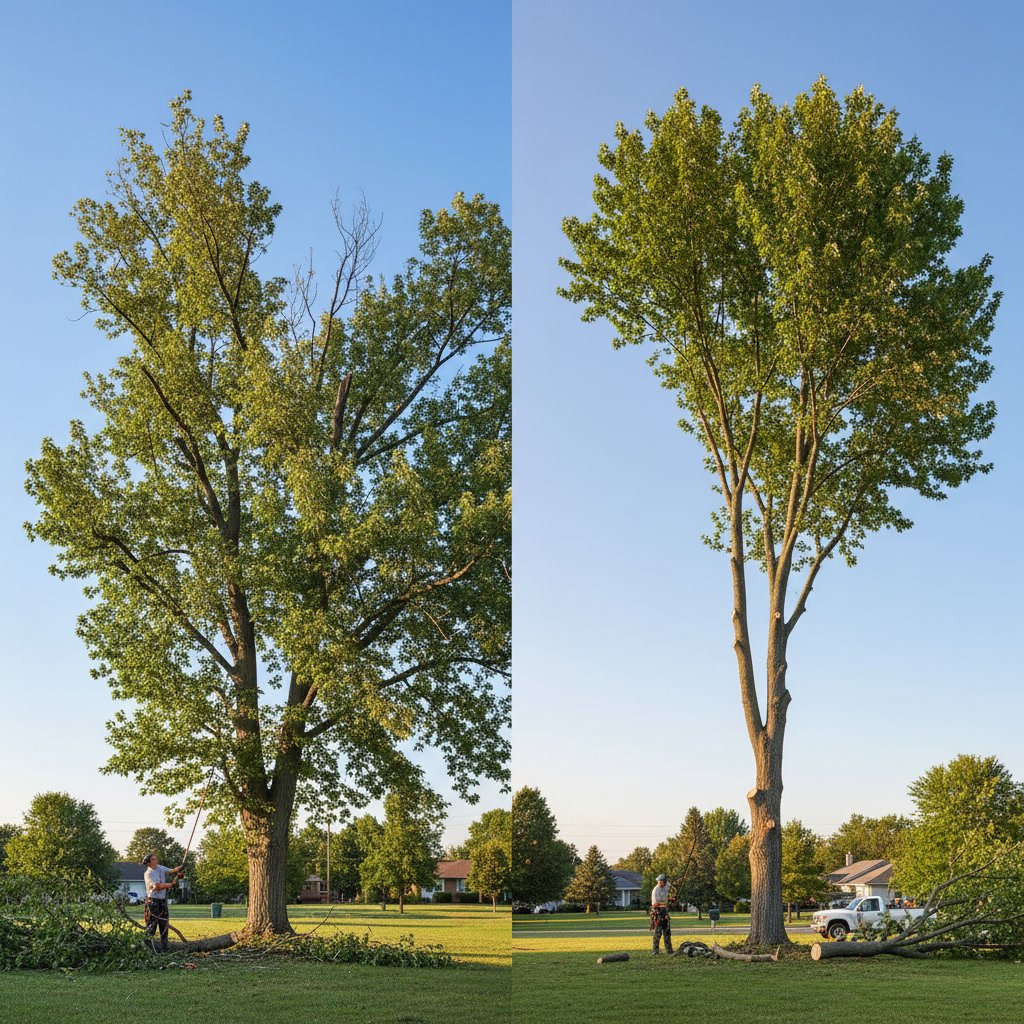
Once planning is complete, crews begin removing vegetation systematically. Small brush and undergrowth typically come out first, followed by larger shrubs and trees. Professionals use chainsaws, brush cutters, and forestry mulchers depending on the density and type of vegetation.
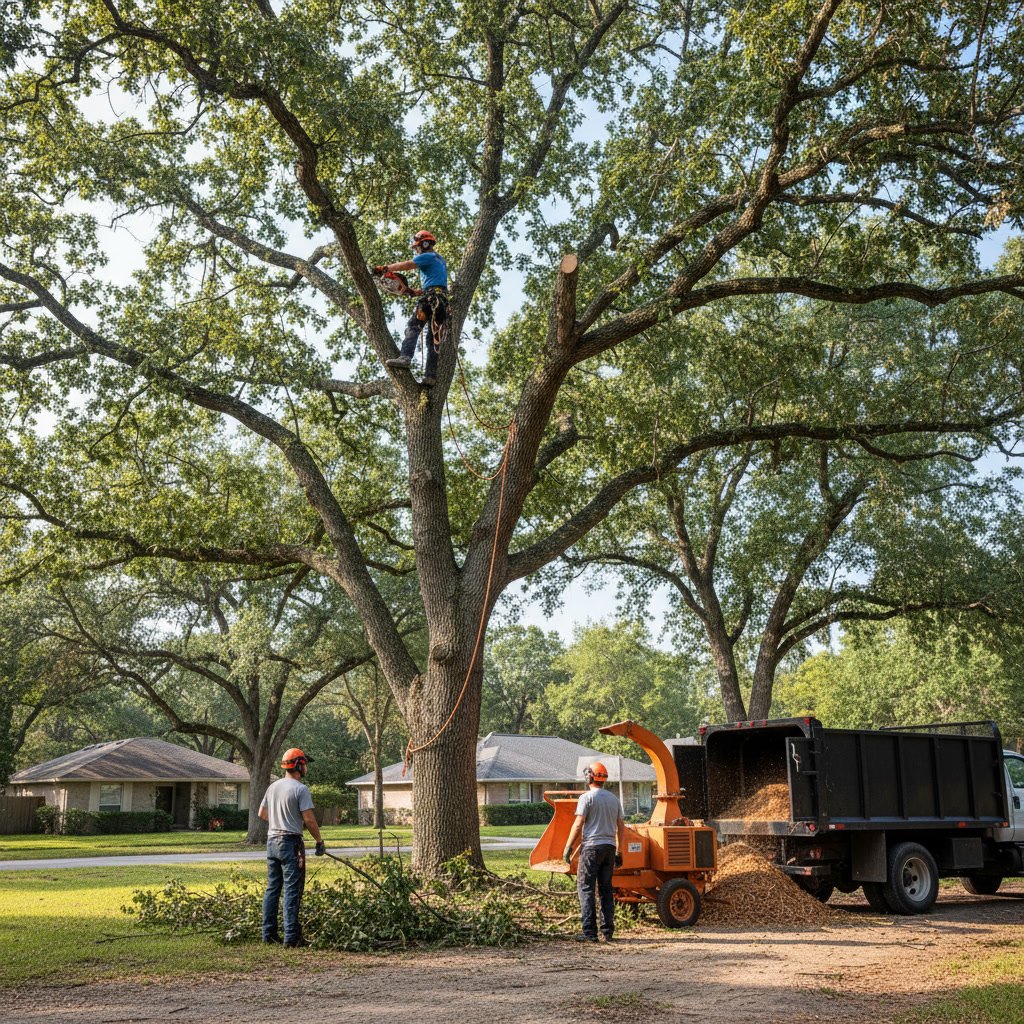
Trees are felled using techniques that protect surrounding areas and ensure worker safety. Large trees may be removed in sections to control where they fall and minimize impact on the site.
Stump Grinding and Root Removal
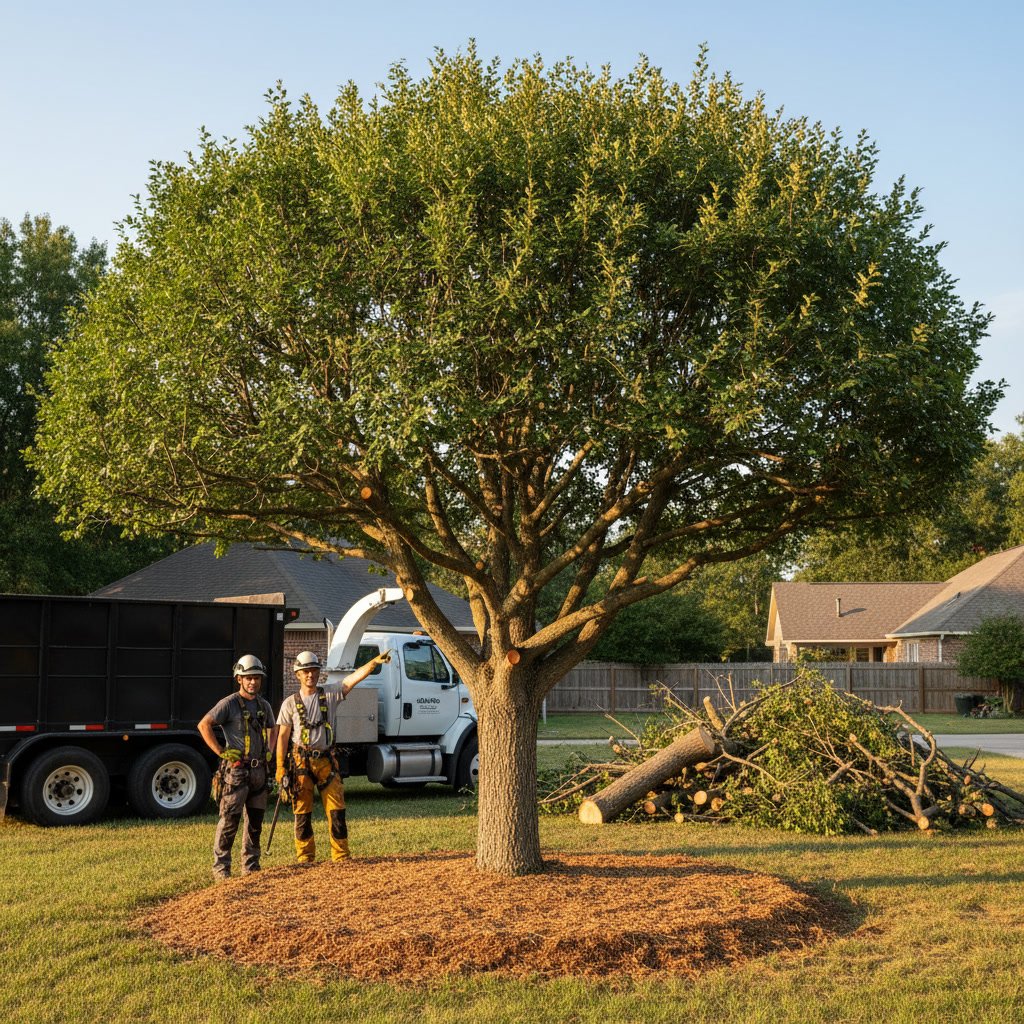
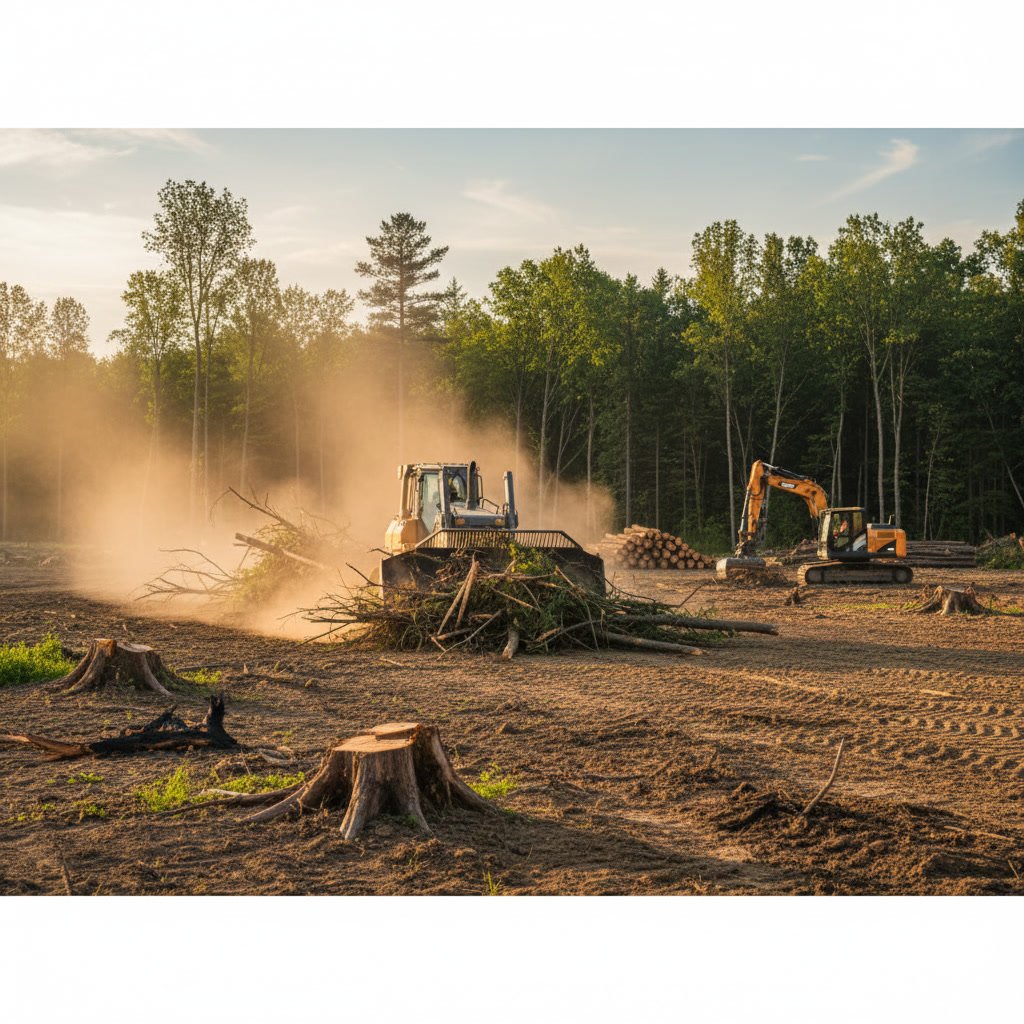
After trees come down, stumps remain as obstacles that interfere with most land uses. Professional stump grinding reduces these remnants to wood chips, eliminating trip hazards and freeing the space for other purposes. The depth of grinding depends on your plans; construction sites typically require deeper grinding than areas destined for lawns or landscaping.
For certain projects, complete root removal using excavation may be necessary. This more intensive process removes the entire root ball, ensuring no regrowth and eliminating any underground obstacles.
Debris Processing and Site Cleanup
Cleared vegetation creates substantial debris that must be processed and removed. Professionals typically chip brush into mulch, cut logs into manageable pieces for removal or firewood, and haul away materials you don’t want to keep on-site.
Some property owners choose to keep wood chips for mulching landscaped areas or logs for firewood. Final cleanup leaves the site ready for its next phase, whether that’s construction, grading, or planting.
Equipment Used in Professional Land Clearing
The right equipment makes land clearing efficient, safe, and thorough. Professional services employ specialized machinery suited to different clearing scenarios.
Forestry mulchers are highly efficient machines that grind trees, brush, and stumps into mulch in a single pass. These machines work well for large-area clearing and leave behind a layer of organic material that can benefit soil. They’re particularly effective in Eldersburg, MD and similar areas where property sizes vary widely.
Excavators with specialized attachments remove large trees, extract stumps, and handle heavy debris. These versatile machines can also perform grading work, making them valuable for projects that require both clearing and site preparation.
Bulldozers push over trees, move debris, and level cleared ground. They excel at large-scale clearing projects where significant earth moving accompanies vegetation removal. Skid steers offer similar capabilities on a smaller scale, making them ideal for residential properties and tight spaces.
Chainsaws, chippers, and stump grinders round out the equipment arsenal, handling tasks that larger machines can’t address efficiently. Professional crews match equipment to the job, bringing only what’s necessary to complete your specific project.
Land Clearing Costs and What Affects Pricing
Understanding what influences land clearing costs helps you budget appropriately and evaluate quotes from service providers. Several factors combine to determine final pricing.
Property size is the most obvious factor. Clearing one acre costs significantly less than clearing ten acres, though per-acre costs often decrease as project size increases. Companies typically quote large projects on a per-acre basis, while smaller residential jobs may be quoted as flat rates.
Vegetation density and type affect labor and equipment requirements. Light brush clears quickly and inexpensively, while dense forest with large hardwood trees requires more time and heavy equipment. Rocky terrain, steep slopes, and poor access also increase costs by complicating equipment operation.
The disposition of cleared materials influences pricing. If you want all debris hauled away, expect higher costs than if you’re keeping mulch and firewood on-site. Some projects generate enough usable wood to offset costs slightly through timber sales, though this is more common on large rural properties than suburban lots.
Permit requirements and regulatory compliance can add to project costs. Some municipalities require permits for significant clearing, especially in environmentally sensitive areas. Professional services handle these requirements, ensuring your project meets all local codes.
Key Takeaway: Obtain detailed written estimates that specify what’s included in the quoted price. This should cover vegetation removal, stump grinding depth, debris disposal, and site cleanup so you can compare quotes accurately.
Choosing Between DIY and Professional Land Clearing
Some property owners consider handling clearing work themselves to save money. While this approach works for very small projects, most land clearing exceeds the capabilities and equipment available to homeowners.
Small-scale brush clearing using hand tools makes sense for maintaining already-cleared areas or addressing minor overgrowth. If you can complete the work safely in a weekend with tools you own or can rent inexpensively, DIY might be appropriate.
However, projects involving multiple trees, stumps, steep terrain, or significant acreage quickly exceed DIY capabilities. Professional equipment completes in hours what would take weeks by hand. More importantly, professionals understand safe tree felling techniques, equipment operation, and local regulations that DIY enthusiasts often overlook.
The safety factor alone justifies professional services for most clearing projects. Tree removal and heavy equipment operation both carry serious injury risks. Professionals carry insurance to protect you from liability if accidents occur, while DIY work leaves you personally responsible for any property damage or injuries.
After severe weather, combining storm damage cleanup with planned clearing work can address immediate hazards while preparing your property for future use. This integrated approach saves time and money compared to handling projects separately.
Environmental Considerations in Land Clearing
Responsible land clearing balances property improvement with environmental stewardship. Professional services implement practices that minimize negative impacts while achieving your land management goals.
Erosion control is paramount during and after clearing. Removing vegetation exposes soil to rain and wind, potentially causing significant erosion if proper precautions aren’t taken. Professionals plan clearing to maintain natural drainage patterns, preserve vegetation buffers near water bodies, and implement temporary erosion controls when necessary.
Selective clearing preserves desirable trees and habitat features while removing problematic vegetation. This approach maintains some ecological value while achieving your property goals. Completely clear-cutting land is sometimes necessary, but thoughtful selective clearing often produces better long-term results.
Timing matters for wildlife protection. Clearing during nesting season can disrupt birds and other wildlife. While not always avoidable, scheduling clearing work outside sensitive periods demonstrates environmental responsibility. Professional services can advise on optimal timing for your location and situation.
Invasive species removal through clearing actually benefits local ecosystems. Many properties in Mount Airy, MD and throughout Carroll County struggle with invasive plants that crowd out native species. Targeted clearing that eliminates these invaders and replaces them with native plantings improves ecological health.
Permits and Regulations for Land Clearing in Maryland
Maryland property owners must navigate various regulations before beginning significant land clearing projects. Understanding these requirements prevents legal problems and project delays.
Local jurisdictions regulate clearing differently. Some municipalities require permits for removing trees above certain sizes or clearing more than a specified area. Forest conservation laws in some counties mandate replanting or preservation of forested areas when clearing occurs. Wetland protections restrict clearing in and near designated wetlands.
Sediment and erosion control permits apply to clearing projects that disturb significant ground area. These permits require implementation of specific erosion control measures and may involve inspections during and after clearing work.
Professional clearing services familiar with Carroll County regulations handle permitting requirements as part of their service. This expertise ensures your project complies with all applicable rules without you having to research and navigate complex regulatory systems.
Homeowner association rules may impose additional restrictions beyond municipal requirements. If your property is part of an HOA, review covenants before beginning clearing work to avoid conflicts and potential fines.
Frequently Asked Questions
How long does land clearing take for a typical residential property?
A typical residential lot of one to two acres with moderate vegetation usually takes two to five days to clear completely, including stump removal and debris cleanup. Larger properties, dense forest, or difficult terrain extend this timeline. Weather, equipment availability, and permit processing can also affect project duration.
Can I clear land during winter months?
Yes, winter clearing is often advantageous because frozen ground supports heavy equipment better than wet spring or fall soil, reducing ground damage and rutting. Deciduous trees without leaves are easier to assess and process. However, severe winter weather can delay work, and frozen ground makes stump grinding more difficult.
What happens to the wood and debris from cleared land?
Cleared material can be chipped into mulch for on-site use, cut into firewood, hauled away to disposal facilities, or in some cases sold as timber or biomass. Most professional services offer options for debris disposition, from complete removal to processing material for your use. Discuss preferences during the planning phase to ensure the contract reflects your wishes.
Will land clearing damage my soil?
Professional clearing minimizes soil damage through careful equipment operation and timing. Heavy equipment can cause compaction, particularly on wet ground, but experienced operators avoid unnecessary soil disturbance. Techniques like using forestry mulchers that leave organic material on-site actually benefit soil by adding organic matter. Proper planning prevents most soil damage concerns.
Do I need land clearing if I only want to build a small shed?
The need depends on your specific site conditions. A small shed in an already-open area might only require minor brush removal you can handle yourself. However, if the planned location has trees, stumps, or dense vegetation, professional clearing ensures a level, obstacle-free foundation area. Even small structures benefit from proper site preparation to prevent settling and drainage issues.
Moving Forward With Your Land Clearing Project
What is land clearing becomes less mysterious when you understand the process, recognize when your property needs it, and know what to expect from professional services. Whether you’re preparing for construction, reclaiming overgrown areas, or improving agricultural land, proper clearing creates the foundation for successful property use.
Professional land clearing transforms unusable or underutilized property into valuable space suited to your specific needs. The investment in proper clearing saves money long-term by preventing construction problems, reducing maintenance burdens, and maximizing your property’s potential.
Abba Chief Tree Service provides comprehensive land clearing throughout Westminster, Maryland and surrounding communities. Our experienced team handles projects of all sizes, from small residential lots to extensive commercial properties. Contact us at +14435367420 to discuss your land clearing needs and receive a detailed estimate for your property.